

Seasonal Cybersecurity Risks for Healthcare Webinar



External Speakers

Ronan Murphy
.png)
Key Strategic Takeaways
Healthcare organisations are not just managing data inside EHR systems, they are dealing with vast amounts of PHI spread across shared drives, legacy systems, and collaboration platforms with weak governance. This fragmented data environment, combined with informal AI usage, creates a significantly larger and less visible attack surface. Securing healthcare now requires full visibility and control over data wherever it resides, not just within core clinical systems.
AI is deeply embedded across healthcare workflows, from diagnostics to administration, while attackers are using it to scale and automate more advanced campaigns. At the same time, internal adoption is often unmonitored, increasing the likelihood of sensitive data being exposed through AI tools.Organisations must treat AI as both an operational dependency and a security risk, implementing controls that govern how data is accessed, processed, and shared with these systems.
Healthcare increasingly relies on cloud platforms, AI tools, and third-party services that can access large volumes of sensitive data, often without clear governance. The risk is no longer just vendor security, but how and where data is shared, processed, and potentially retained in external systems.Establishing strict data-sharing policies, access controls, and usage guardrails is critical to preventing unintended exposure across this ecosystem.
Healthcare organisations are overwhelmed by redundant, misclassified, and poorly governed data, which increases both breach risk and AI-related exposure. Trying to fix everything at once is unrealistic, especially for smaller providers with limited resources.The effective approach is incremental: identify high-value data, improve classification accuracy, reduce unnecessary data, and apply continuous controls to systematically lower risk over time.

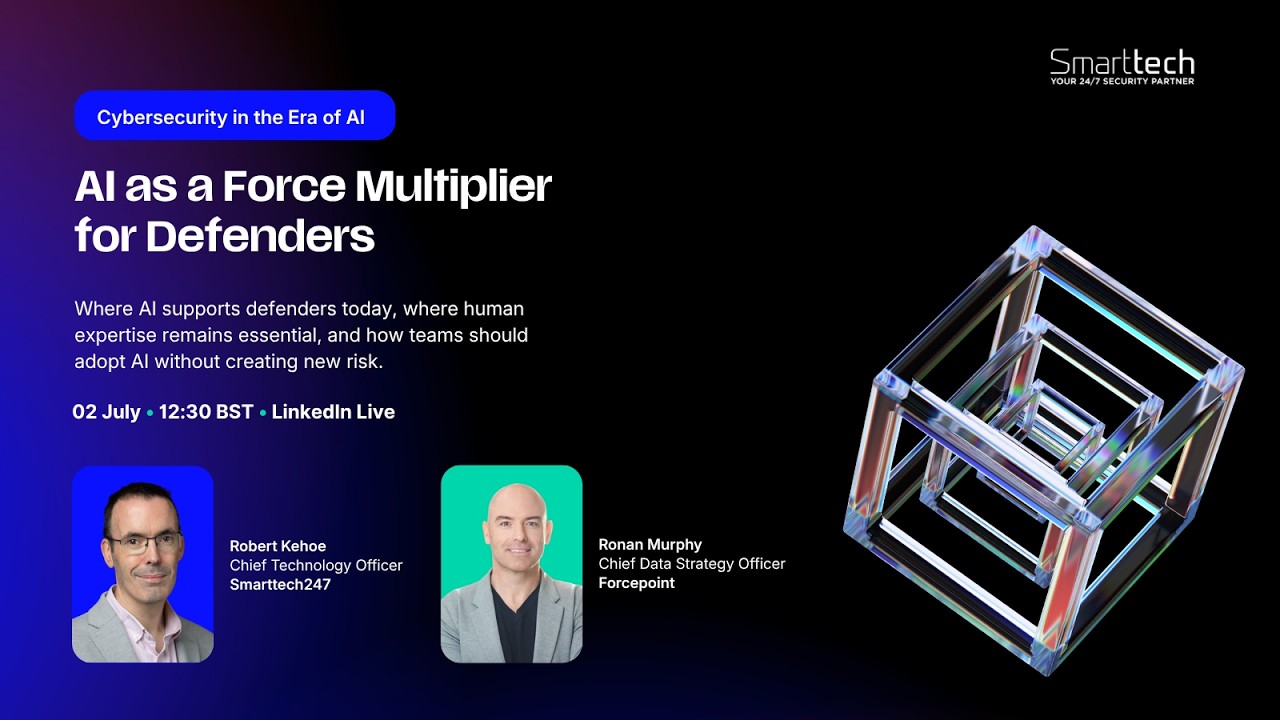
AI as a Force Multiplier for Defenders
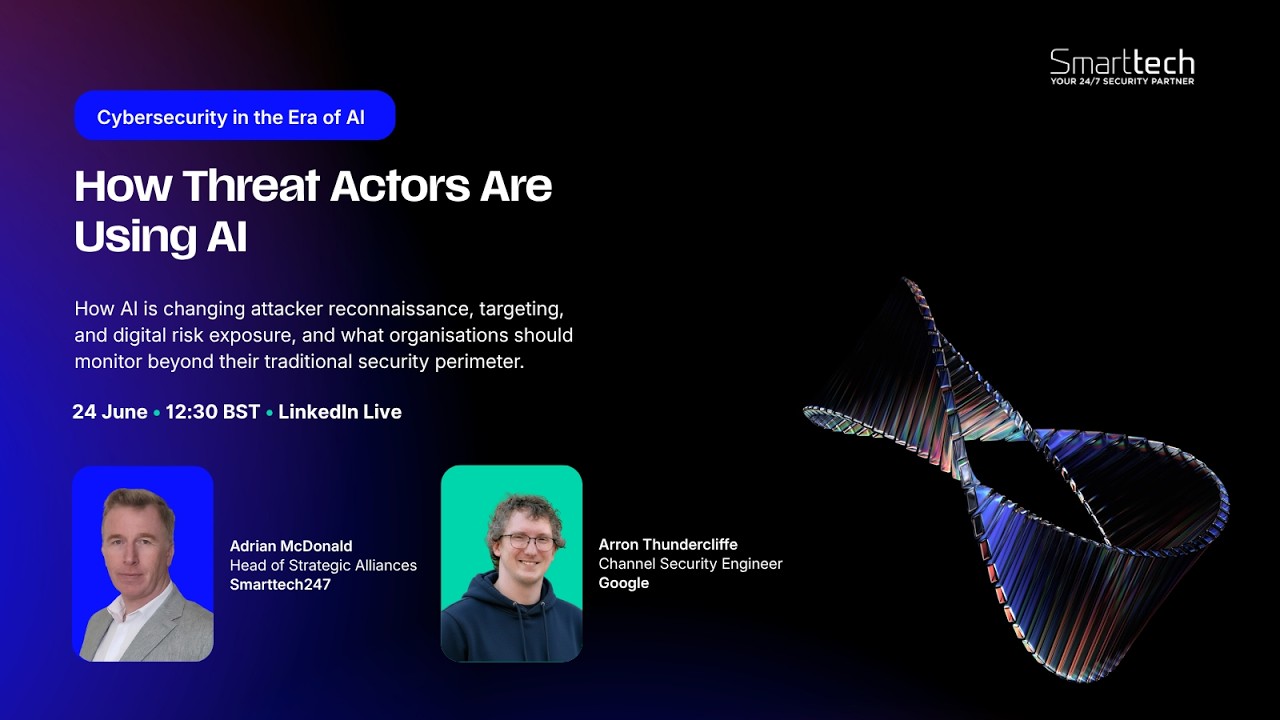
How Threat Actors Are Using AI
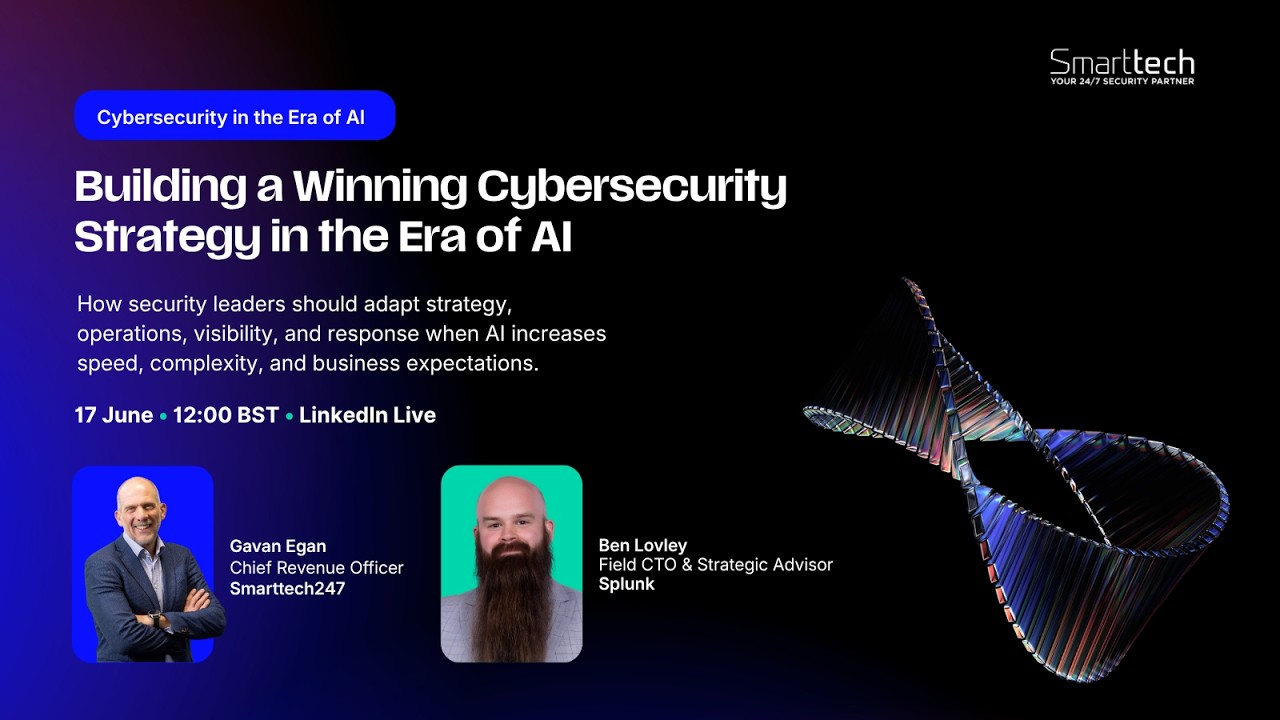
Building a Winning Cybersecurity Strategy
Ready to scale your security and compliance operations?
We protect your on-premise/cloud/OT environments - 24x7x365