

HSE Ransomware Attack and the Future of Cybersecurity in Ireland



External Speakers

Jonathan Healy
.png)

Mark Brosnan


Donna Creaven


Pat Lordan
.png)
Key Strategic Takeaways
Modern ransomware attacks are designed not just to encrypt systems but to steal data and disrupt critical services. The HSE incident showed that operational paralysis, not just data loss, is now the primary leverage attackers use. Organisations must prepare for both service disruption and data exposure, not treat ransomware as a purely technical issue.
Eliminating cyber risk is unrealistic, especially in complex, resource-constrained environments. The focus must shift to reducing impact, improving response readiness, and recovering operations quickly when incidents occur.Preparedness, including tested response plans and resilient infrastructure, determines whether an attack becomes a crisis.
Traditional compliance approaches often fail to reflect real security capability. Maturity models provide a structured way to assess, benchmark, and improve cybersecurity over time without expecting instant perfection. This creates accountability and gives leadership a clearer basis for investment and prioritisation decisions.
Stolen data continues to fuel fraud long after an initial breach, with phishing, vishing, and financial scams targeting both organisations and individuals. Many attacks still begin with simple human errors rather than advanced exploits. Continuous user awareness, verification processes, and basic security hygiene remain critical defensive controls.
Third-party providers and interconnected systems can act as entry points or amplifiers for attacks. The HSE incident highlighted that outsourcing services does not remove accountability for security outcomes. Strong vendor governance, clear standards, and ongoing monitoring are essential to reduce systemic risk.
- 00:00 Intro + HSE attack context
- 01:04 Impact of ransomware (double extortion explained)
- 03:06 Public awareness + human vulnerability
- 04:06 Cybersecurity must be “built-in,” not bolted on
- 06:26 Expert panel introduced
- 06:52 Technology + frameworks discussion (AI, maturity models)
- 09:54 Organisational responsibility + culture
- 13:02 Law enforcement perspective (organised crime networks)
- 16:02 Cybersecurity as an ongoing process (not a one-off fix)
- 17:05 Maturity models (progress over perfection)
- 20:48 Compliance vs real security debate
- 24:01 Human factor + training importance
- 27:04 Need for measurable cybersecurity standards
- 29:10 “Cyber hygiene” + individual responsibility
- 34:10 Public awareness impact post-HSE attack
- 38:20 Surge in attacks + ransomware economics
- 40:26 Myth: attacks only hit outdated systems
- 44:23 Future outlook + inevitability of more attacks
- 48:27 Immediate actions for organisations
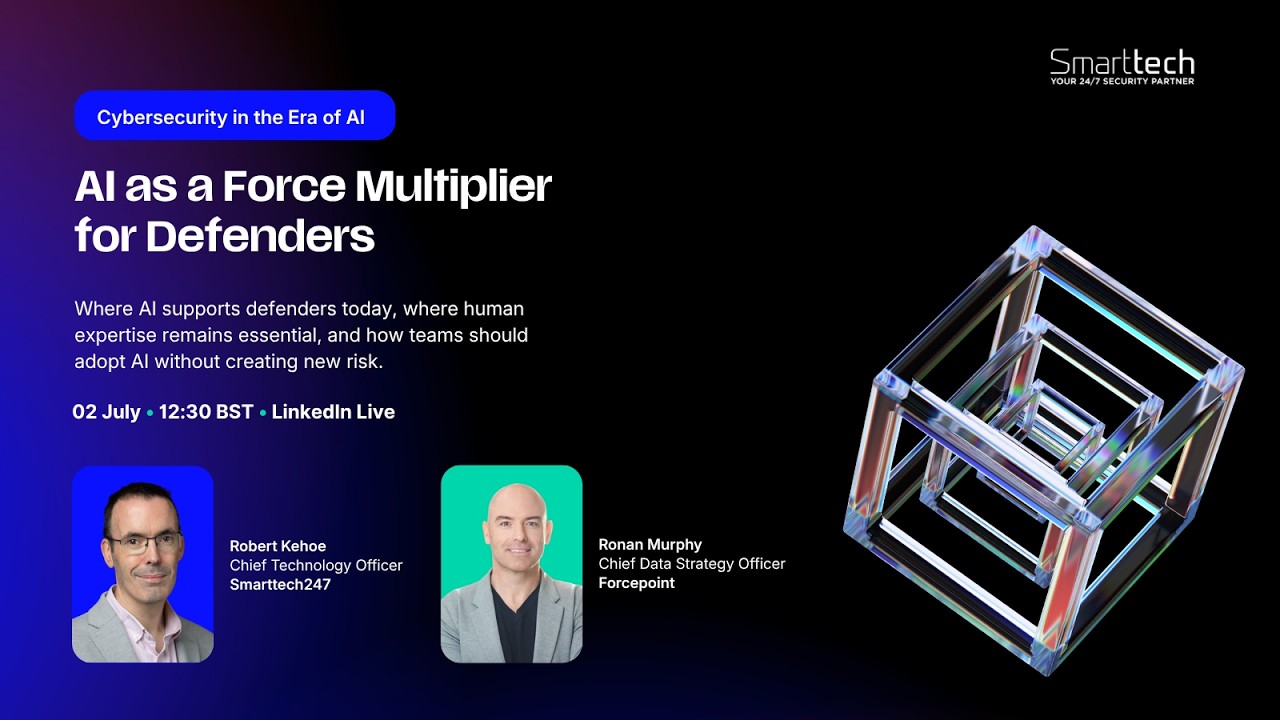
AI as a Force Multiplier for Defenders
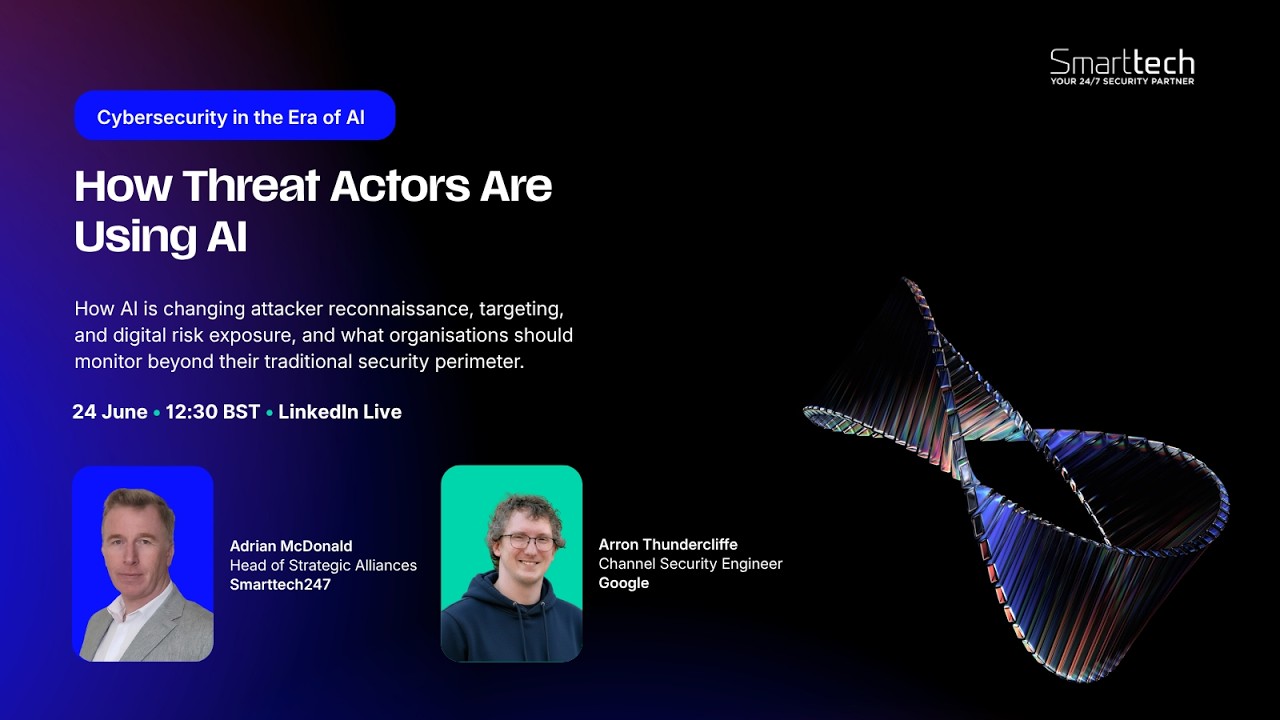
How Threat Actors Are Using AI
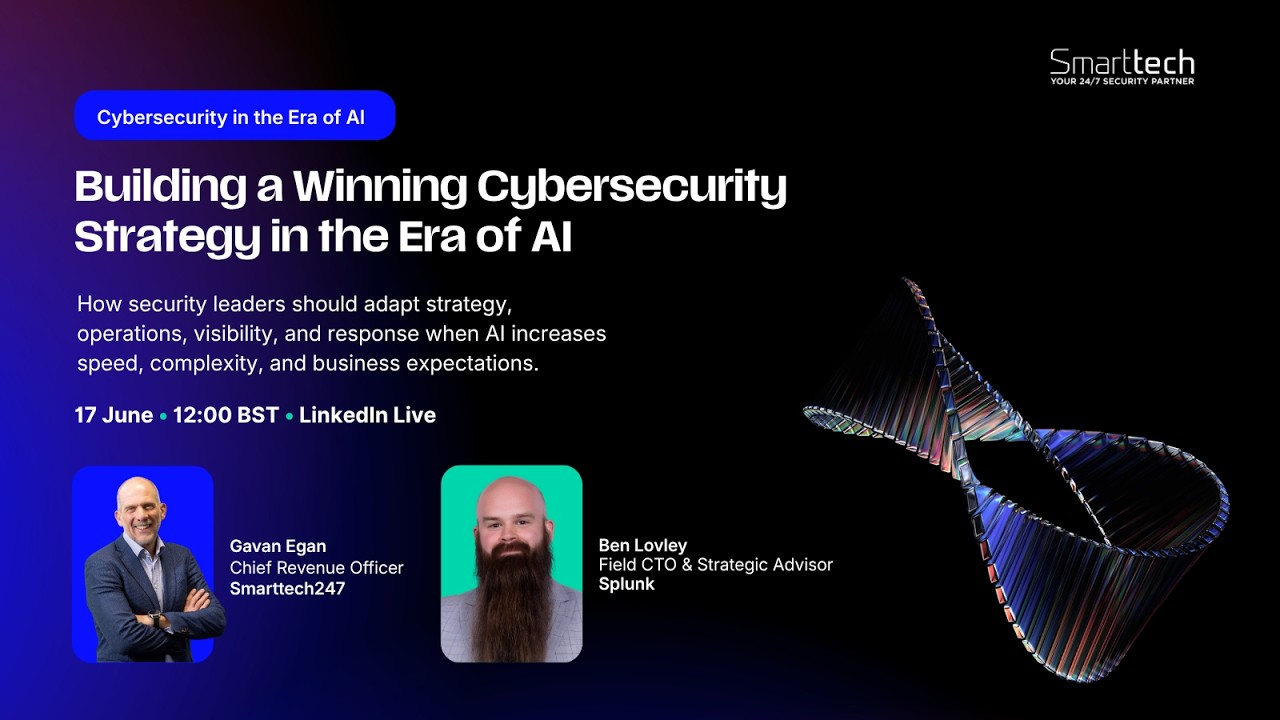
Building a Winning Cybersecurity Strategy
Ready to scale your security and compliance operations?
We protect your on-premise/cloud/OT environments - 24x7x365