

The Impact of AI on Cybersecurity Webinar



External Speakers

Brian Kinane

Key Strategic Takeaways
AI is lowering the cost and skill required to launch attacks, enabling automated phishing, vulnerability discovery, malware generation, and large-scale social engineering. What once required expertise can now be executed with speed and precision by less sophisticated actors. Defenders must assume attacks are faster, more frequent, and increasingly automated, not isolated or manual.
There is no “fixed” security state, organisations are in constant competition with attackers who evolve their methods continuously. Most breaches still stem from weak fundamentals rather than advanced techniques, meaning baseline controls remain critical. Success depends on being harder to exploit than comparable targets, not on achieving perfect security.
AI cannot design security architecture, validate complex decisions, or adapt strategy in uncertain scenarios. Human oversight is essential for model training, governance, and interpreting outputs, especially when consequences are high. The role of security professionals is shifting toward oversight, strategy, and system design rather than manual analysis.
Large, general-purpose AI models are expensive and difficult to operationalise, while domain-specific models can solve targeted security problems like data classification and threat detection more effectively. These models create competitive advantage through proprietary data, tuning, and real-world deployment experience. Organisations should prioritise focused, outcome-driven AI use cases that deliver measurable impact rather than broad, unfocused adoption.
- 00:00 Intro + guest background (Ronan Murphy)
- 01:50 Is cybersecurity overhyped / crowded market?
- 02:49 Cybersecurity explained (multi-discipline “house” analogy)
- 04:10 Key industry challenges (attacks, tech sprawl, skills gap)
- 06:18 SME vs enterprise cybersecurity challenges
- 07:30 Will budgets get cut in a downturn? (answer: no)
- 09:18 Regulation driving cybersecurity spend
- 11:17 AI as a cyber threat (automation of attacks)
- 12:58 Real-world attack scenarios using AI
- 14:54 Cybersecurity = ongoing battle, no silver bullet
- 15:49 “Bear analogy” (just be harder to attack than others)
- 18:18 Cybercrime economy (dark web marketplaces)
- 19:45 AI evolution and narrow vs large models
- 21:40 Narrow AI vs human teams (scale advantage)
- 23:43 Human role in AI-driven security
- 26:15 Future jobs + AI impact on skills gap
- 29:23 Investment outlook in AI cybersecurity
- 33:10 Moats in AI companies (data, expertise, models)
- 38:22 Real-world enterprise wins + data-driven advantage
- 41:49 Getvisibility + narrow AI use case (data classification)
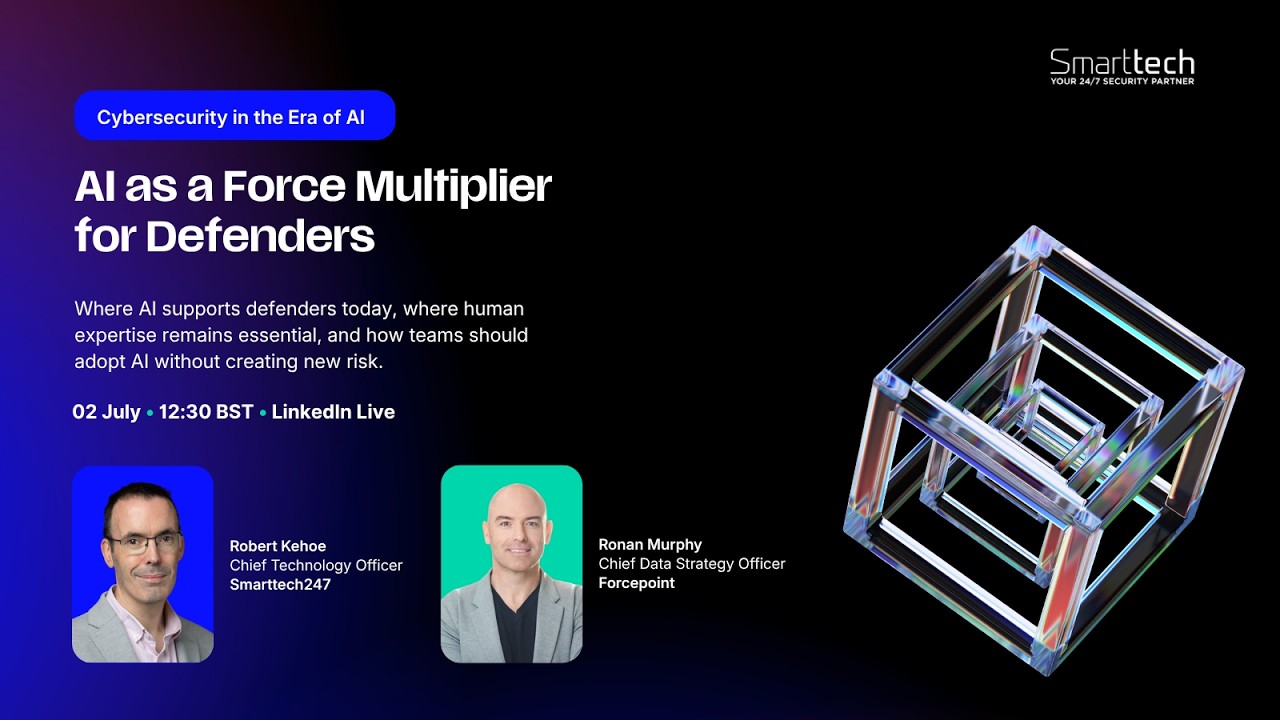
AI as a Force Multiplier for Defenders
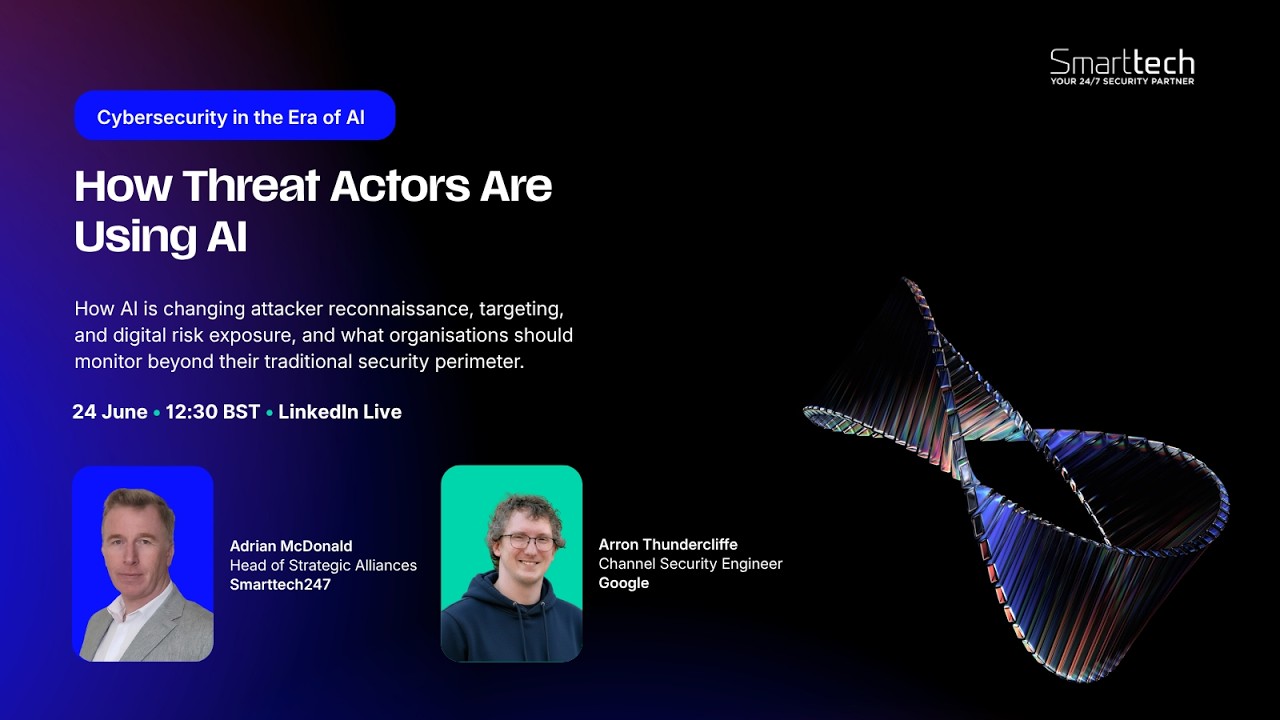
How Threat Actors Are Using AI
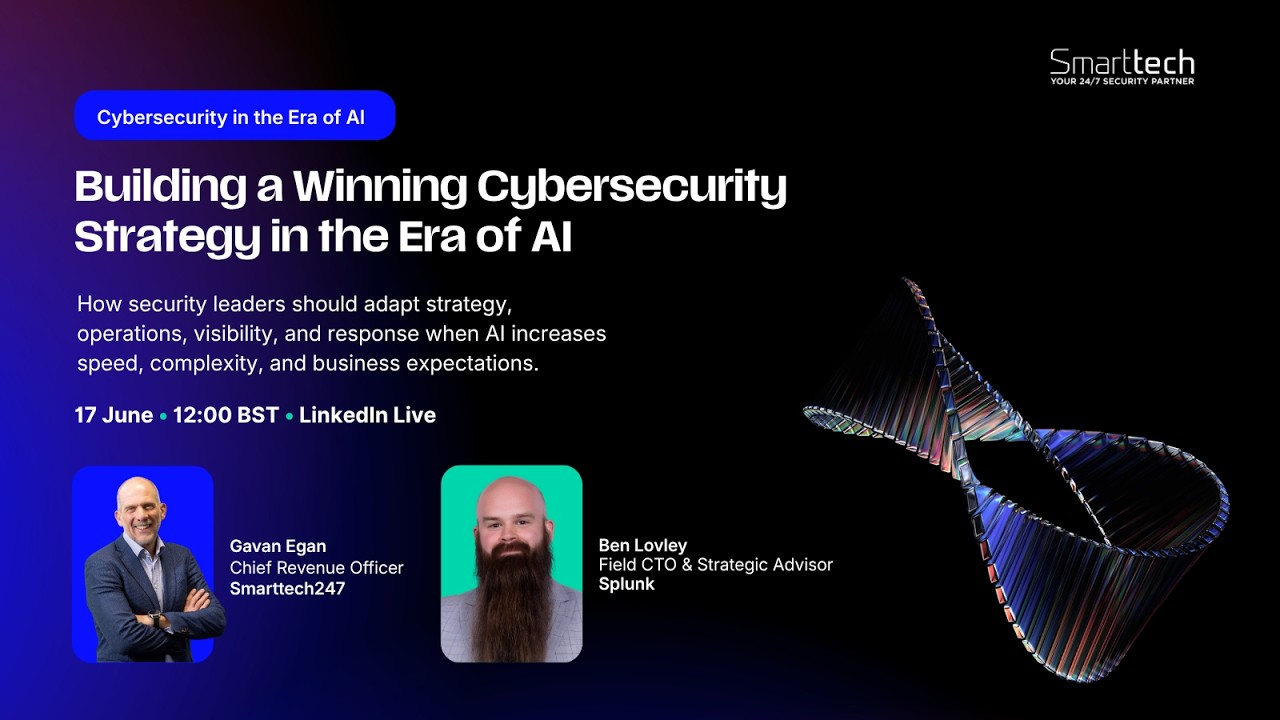
Building a Winning Cybersecurity Strategy
Ready to scale your security and compliance operations?
We protect your on-premise/cloud/OT environments - 24x7x365