

Seasonal Cybersecurity Risks for Education Webinar



.png)
External Speakers
Key Strategic Takeaways
Despite increased cybersecurity investment, around 65% of educational institutions still face significant security gaps driven by limited resources, staffing shortages, and complex environments. High-value data combined with legacy infrastructure and decentralised networks keeps education firmly in attackers’ crosshairs, with ransomware and phishing leading the charge. Closing this gap requires prioritising visibility, modernising critical systems where possible, and aligning investment to the areas of highest risk rather than spreading resources thinly.
Attackers are increasingly exploiting human behaviour through phishing and social engineering, making identity the most critical attack surface in education. Even with strong tooling, compromised credentials and user error remain the most common entry points into environments. Organisations must strengthen identity controls, enforce least privilege, and invest consistently in security awareness to reduce avoidable risk at scale.
Security teams in education are under constant strain, managing large, distributed environments with limited personnel while being held accountable for incidents that impact operations and reputation. This pressure reduces the ability to respond effectively and increases the likelihood of gaps being missed. Leading institutions are addressing this by augmenting internal teams with MDR and SOC services, enabling continuous monitoring and faster, more consistent incident response.
Cybersecurity is moving from a compliance exercise to a measurable business risk, driven by regulation and increased board engagement. CISOs are now expected to present real-time metrics, translate technical issues into business impact, and justify investment through risk reduction. Adopting a risk-based approach allows organisations to prioritise effectively, align with frameworks like GDPR and NIS2, and make more strategic security decisions.
Many institutions continue to struggle with legacy systems, unmanaged devices, and budget constraints, making large-scale transformation unrealistic. However, meaningful progress is still achievable through focused, incremental improvements.Priorities should include security awareness, external support where needed, and continuous risk assessment to build a sustainable, evolving security posture over time.

- 00:00 Introduction to cybersecurity in the education sector
- 01:15 Education threat landscape and why attackers keep targeting schools
- 03:00 Phishing, ransomware, and legacy systems in education
- 04:20 The pressure and burnout facing IT and security teams
- 05:28 How leading institutions are improving their cyber posture
- 06:44 Modernising identity, endpoints, cloud, and 24/7 monitoring
- 08:08 Regulation, board pressure, and faster security adoption
- 10:16 The shift from compliance checklists to risk-based security
- 13:00 The biggest security gaps for schools and universities
- 15:17 Why security awareness remains a critical defence
- 16:30 What education CISOs need to report to boards
- 22:14 Three cybersecurity priorities for smaller education providers
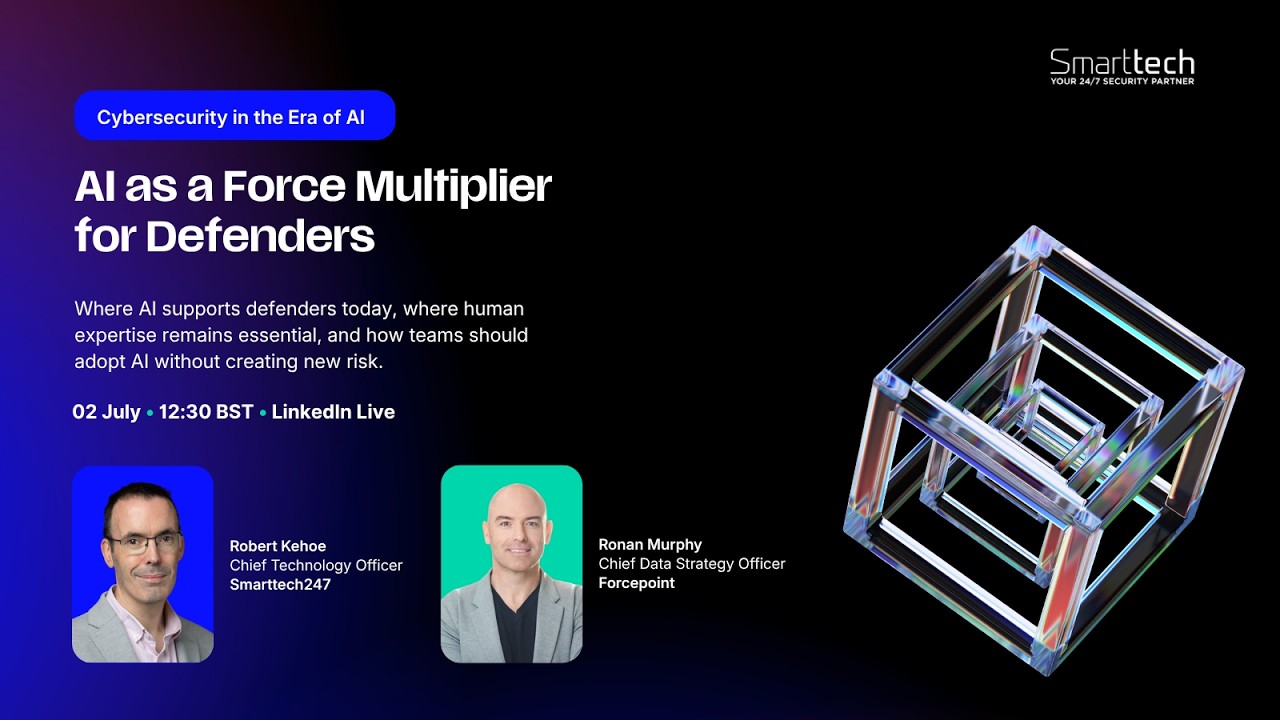
AI as a Force Multiplier for Defenders
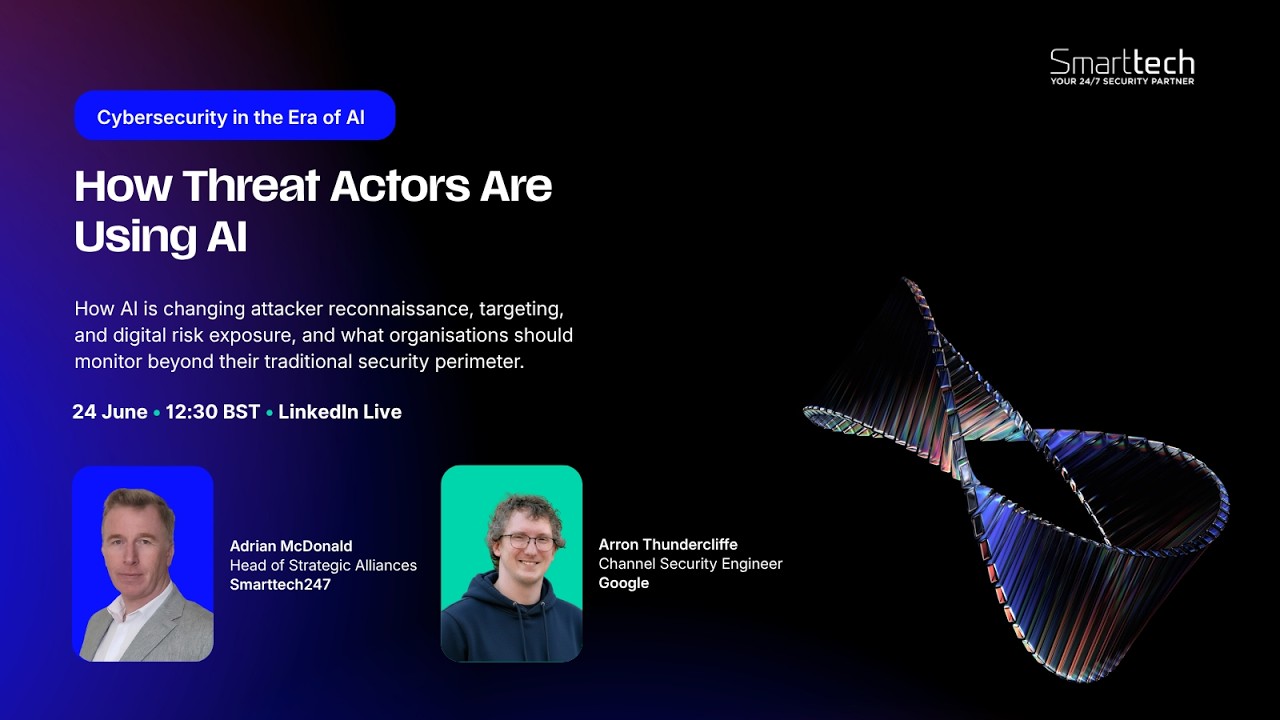
How Threat Actors Are Using AI
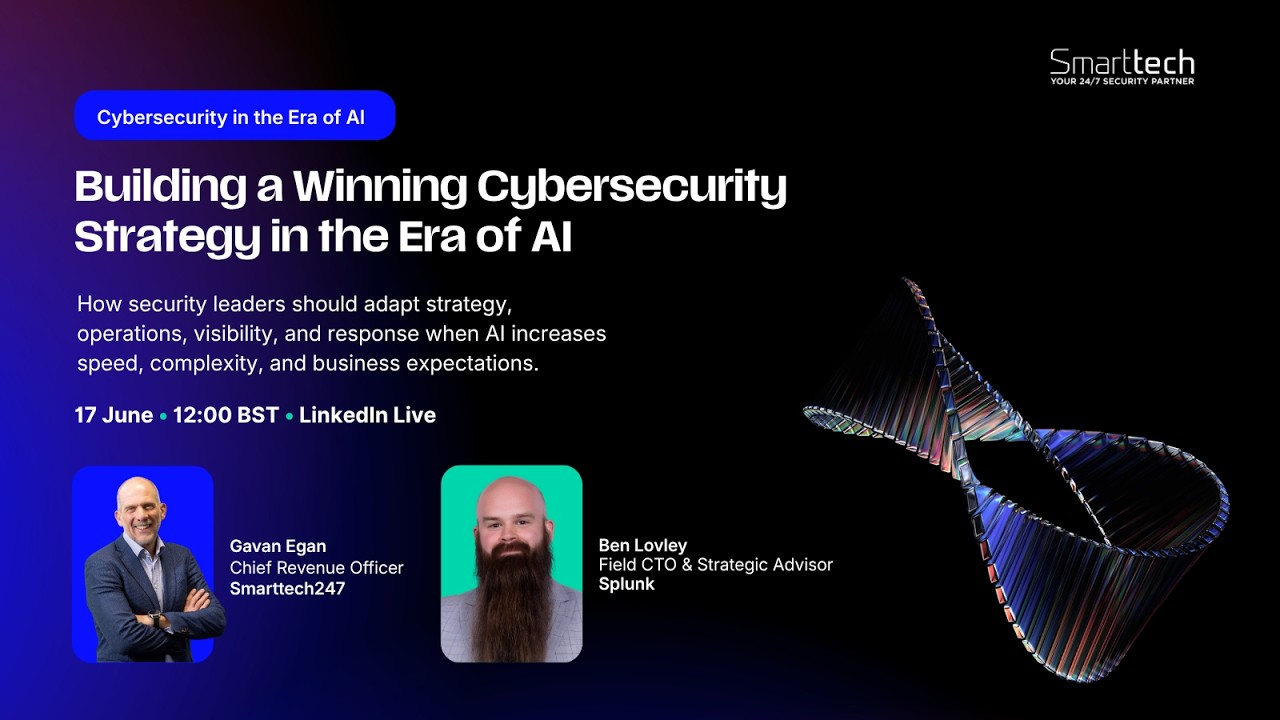
Building a Winning Cybersecurity Strategy
Ready to scale your security and compliance operations?
We protect your on-premise/cloud/OT environments - 24x7x365