

Complete NIS2 Compliance Requirements Webinar


.png)
External Speakers
Key Strategic Takeaways
NIS2 is a direct response to large-scale cyber incidents that exposed how a single attack can disrupt national services and even impact economic stability. The regulation is designed to improve resilience across critical sectors and reduce systemic risk across the EU.
A major challenge under NIS2 is securing Operational Technology environments. Many organisations lack visibility and control over OT, and the integration with IT introduces new risks. Understanding connection points, governance, and incident response across both environments is now essential.
Supply chain security is one of the most complex areas under NIS2. Organisations must ensure that supplier controls align with their own and that contracts support incident response. Gaps in visibility, access to logs, and unclear responsibilities can significantly delay response and containment.
Identity is increasingly the primary entry point for attackers. Credential theft, token abuse, and social engineering are driving major breaches. While not explicitly called out in NIS2, identity controls such as access management, MFA, and user behaviour monitoring are critical to meeting its requirements.
Organisations need to confirm whether they are in scope, understand their classification (important vs essential entity), and align with national guidance. Immediate focus areas include supply chain management, documentation, and ensuring incident notification processes are defined, tested, and understood.
NIS2 introduces strict reporting timelines, including early warning notifications within 24 hours, initial reports within 72 hours, and full reports within a month. Organisations must be prepared to gather, validate, and communicate information quickly under pressure.
NIS2 should not be treated as a checkbox exercise. It provides an opportunity to improve overall risk management, strengthen governance, and align security practices across IT, OT, and third-party environments. Effective preparation requires testing, baseline assessments, and executive-level engagement.
- 00:00 Introduction to NIS2 and session overview
- 01:08 Why NIS2 exists: major cyber incidents and systemic risk
- 02:45 Real-world impact: economic and supply chain disruption
- 04:02 Market trends: OT security and identity challenges
- 05:12 IT/OT integration and governance complexities
- 06:34 Supplier risk and real-world incident response gaps
- 08:32 Identity threats: credential theft and modern attack patterns
- 10:36 CISO priorities and regulatory readiness questions
- 12:12 Key focus areas: supply chain and documentation
- 14:20 Incident reporting timelines and expectations
- 15:46 How organisations are preparing for NIS2
- 18:05 Tabletop exercises and stakeholder alignment
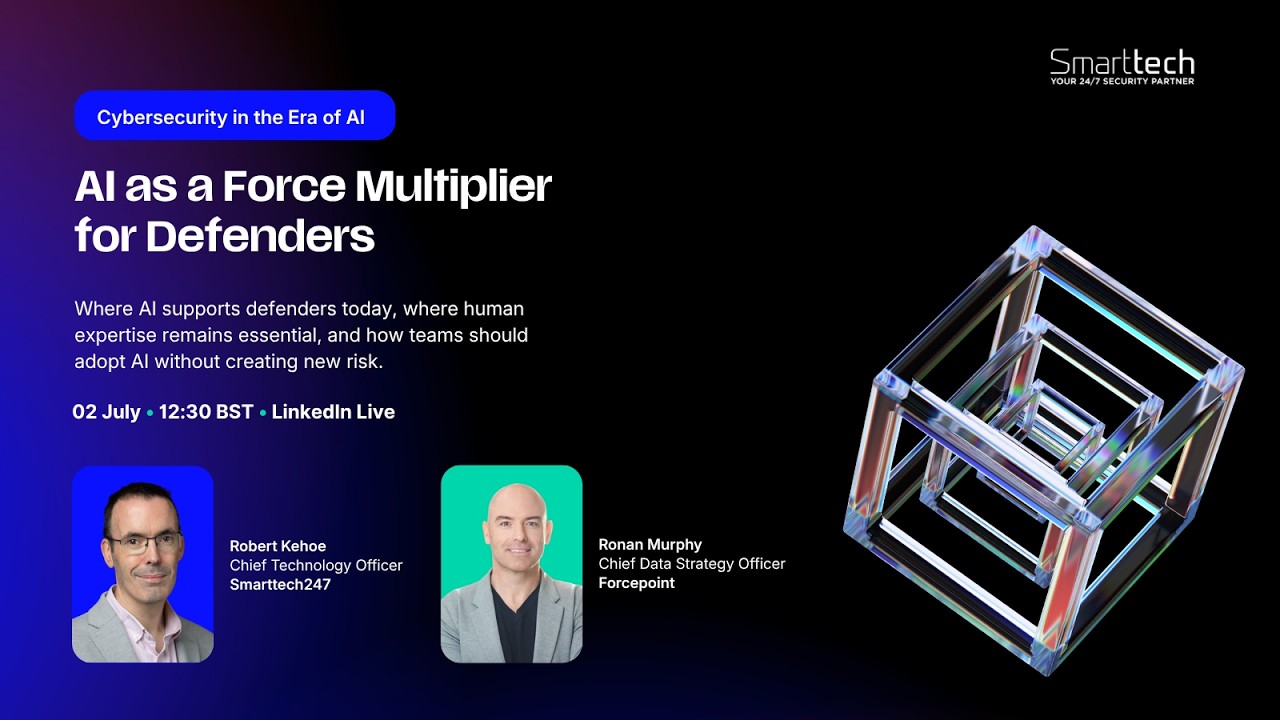
AI as a Force Multiplier for Defenders
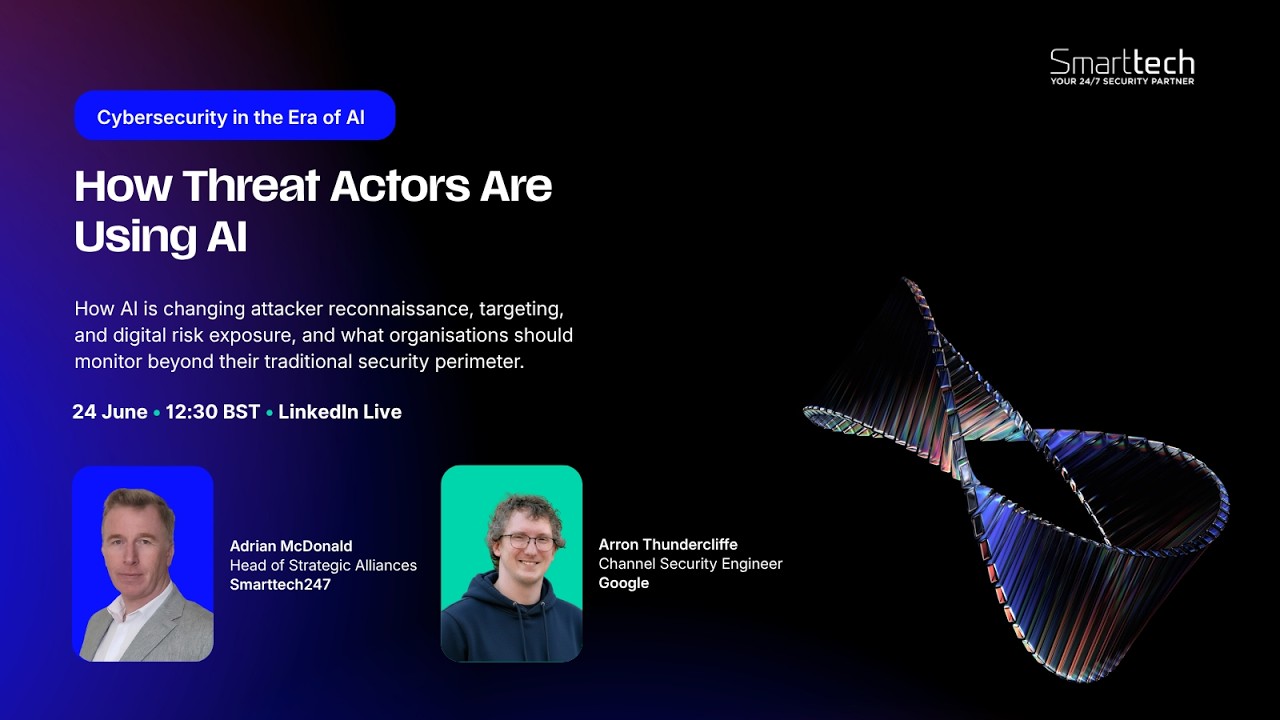
How Threat Actors Are Using AI
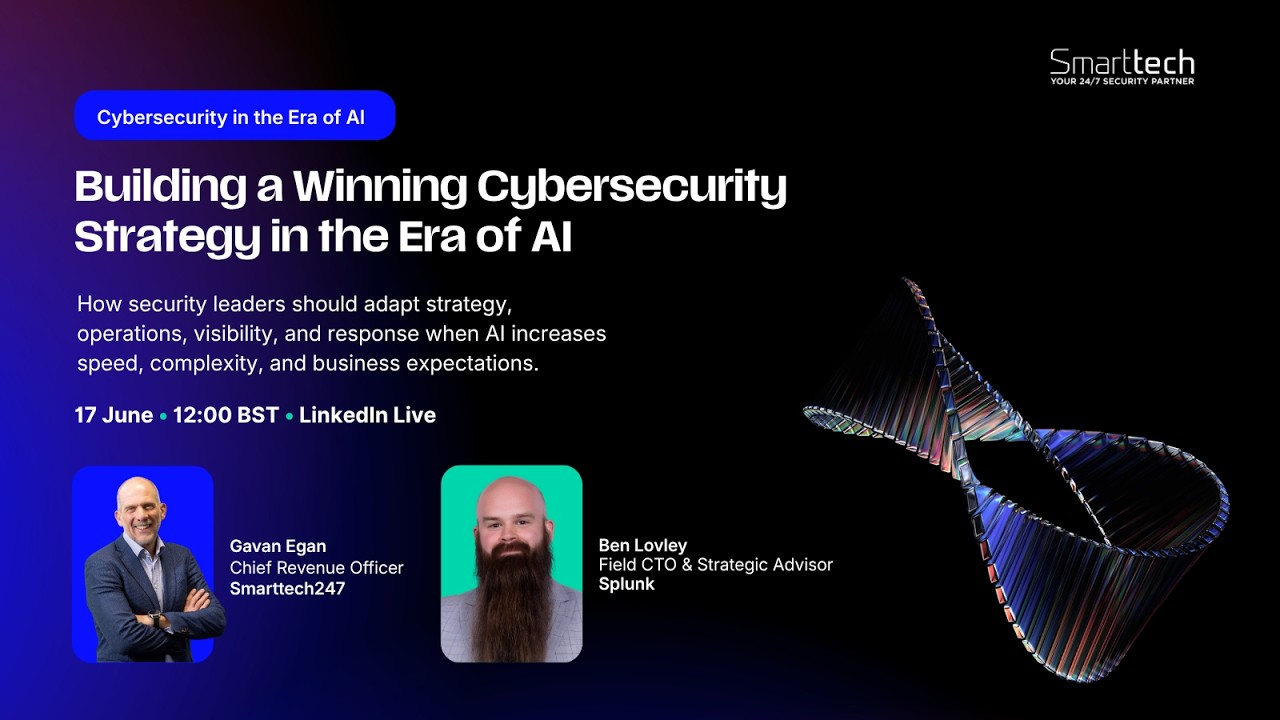
Building a Winning Cybersecurity Strategy
Ready to scale your security and compliance operations?
We protect your on-premise/cloud/OT environments - 24x7x365