

ISO 27001 Compliance in Practice Webinar




External Speakers
Key Strategic Takeaways
A central theme of the discussion was the difference between achieving ISO 27001 certification and building genuine cybersecurity maturity. The panel explained that ISO 27001 is designed to confirm that key controls, governance structures, and risk-based processes are in place, but it does not automatically prove that those controls are effective, well-optimised, or materially improving security outcomes. An organisation can be certified and still have significant weaknesses in how its tools and controls are configured, monitored, or maintained.
The session highlighted how common it is for companies to meet compliance requirements on paper while remaining insecure in practice. A clear example discussed was data security tooling such as DLP or DSPM. Organisations may have purchased and deployed the right tools, but if policies are incomplete, coverage is inconsistent, or controls are not tuned to the main risk channels, the security benefit remains limited. The point was simple: having the tool is not the same as using it effectively.
The panel described ISO 27001 as a powerful but broad framework that can support organisations of very different sizes and sectors. That flexibility is one of its strengths, but it also creates challenges. Many organisations struggle to understand which controls are truly applicable to their business and how to justify exclusions correctly in the statement of applicability. Without experienced guidance, teams can spend time implementing unnecessary controls or creating process overhead that does little to improve real security.
A key takeaway from the audit discussion was that auditors are increasingly testing more than documentation. They want to see evidence that decisions are justified, controls are effective over time, and ownership is clearly assigned. Risk treatment choices without rationale, access reviews without traceable proof, and vulnerability reports without remediation tracking all raise concern. The panel stressed that recurring evidence, named control owners, defined review frequencies, and structured recordkeeping are essential if organisations want to avoid audit friction.
The discussion also addressed whether ISO 27001 can keep up with newer security challenges such as ransomware, supply chain attacks, and AI-related risk. The view shared was that while the standard does not always refer to emerging technologies directly, many of its existing control requirements are broad enough to cover them. The challenge is interpretation. Applying the standard effectively to modern threats depends heavily on experienced consultants and auditors who understand both the controls and the technologies being assessed.
The panel emphasised that ISO 27001 becomes most valuable when it is treated as more than a certification exercise. For growing organisations in particular, it can provide a structured way to professionalise security, identify control gaps, and create a repeatable framework for decision-making. Because the standard begins with risks, objectives, and opportunities, it also helps build stronger business cases for investment. In that sense, ISO 27001 can become a strategic asset that supports scale, governance, and long-term resilience, not just audit readiness.
- 00:00 Introduction and speaker introductions
- 01:12 ISO 27001 compliance vs real security maturity
- 02:24 What ISO 27001 actually measures (and what it doesn’t)
- 04:06 Why certified organisations can still be insecure
- 06:06 Where ISO 27001 struggles and how to close the gaps
- 08:35 What auditors really probe during ISO audits
- 10:54 Best practices for evidence, ownership, and control reviews
- 11:33 ISO 27001 vs modern threats: ransomware, supply chain, AI
- 13:31 Flexibility in ISO 27001: strength or weakness?
- 15:57 When ISO 27001 becomes a strategic asset
- 20:06 Smarttech247’s ISO 27001 implementation approach
- 25:24 Final insights and closing remarks
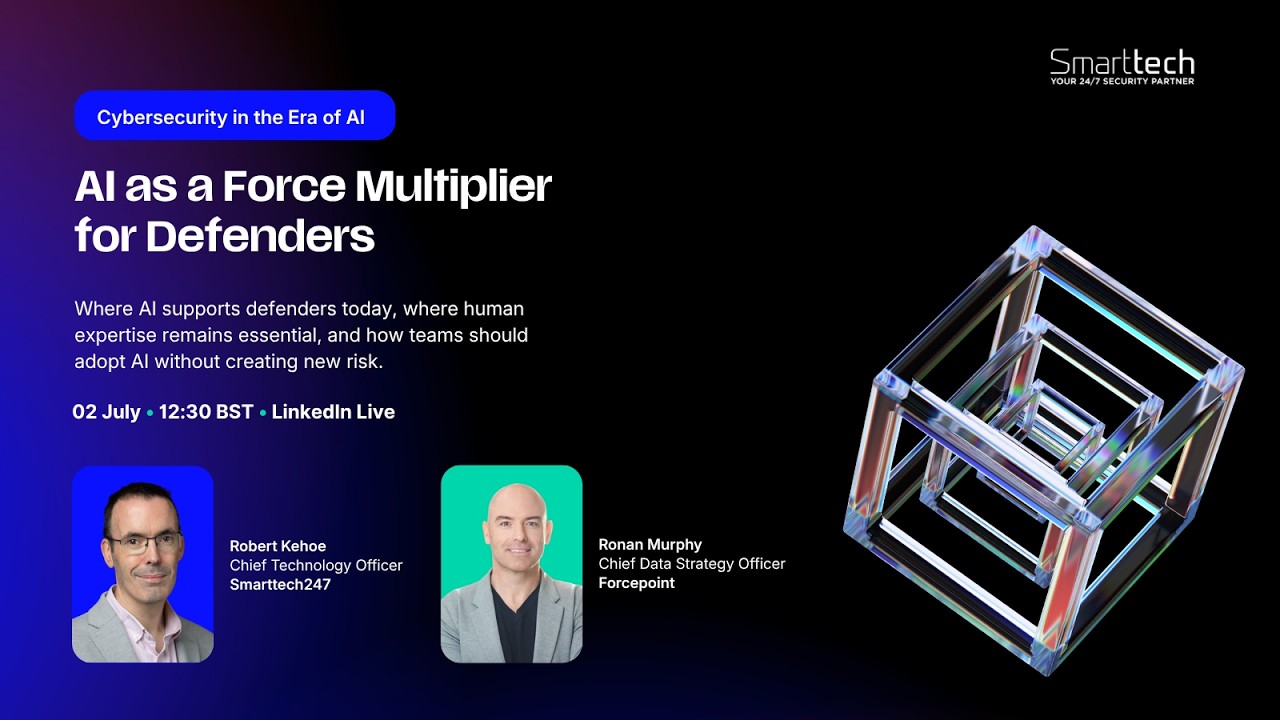
AI as a Force Multiplier for Defenders
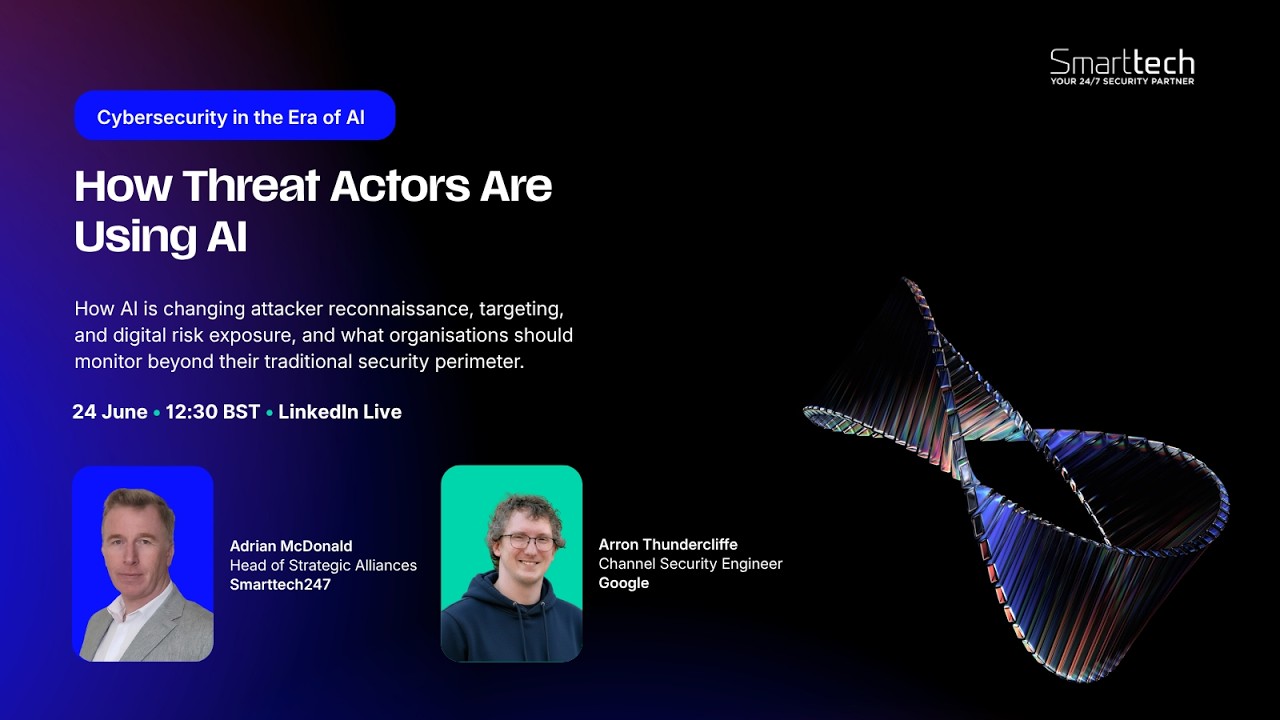
How Threat Actors Are Using AI
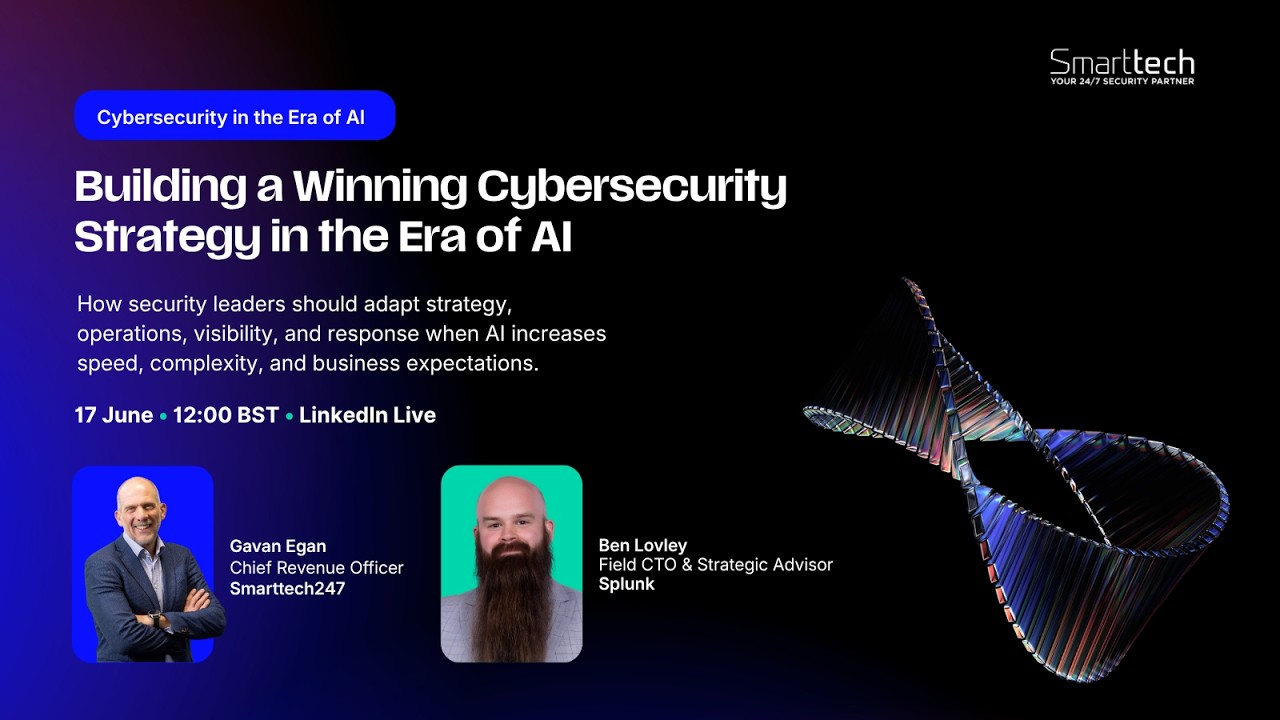
Building a Winning Cybersecurity Strategy
Ready to scale your security and compliance operations?
We protect your on-premise/cloud/OT environments - 24x7x365