

Cyber Resilience Act Compliance Webinar


In-House Specialists


External Speakers
Key Strategic Takeaways
The EU Cyber Resilience Act applies to any product with digital elements, including hardware and software components. It impacts manufacturers, importers, and distributors, including non-EU organisations selling into the EU. The regulation focuses on products rather than services, introducing direct accountability for the security of what is built and shipped.
CRA moves away from periodic, audit-driven compliance toward continuous operational security. Organisations must demonstrate that controls are not only in place but actively functioning, repeatable, and measurable over time. Evidence, traceability, and real-world execution are now central requirements.
Security responsibility extends across the entire product lifecycle, from development through to end-of-life. It is no longer sufficient to secure a product at launch. Vulnerabilities must be continuously monitored, managed, disclosed, and remediated throughout the product’s lifespan.
Many organisations face structural challenges when adapting to CRA, including:
- Unclear ownership of product security
- Disconnected teams across product, security, and operations
- Limited visibility into deployed products
- Fragmented data across multiple tools
- Manual processes that cannot scale
These gaps make it difficult to respond quickly and provide consistent evidence during audits.
Modern software relies heavily on third-party and open-source components. Organisations often lack visibility into indirect dependencies, making it difficult to assess exposure when vulnerabilities emerge. CRA requires the ability to identify affected products quickly and respond with confidence.
Organisations must implement structured, repeatable processes for identifying, assessing, and remediating vulnerabilities. This includes:
- Rapid identification of affected systems
- Testing and validating patches before deployment
- Communicating impact to customers
- Meeting strict regulatory timelines for notification and remediation
Delayed or inconsistent patching approaches are no longer acceptable.
CRA requires organisations to prove how vulnerabilities are handled in practice, with clear records of detection, response, remediation, and ownership. Evidence must be structured, accessible, and audit-ready at all times. This reflects a broader shift from one-time compliance to continuous security, where maintaining and securing products post-launch is as critical as building them.
Effective CRA readiness depends on clear product ownership, centralised risk visibility, and standardised response workflows. Organisations must move away from fragmented tools and manual processes toward integrated, scalable approaches. This also elevates product security to a leadership concern, requiring governance, accountability, and the ability to demonstrate control across the full product lifecycle.
- 00:00 Introduction to the Cyber Resilience Act (CRA)
- 00:24 CRA scope: products with digital elements explained
- 01:32 From compliance to continuous security monitoring
- 02:34 Common organisational gaps and ownership issues
- 03:48 Lifecycle security and post-launch responsibility
- 05:35 Supply chain risk and dependency visibility challenges
- 07:41 Cultural shift: from shipping to maintaining products
- 09:39 Building effective security ownership and processes
- 11:45 Managing third-party vulnerabilities in practice
- 13:03 CRA timelines: notification and remediation expectations
- 14:38 Leadership responsibility and governance impact
- 16:34 Practical steps for CRA readiness
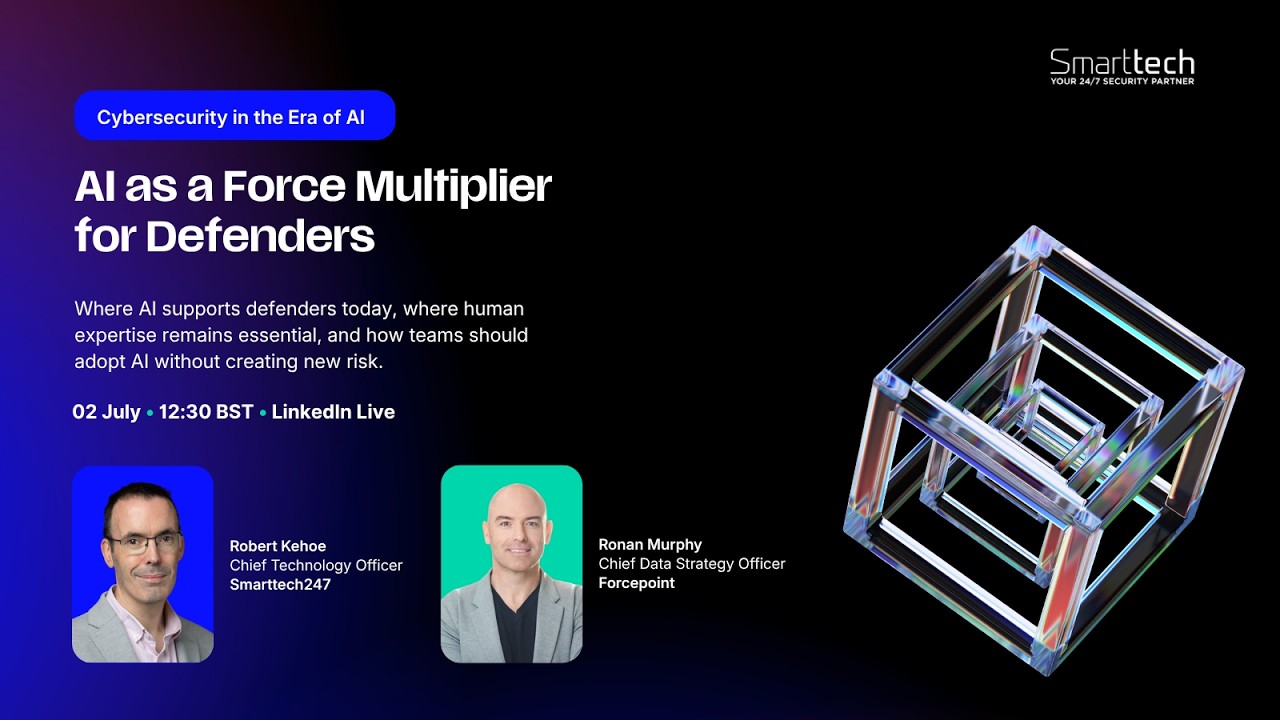
AI as a Force Multiplier for Defenders

How Threat Actors Are Using AI

Building a Winning Cybersecurity Strategy
Ready to scale your security and compliance operations?
We protect your on-premise/cloud/OT environments - 24x7x365