

Minimise the Impact of a Data Breach with Incident Response and Data Recovery Strategies



External Speakers

Mike Kehoe
.png)
Key Strategic Takeaways
Cyberattacks are no longer isolated events but part of a structured, scalable ecosystem driven by organised crime and state actors. Ransomware-as-a-service and phishing-as-a-service have lowered the barrier to entry, increasing both the volume and sophistication of attacks. Organisations must assume they are facing well-resourced, repeatable operations and design defences that account for scale, not just isolated threats.
Most breaches still begin with phishing, now enhanced by automation and the abuse of legitimate platforms to bypass traditional controls. Attackers increasingly rely on users as the final point of failure, making credential compromise a common starting point. Reducing impact depends on strong identity controls, user awareness, and rapid detection of suspicious authentication behaviour.
Once inside, attackers move quickly to establish persistence, escalate privileges, and prepare for data exfiltration or ransomware deployment. The difference between a contained incident and a major breach often comes down to how fast anomalous activity is detected and acted upon. Effective containment requires clear escalation paths, defined roles, and the ability to isolate systems immediately without hesitation.
Organisations often fail not because they lack tools, but because they lack coordination. Unclear ownership, untested response plans, and weak collaboration between security, legal, and leadership teams slow down response during critical moments. Minimising impact depends on rehearsed incident response, cross-functional alignment, and predefined workflows that work under pressure.
Security is not static, and treating it as a compliance exercise leads to gradual exposure. Organisations that continuously monitor behaviour, hunt for threats, and prioritise vulnerabilities based on real risk are better positioned to detect and stop attacks early. Building resilience means evolving controls, improving visibility, and using threat intelligence proactively to reduce the likelihood and impact of breaches.
- 00:08 Introduction to incident response and data recovery strategies
- 01:59 Evolution of cybercrime into organised, industrialised operations
- 03:57 Rise of phishing-as-a-service and the importance of user awareness
- 06:06 Automated attacks and how attackers escalate after initial access
- 07:39 Defence-in-depth and why layered security is critical
- 09:53 Real-world incident response challenges after credential compromise
- 13:07 “Left of boom” vs “right of boom” and regulatory pressure (72-hour rule)
- 15:49 Importance of preparation, zero trust, and incident response rehearsals
- 18:07 Why organisations fail during breaches due to lack of planning
- 22:18 Real incident example: credential compromise and successful containment
- 27:04 Speed of attack execution and need for rapid response capability
- 31:20 Continuous improvement and adapting to evolving threats
- 34:23 Dark web access markets and internal foothold risks
- 36:48 Threat intelligence and proactive detection of “indicators of concern”
- 38:31 Why large organisations still fail despite heavy cyber investment
- 42:21 Best practices: threat hunting, vulnerability prioritisation, and monitoring
- 44:32 Embedding cybersecurity into business strategy, not as an afterthought
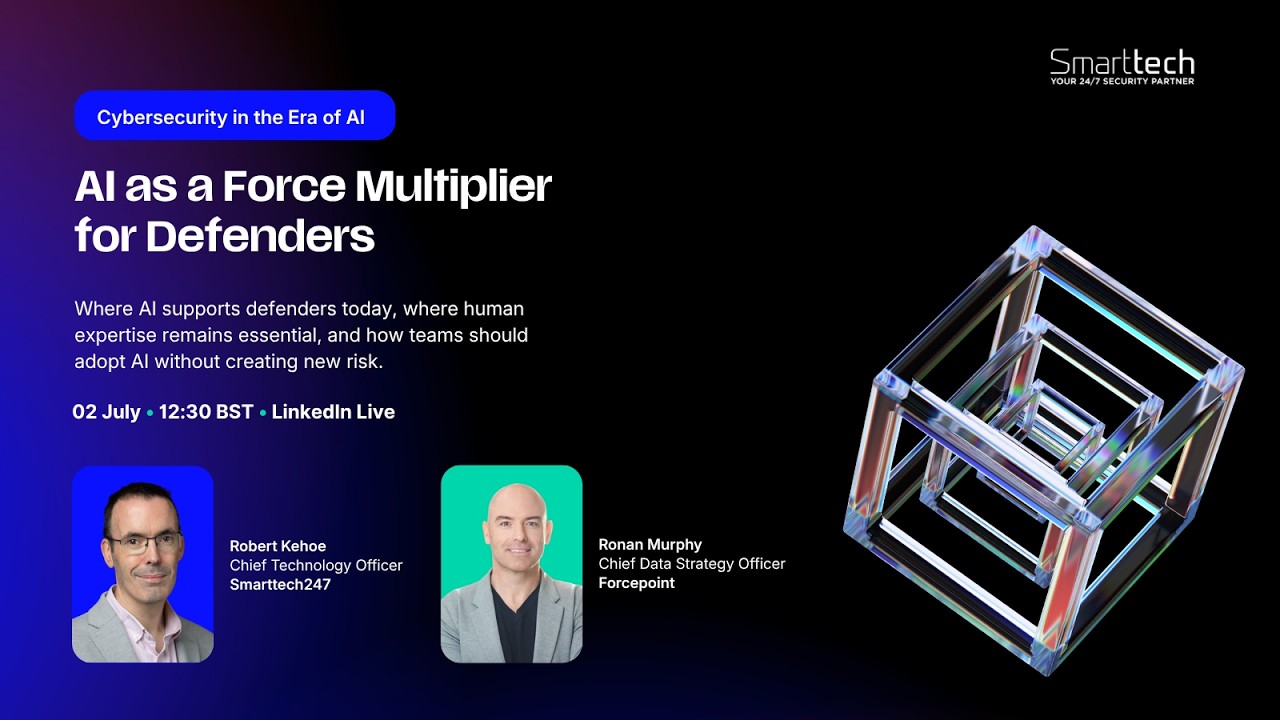
AI as a Force Multiplier for Defenders
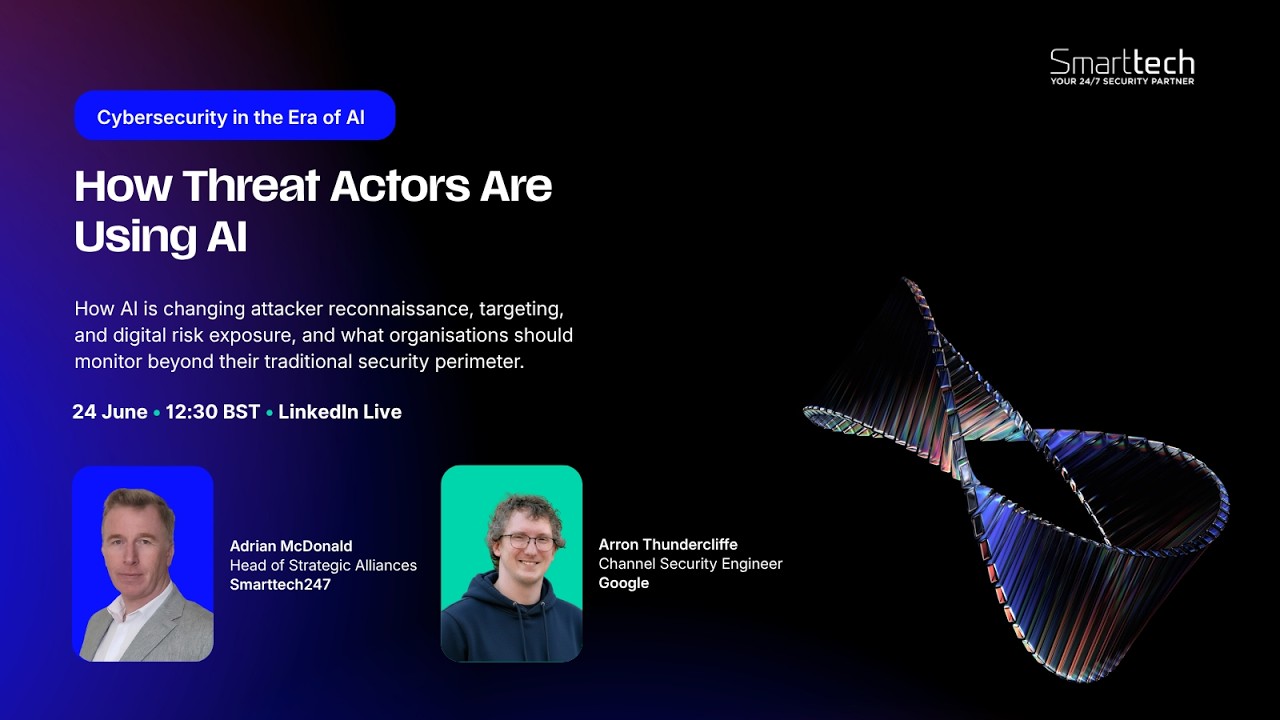
How Threat Actors Are Using AI
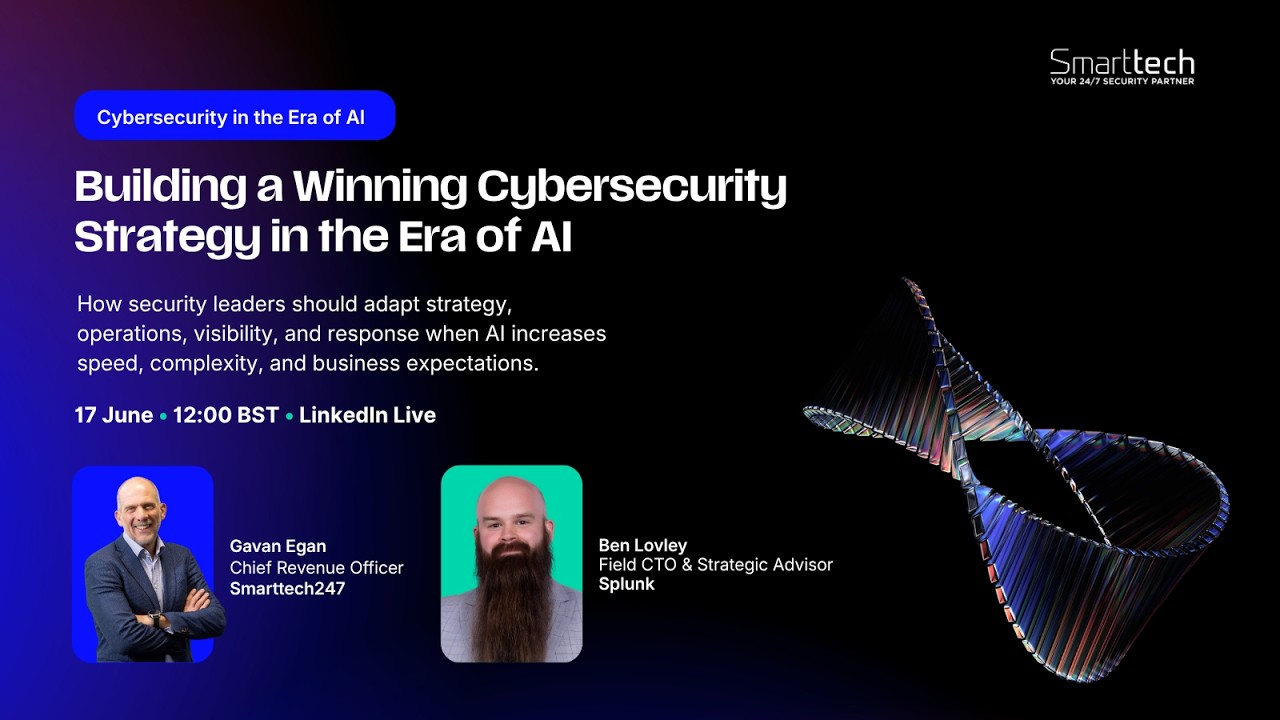
Building a Winning Cybersecurity Strategy
Ready to scale your security and compliance operations?
We protect your on-premise/cloud/OT environments - 24x7x365