

Enhancing Data Security in Higher Education Institutions Webinar



External Speakers

Justin Doyle
.png)

Gerard Culley
.png)
Key Strategic Takeaways
Higher education environments combine functions of government, enterprise, and research institutions, creating a broad attack surface with diverse data types and users. This makes them attractive not just for financial crime, but also for experimentation by attackers refining techniques across varied systems. Security strategies must accept this complexity and focus on managing risk across heterogeneous environments rather than trying to standardise everything.
Universities cannot apply strict controls universally without disrupting teaching and research, especially in BYOD-heavy environments. A zoning model, separating highly controlled “red zones” from more flexible “green zones”, allows institutions to protect sensitive data while preserving academic freedom. Effective segmentation, combined with identity controls and device trust, enables both security and usability without forcing a compromise between them.
Institutions face constant threats including phishing, credential harvesting, invoice fraud, and exploitation of vulnerable web systems. Many attacks are automated at scale, with human operators stepping in once access is established, making early detection critical. Defence requires continuous monitoring, rapid response to anomalies, and strong identity protection to reduce the likelihood of initial compromise.
Regulatory pressure and real-world incidents are pushing universities toward shared accountability models, where data protection, IT, leadership, and departments all play a role. Initiatives like embedded “data champions” help distribute responsibility and align security practices with daily operations. Building a strong security posture depends as much on governance and culture as on technical controls.
Modern cyber incidents can render systems unusable for extended periods, making traditional disaster recovery assumptions insufficient. Universities must plan for continuity of teaching, payroll, and critical services even when core systems are offline. Resilience strategies should include scenario testing, rapid deployment of clean environments, and the ability to operate in degraded modes while recovery is underway.
- 00:01 Introduction to data security challenges in higher education
- 01:27 Why universities are highly targeted and resemble complex nation-state environments
- 02:53 Core challenge: protecting sensitive data while preserving open learning and research
- 05:52 Debate on whether academic culture still resists strong security controls
- 08:58 Common attacks in universities: invoice fraud, WordPress compromise, endpoint malware, and credential harvesting
- 14:04 Regulation, compliance pressure, and the gap between legal obligations and technical controls
- 16:18 Building security culture through awareness, training, and shared responsibility
- 20:50 How DCU handles data protection governance and incident response ownership
- 25:15 Practical examples of cross-functional collaboration on cloud risk and cyber resilience planning
- 31:53 Student risk, BYOD, segmentation, and protecting sensitive institutional systems
- 35:32 Third-party supplier risk and the need for stronger cyber due diligence
- 44:02 AI in education, ChatGPT, and adapting assessment models instead of trying to ban new technology
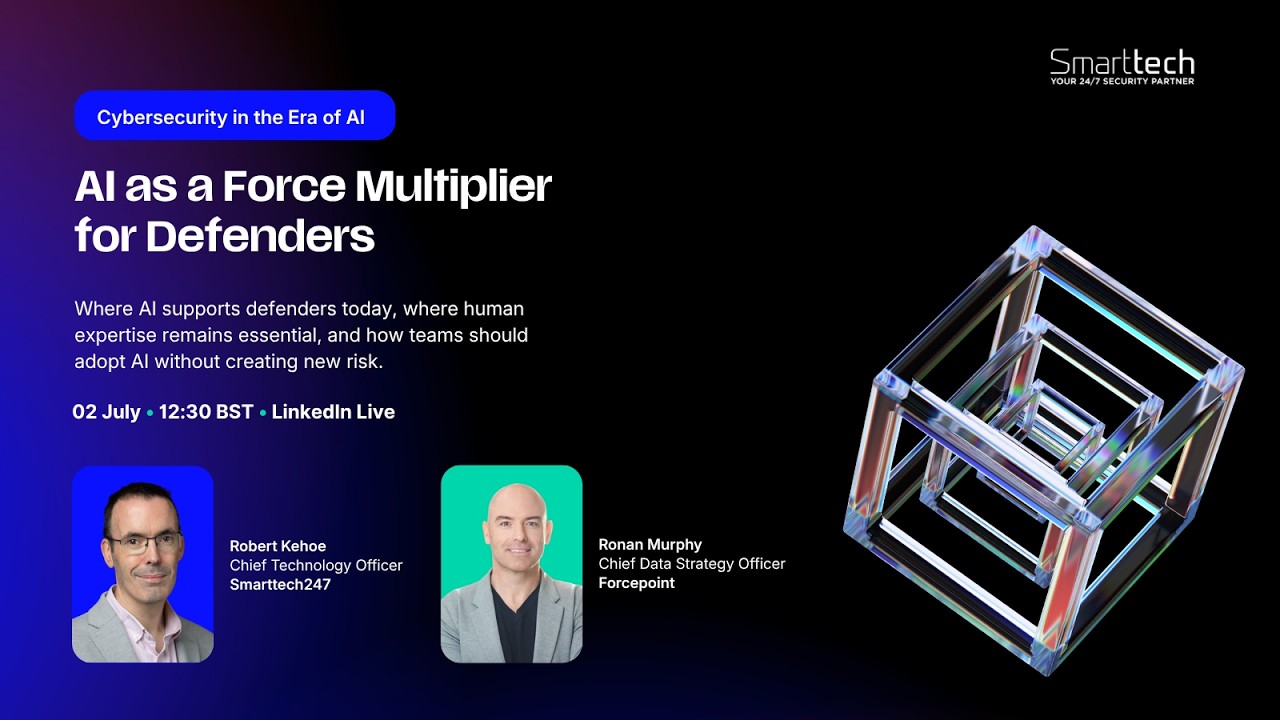
AI as a Force Multiplier for Defenders
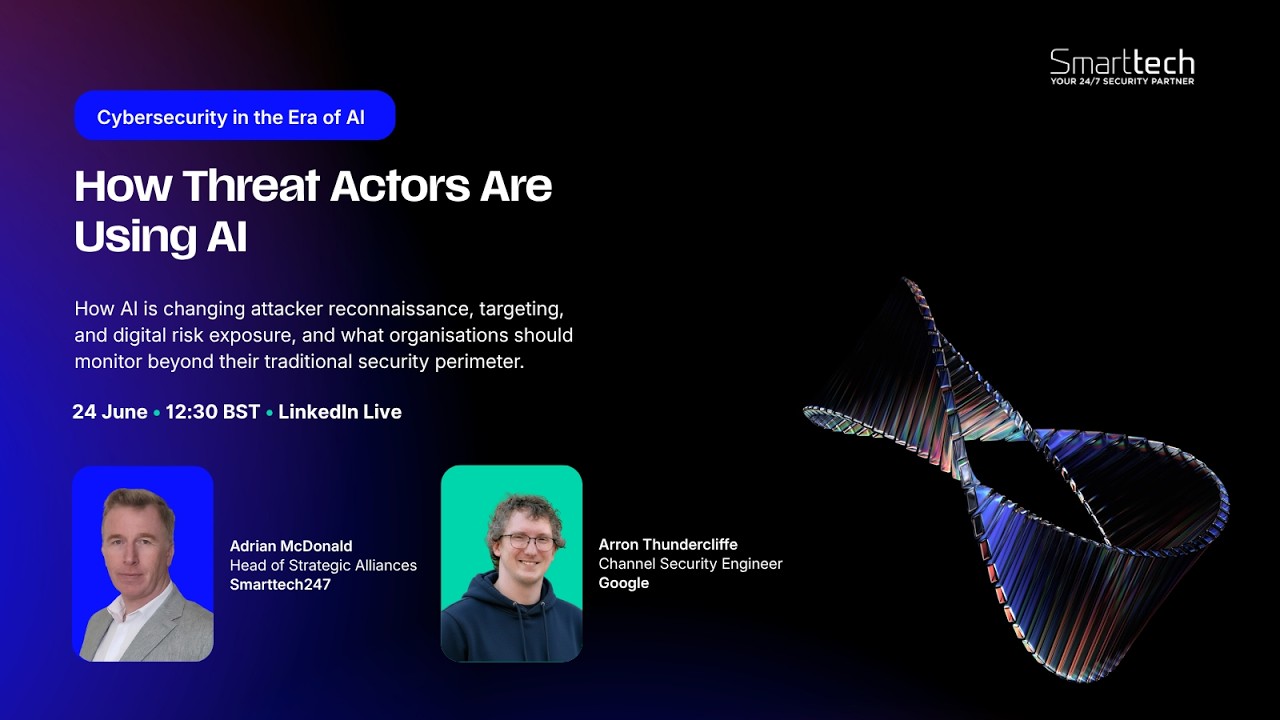
How Threat Actors Are Using AI
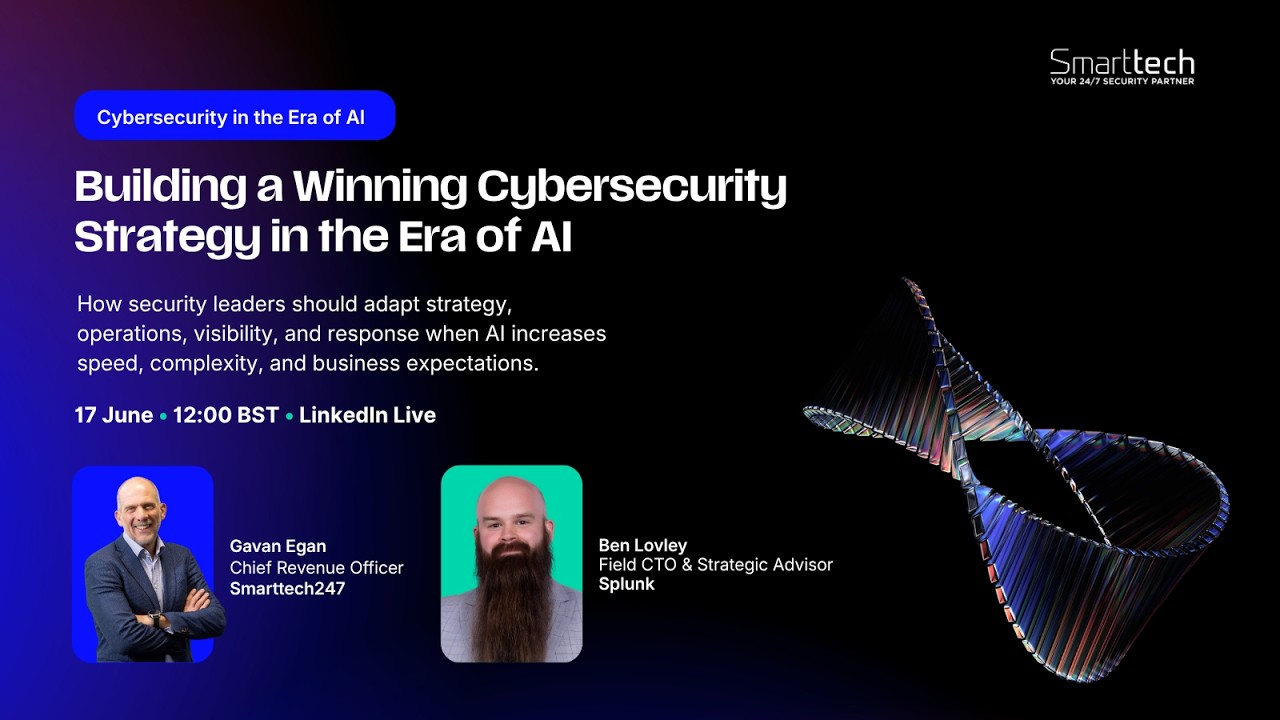
Building a Winning Cybersecurity Strategy
Ready to scale your security and compliance operations?
We protect your on-premise/cloud/OT environments - 24x7x365