

AI in Education Data Security


.png)
External Speakers

Ronan Murphy
.png)

Brian Johnson

Key Strategic Takeaways
AI adoption in education is accelerating rapidly, increasing both the scale and complexity of cyber risk while governance frameworks struggle to keep pace. As AI becomes embedded in learning, research, and administration, it introduces new exposure points across systems and workflows. Organisations must treat AI adoption as a security event, ensuring governance, visibility, and controls evolve in parallel with deployment.
AI systems are driving increased use and sharing of highly sensitive data, including student records, behavioural insights, and academic performance data. These datasets are often retained long-term and accessed across multiple platforms, increasing the risk of overexposure and misuse. Protecting this data requires tighter access controls, clear data ownership, and a disciplined approach to minimising unnecessary data sharing.
Many AI-related privacy risks emerge not from malicious activity, but from unclear data usage, hidden processing, and limited oversight of how AI systems operate. Institutions often lack a full understanding of how data is being used once it enters AI-driven workflows. Reinforcing principles like data minimisation, consent, and purpose limitation is essential to maintaining trust and regulatory alignment.
AI introduces new layers of identity risk through service accounts, APIs, and automated access mechanisms that often operate with broad permissions. In already complex education environments, this significantly expands the attack surface for credential abuse and lateral movement. Strong identity governance, least-privilege access, and continuous monitoring are critical to securing both human and machine identities.
AI governance is often fragmented across departments, leading to inconsistent policies, delayed decisions, and weak accountability. Without clear ownership and visibility into AI usage, organisations struggle to assess and manage risk effectively. Leaders must establish centralised governance, map AI usage and data flows, and implement monitoring to detect misuse early while aligning AI initiatives with existing risk and compliance frameworks.

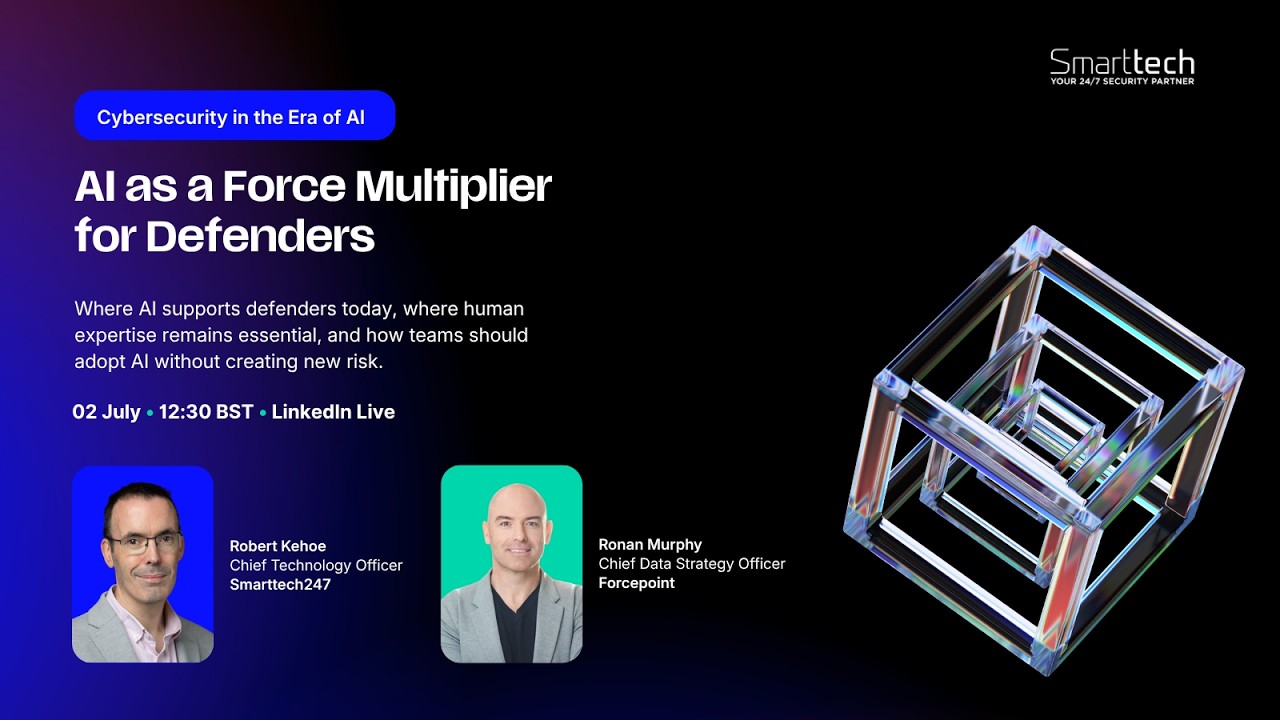
AI as a Force Multiplier for Defenders
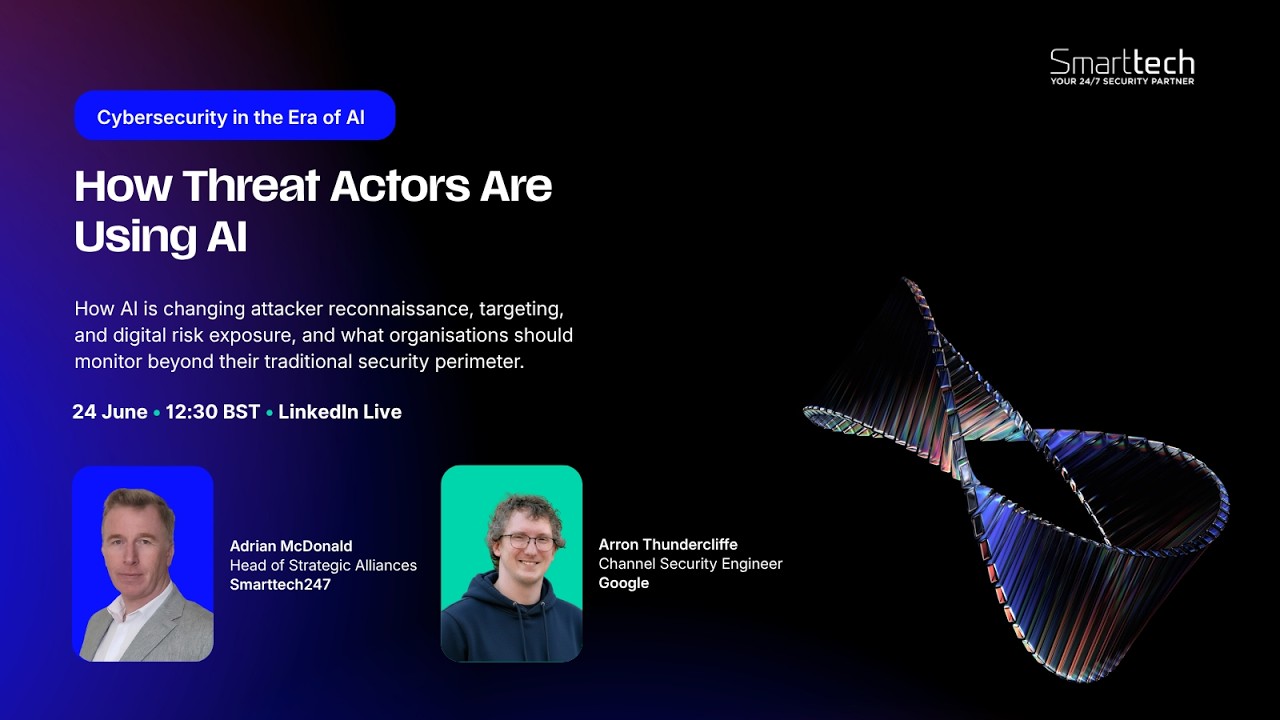
How Threat Actors Are Using AI
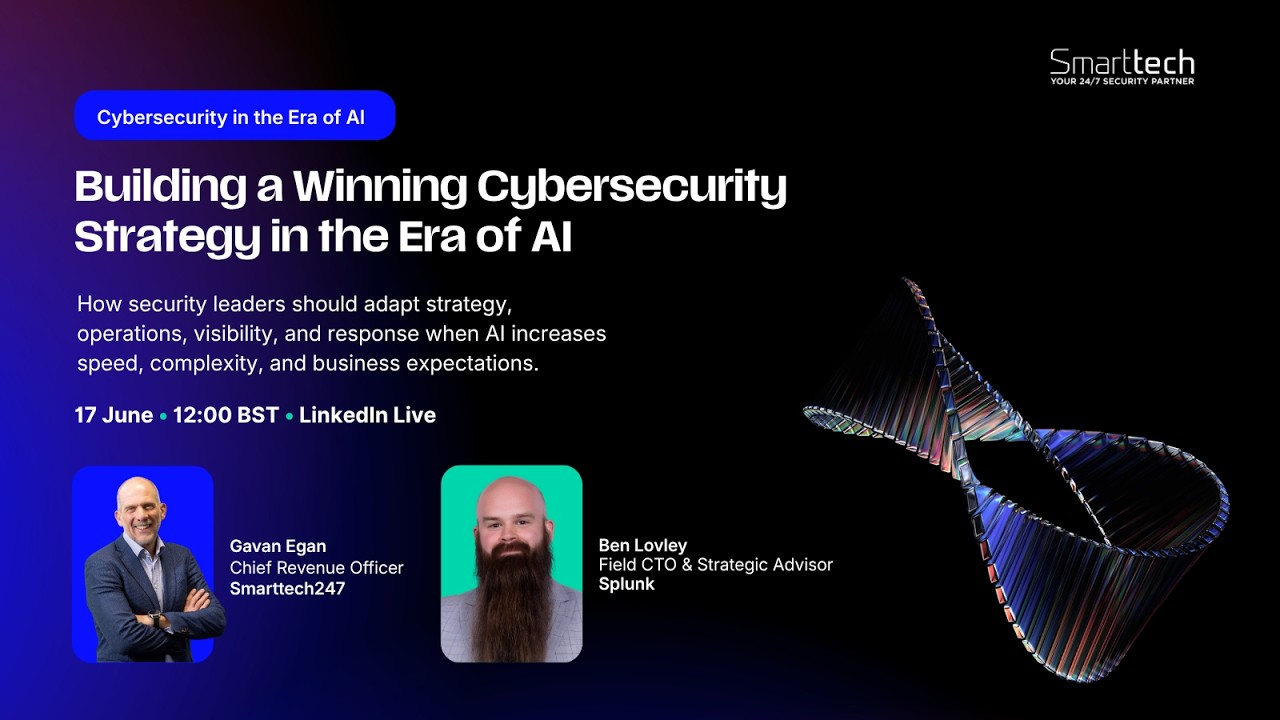
Building a Winning Cybersecurity Strategy
Ready to scale your security and compliance operations?
We protect your on-premise/cloud/OT environments - 24x7x365