

AI in Cybersecurity for Healthcare and Pharma Webinar


In-House Specialists


External Speakers
Key Strategic Takeaways
Financial institutions are using AI primarily to automate customer support and enhance fraud detection through anomaly analysis and transaction monitoring. These capabilities are already reducing detection time and improving accuracy, pushing even traditionally cautious organisations to accelerate adoption.The competitive reality is simple: AI is no longer optional, it’s a performance differentiator in both customer experience and fraud prevention.
Under the EU AI Act, core financial use cases like credit scoring, biometric verification, and fraud detection are classified as high-risk systems. This introduces strict requirements around transparency, auditability, data governance, and ongoing risk assessment. Organisations must build AI systems that are explainable and defensible, not just effective, or risk regulatory and reputational fallout.
AI is significantly reducing manual effort by correlating alerts, analysing transaction patterns, and accelerating investigations in both fraud and SOC environments. What once took analysts minutes now happens in seconds, improving response speed and consistency. However, final decisions remain human-led, with AI acting as an augmentation layer rather than a replacement for expertise.
AI-driven correlation has helped reduce alert fatigue by grouping signals into meaningful incidents, allowing analysts to focus on higher-value investigations. At the same time, issues like hallucinations, bias, and lack of explainability introduce new forms of risk. The reality is trade-off: less noise, but higher stakes if AI outputs are trusted without validation.
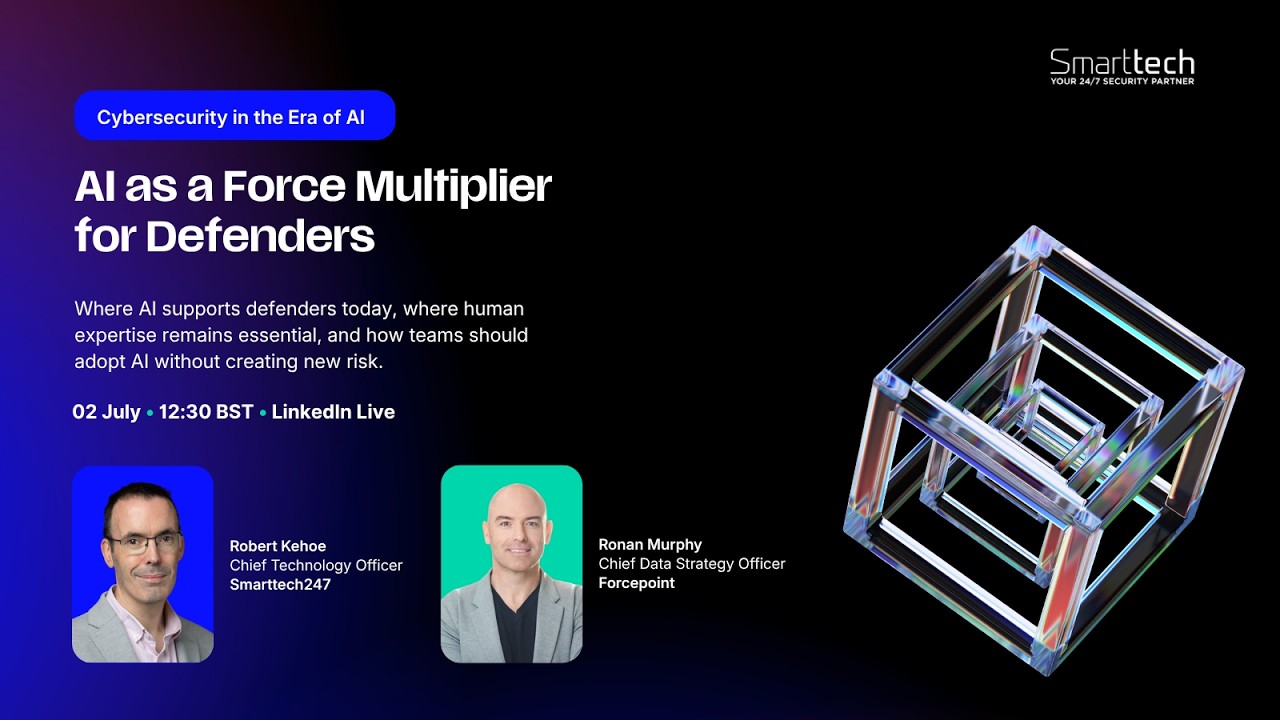
AI as a Force Multiplier for Defenders
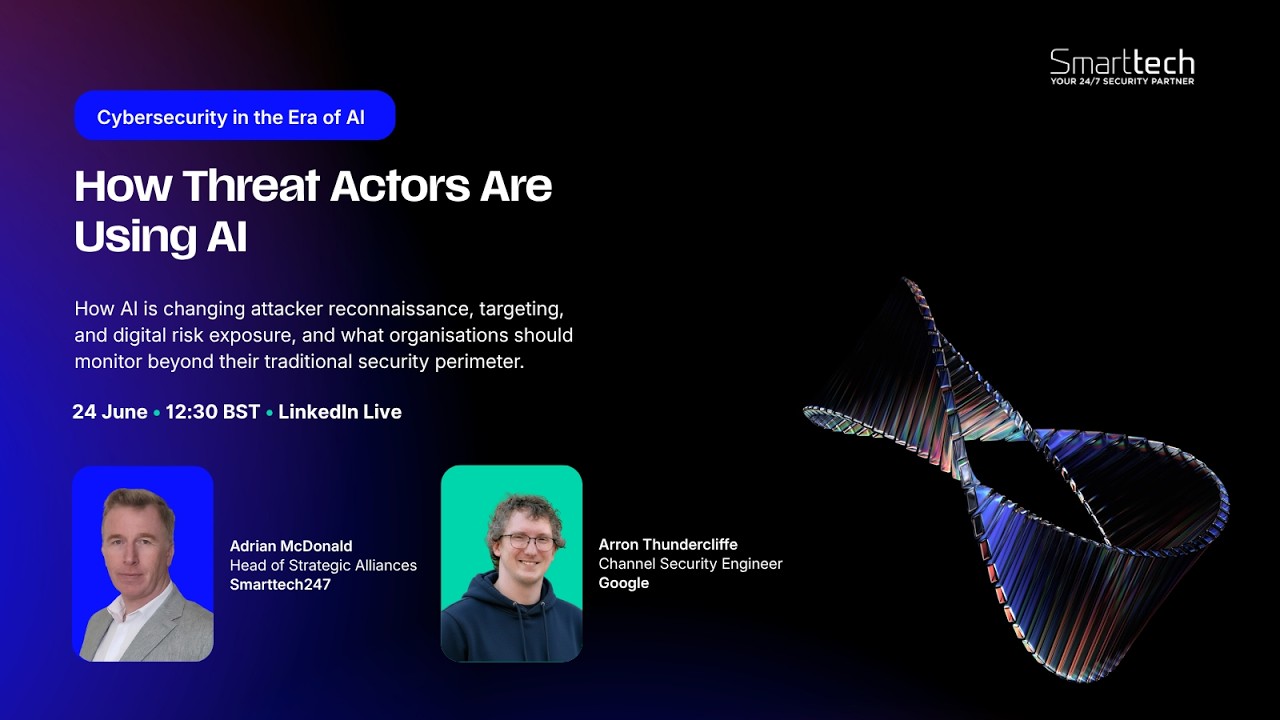
How Threat Actors Are Using AI
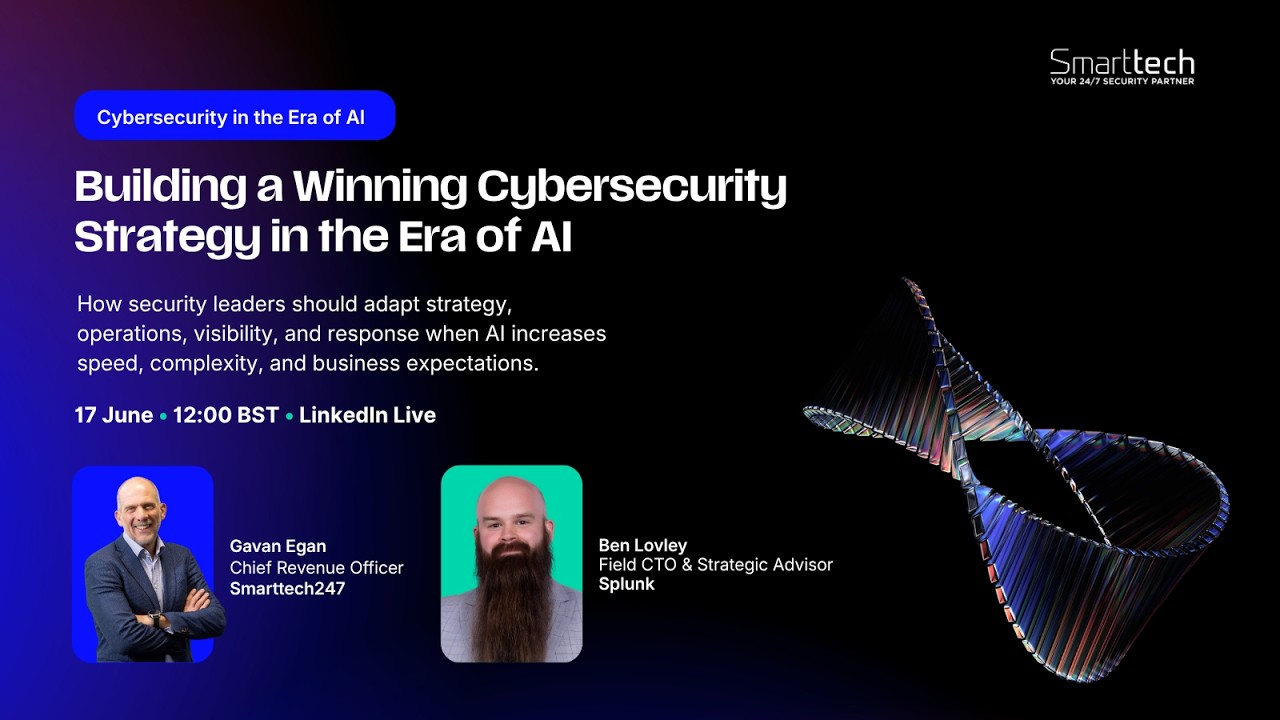
Building a Winning Cybersecurity Strategy
Ready to scale your security and compliance operations?
We protect your on-premise/cloud/OT environments - 24x7x365