

The New Ransomware Economics | Edwin Bowers & CrowdStrike on Modern Cyber Extortion



External Speakers
Key Strategic Takeaways
Ransomware has matured into a sophisticated criminal business model. Attackers now focus on multi-extortion tactics, stealing data, exploiting identity, and targeting operations to maximize pressure on victims rather than simply encrypting systems. High-profile attacks in recent years all follow this pattern.
AI is lowering the barrier to entry for cybercriminals by enabling highly convincing social engineering, automated reconnaissance, and accelerated phishing campaigns. This elevates less sophisticated threat actors while also amplifying the most advanced ones, compressing the time between initial access and impact.
AI tools like generative AI make it easier for lower-skilled attackers to craft convincing attacks with minimal effort. Nation state actors are also misusing these tools in more advanced ways, including prompt injection to bypass guardrails in AI models, raising the overall threat level across the board.
Individual signals like failed logins or unusual VPN access may look insignificant in isolation. When security telemetry is fragmented across separate tools, these indicators never get correlated, and suspicious activity goes undetected. Centralizing logs and controls into a single view is essential for catching threats early.
Effective detection involves correlating signals across identity, network, and infrastructure logs simultaneously. For example, combining multiple failed logins in Entra ID with unusual VPN access and abnormal VM activity can surface a suspicious event that no single alert would have flagged on its own.
- 0:00 Introduction
- 0:38 How ransomware evolved beyond encryption
- 1:26 Multi-extortion attacks and data theft tactics
- 2:18 Real-world examples: Snowflake, Marks & Spencer, Wind Resort
- 3:04 Why identity and operations are now prime targets
- 4:01 AI and GenAI changing the ransomware landscape
- 4:53 Nation-state misuse of GenAI and prompt injection
- 5:40 AI-powered phishing and automated reconnaissance
- 6:29 How AI lowers the barrier for cybercriminals
- 7:12 Faster attack timelines from access to impact
- 8:01 Why less sophisticated attackers are becoming more dangerous
- 8:42 The importance of centralized security visibility
- 9:24 Correlating identity, VPN, and infrastructure logs
- 10:16 Detecting suspicious behavior through context and patterns
- 11:03 Why siloed security tools increase risk
- 11:42 Complexity as the enemy of cyber defense
- 12:18 SIEM’s role in modern ransomware detection
- 13:02 Bringing security telemetry into a single platform
- 13:49 Improving detection and response through visibility
- 14:28 Closing thoughts and final discussion
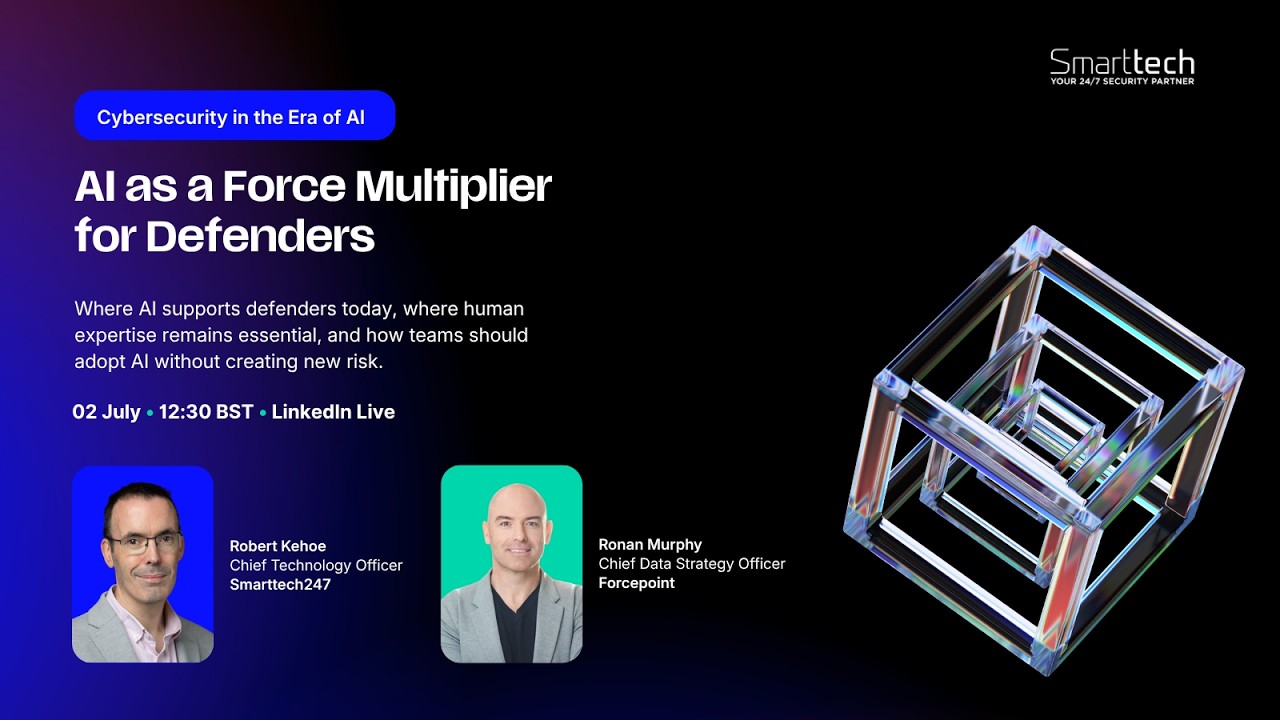
AI as a Force Multiplier for Defenders
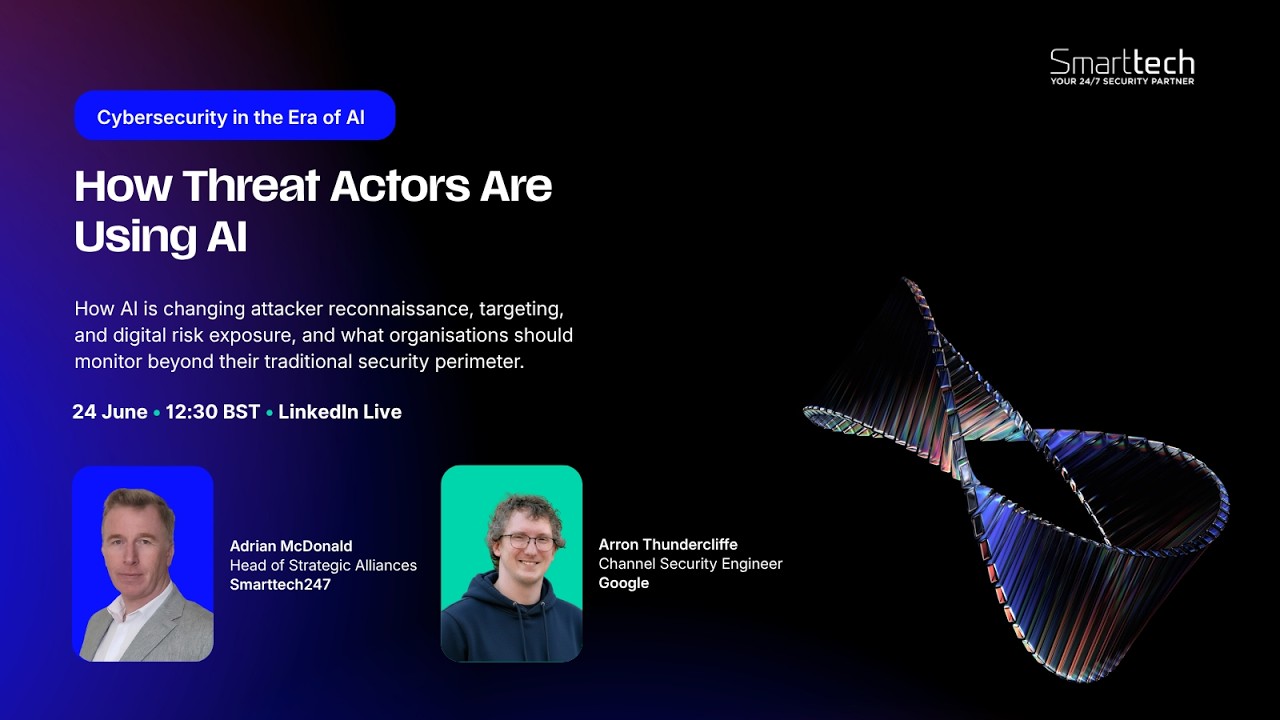
How Threat Actors Are Using AI
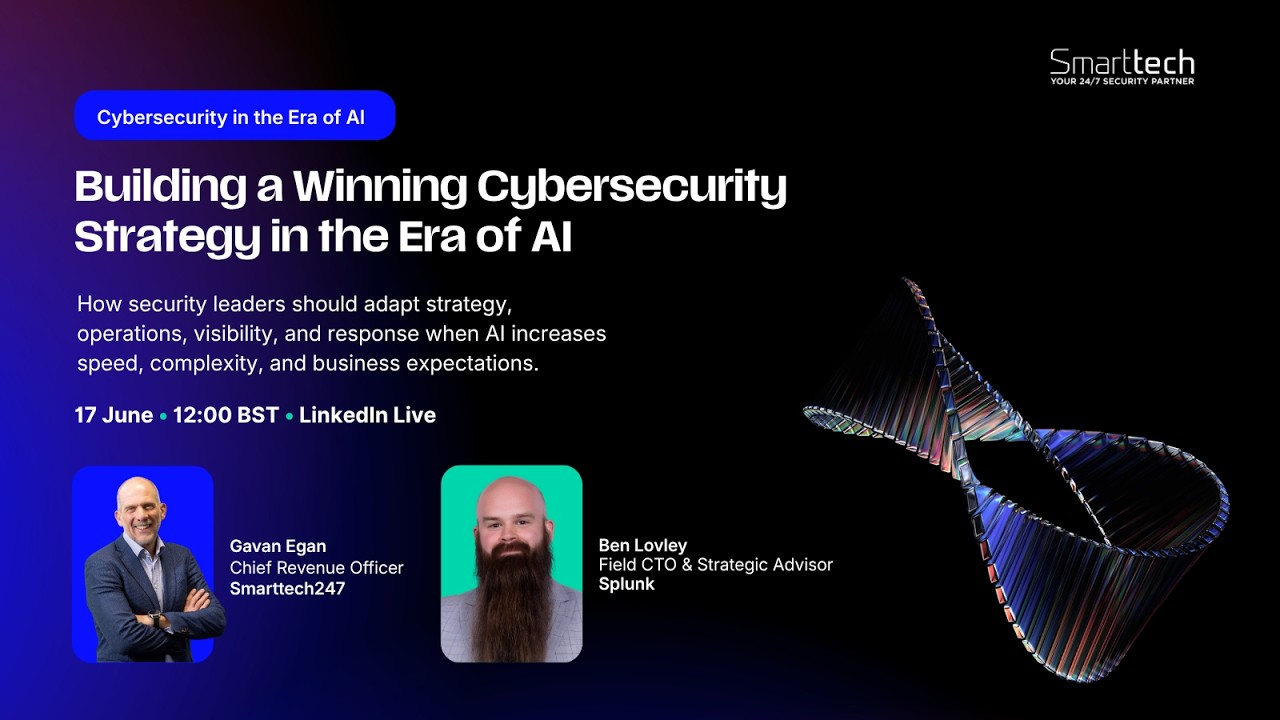
Building a Winning Cybersecurity Strategy
Ready to scale your security and compliance operations?
We protect your on-premise/cloud/OT environments - 24x7x365