

The Impact of AI Security Culture and Insider Threats Webinar



External Speakers

James Sheldrake


Bas Van Den Hoeven
.png)
Key Strategic Takeaways
Most insider-driven incidents are not caused by malicious intent but by negligence, workarounds, or compromised accounts. In practice, these categories overlap, with users often taking risky actions to get their jobs done under pressure. Organisations need to focus on understanding behaviour and context, not just classifying incidents, to reduce risk effectively.
When employees bypass controls, it often reflects friction in tools, workflows, or policies rather than deliberate non-compliance. Shortcuts like emailing files to personal accounts usually indicate that secure alternatives are missing or impractical. Fixing these gaps requires aligning security controls with how people actually work, making the secure path the easiest path.
AI is dramatically increasing the realism and scale of phishing, voice impersonation, and deepfake attacks, turning highly targeted scams into repeatable operations. Real-world cases show attackers successfully impersonating colleagues in live interactions to trigger high-value fraud. Defence must evolve beyond traditional detection, combining user awareness, behavioural analysis, and real-time intervention to counter increasingly authentic threats.
Employees often delay or avoid reporting incidents due to fear, embarrassment, or perceived reputational damage, even when no formal punishment exists. This delay increases the impact of attacks and reduces the organisation’s ability to respond quickly. Building an effective security culture means removing stigma, rewarding early reporting, and treating mistakes as part of the defence process rather than a failure.
Annual training programmes are no longer effective against AI-driven threats that evolve rapidly. Leading organisations are combining real-time detection, contextual nudges, and adaptive training based on actual user behaviour. This integrated approach creates a feedback loop where users learn in context, reducing risk without overwhelming them or disrupting productivity.

- 00:00 Introduction to humans, machines, and insider risk in the AI era
- 02:02 The three types of insider threat: malicious, negligent, and compromised users
- 03:36 Why insider threat categories often blur in real organizations
- 05:02 Risky behaviour as a sign of broken processes and poor security culture
- 06:08 How AI is changing phishing, deepfakes, and social engineering attacks
- 08:59 Why AI makes attacks faster, cheaper, and more scalable for threat actors
- 11:07 Why positive security culture often breaks down after an incident
- 13:23 Why punishment weakens reporting and damages security outcomes
- 19:26 Security champions, governance, and practical ways to improve culture
- 20:10 How training, simulations, and nudges reduce insider risk over time
- 26:06 Demo: real-time coaching, phishing detection, and adaptive training workflows
- 41:17 Final advice: embrace AI, build layered security, and strengthen culture
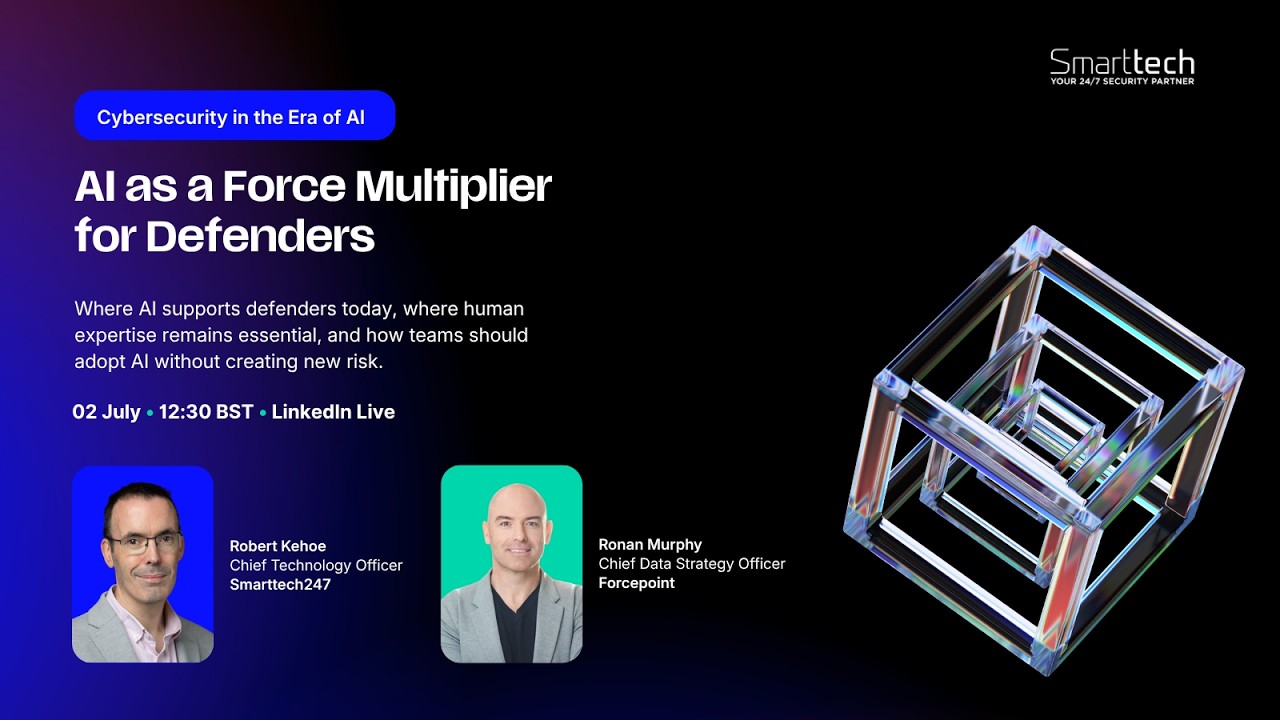
AI as a Force Multiplier for Defenders
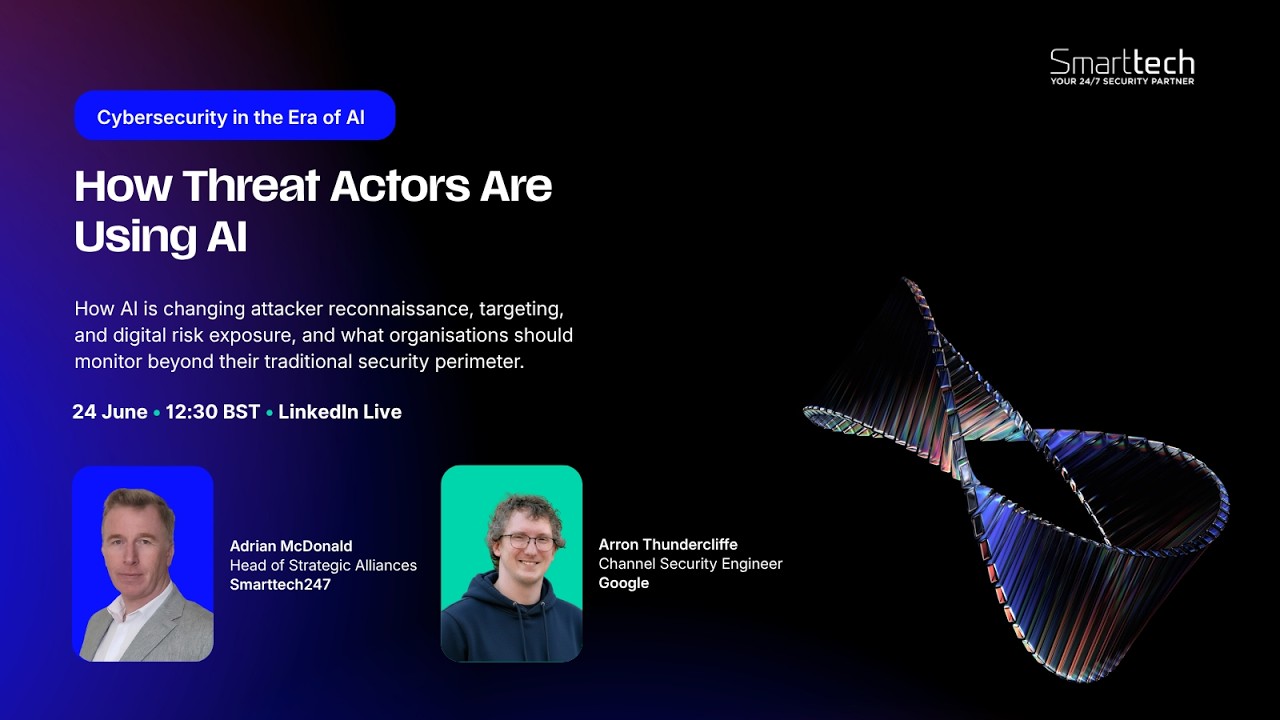
How Threat Actors Are Using AI
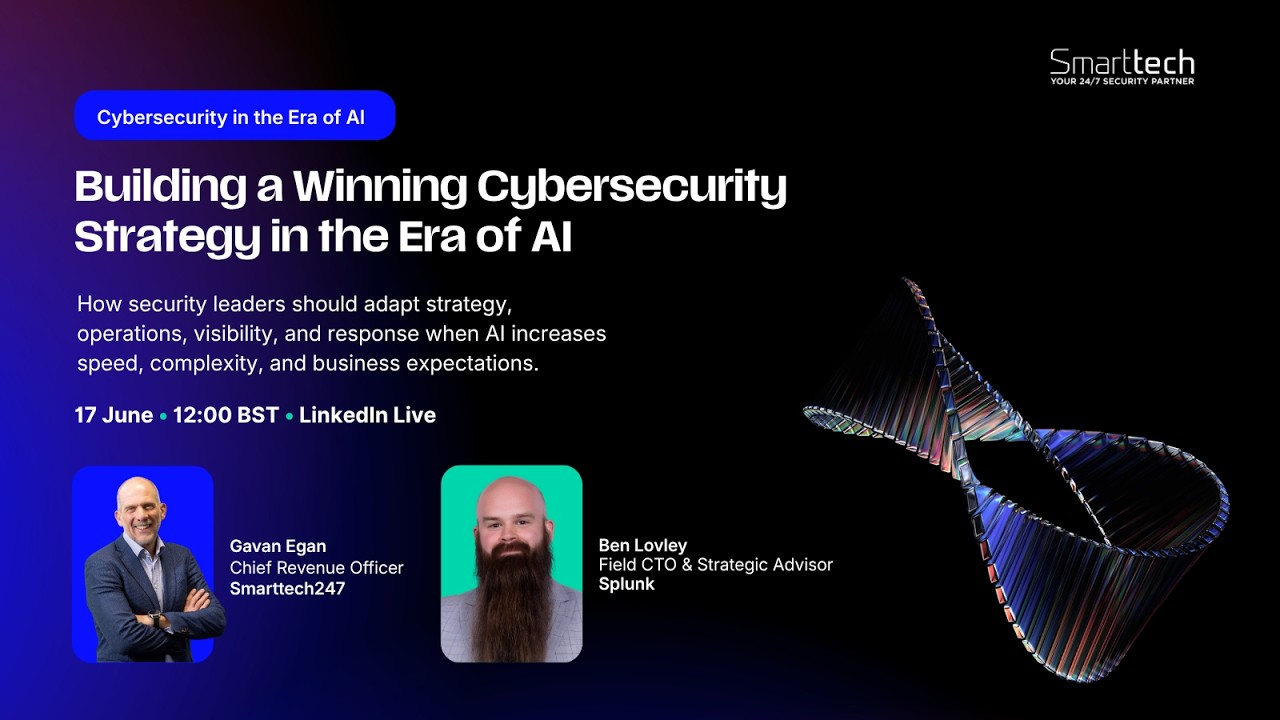
Building a Winning Cybersecurity Strategy
Ready to scale your security and compliance operations?
We protect your on-premise/cloud/OT environments - 24x7x365