

Supply Chain & Third-Party Risk | Managing Hidden Cybersecurity Threats



External Speakers
Key Strategic Takeaways
It comes down to attacker economics. Rather than trying to breach dozens of well-defended organizations individually, compromising a single trusted vendor or SaaS provider can grant access to hundreds of networks at once. Attackers are effectively hiding inside the trusted relationships organizations depend on every day.
A questionnaire or spreadsheet only captures how secure a vendor was on one specific day. It tells you nothing about their posture when a zero-day drops months later. Third-party risk is also not a one-to-one relationship; when you onboard a vendor, you inherit their entire supply chain risk, not just their own.
Modern supply chain attacks typically fall into three categories: compromised software updates pushed through trusted vendor channels, stolen vendor credentials, and abused API integrations. In many cases attackers simply log in using legitimate access, making them extremely difficult to distinguish from normal activity.
The three most important priorities are continuous monitoring of vendor activity inside your environment, enforcing least privilege access so vendors can only access what they need for a specific task, and having a clear process to rapidly identify and disconnect from a breached supplier before damage spreads.
The traditional perimeter model no longer holds when hundreds of third parties have access to internal systems. Zero trust, verifying every identity and access request regardless of source, directly addresses the reality that attackers now walk in through trusted relationships rather than breaking through defenses.
- 0:00 Introduction
- 0:52 Why supply chain attacks are accelerating
- 2:02 Attackers exploiting trusted vendors and MSPs
- 3:18 Visibility gaps in third-party ecosystems
- 4:35 Why annual vendor questionnaires fail
- 5:53 The problem with delayed breach disclosure
- 7:07 Understanding inherited vendor risk
- 8:31 Shadow AI tools and unmanaged SaaS exposure
- 9:48 Zero Trust and continuous attack surface management
- 11:03 Mapping dependencies and controlling vendor access
- 12:19 Why attackers now “log in” instead of hack in
- 13:42 Incident response planning for supplier breaches
- 15:01 Lessons from SolarWinds, Equifax, and major breaches
- 16:09 AI’s impact on supply chain and compliance risk
- 17:20 MFA, resilience, and returning to security fundamentals
- 18:38 Why the firewall model no longer works
- 19:48 Destructive attacks, admin rights, and lateral movement
- 21:03 The three major supply chain attack vectors
- 22:06 Key takeaways: monitoring, least privilege, resilience
- 23:00 Closing remarks and Zero Day Con discussion
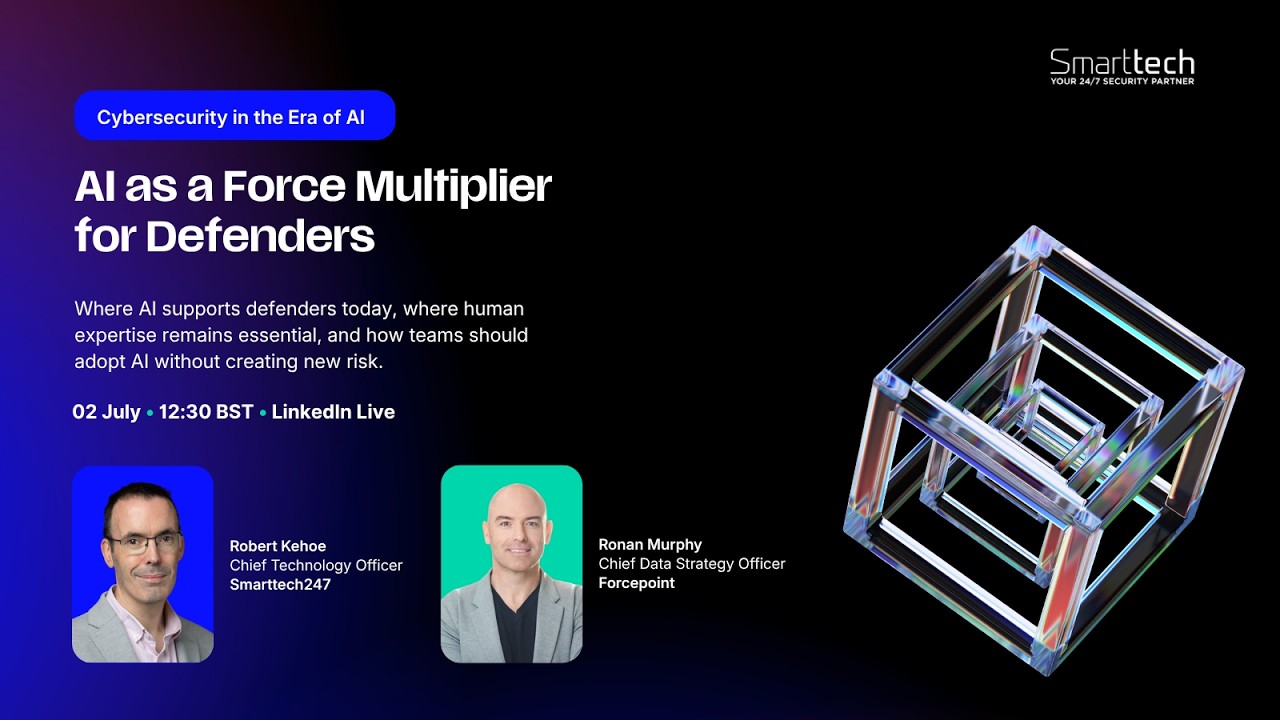
AI as a Force Multiplier for Defenders
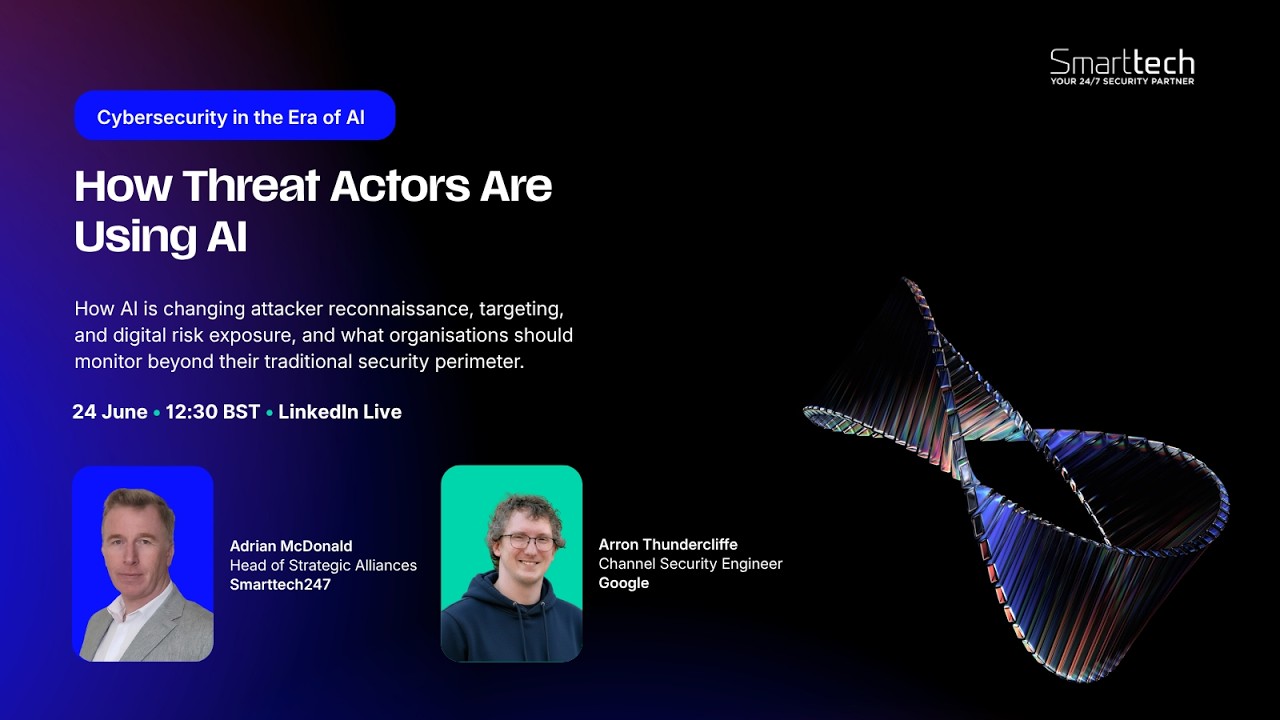
How Threat Actors Are Using AI
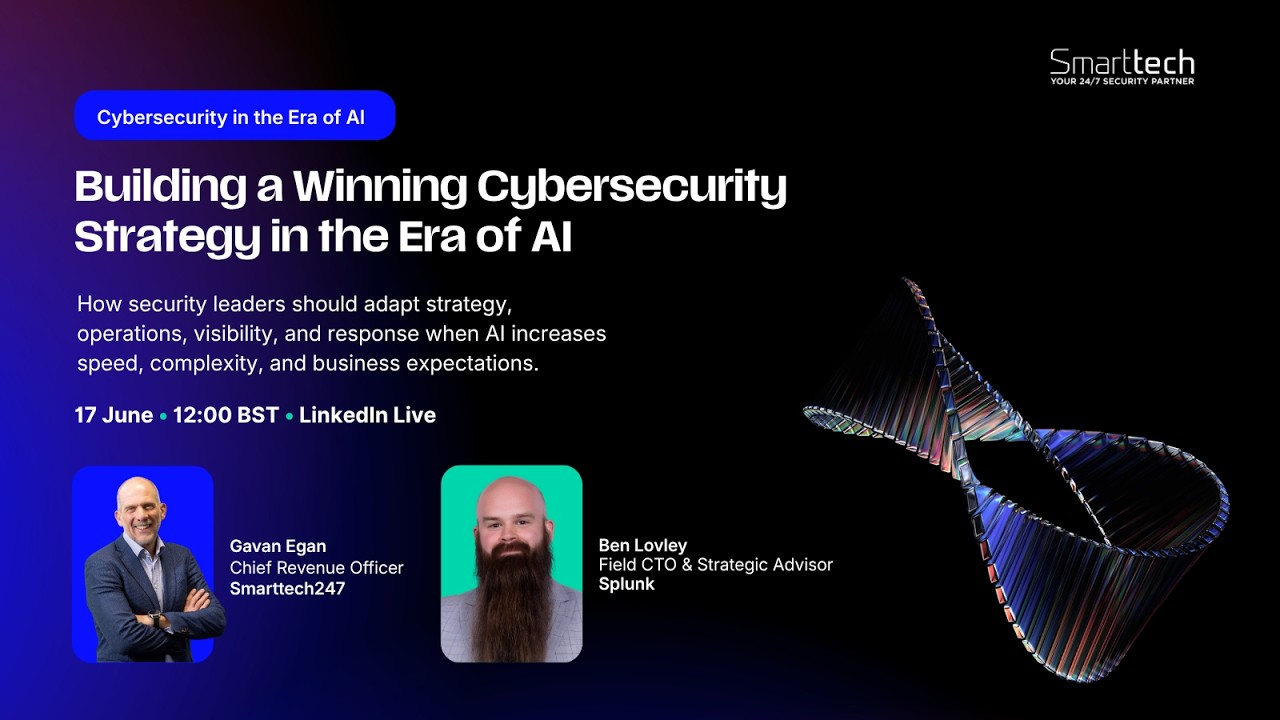
Building a Winning Cybersecurity Strategy
Ready to scale your security and compliance operations?
We protect your on-premise/cloud/OT environments - 24x7x365