

Strengthening Your Data Protection Strategy with Security Testing and Vulnerability Assessments Webinar



External Speakers

Jacob White
.png)
Key Strategic Takeaways
Traditional “scan-and-report” approaches are no longer sufficient as environments grow more complex and dynamic. Organisations must continuously discover, assess, and remediate vulnerabilities across cloud, endpoints, and operational systems. Effective programmes operate as ongoing cycles, not one-off audits, with constant visibility into what exists and where risk is emerging.
Operational environments are increasingly connected but still lack mature security practices, making them attractive targets for attackers seeking high-impact disruption. Legacy design, slow patching cycles, and limited security awareness create exploitable gaps. Organisations must treat OT/ICS as core business risk, applying segmentation, monitoring, and tailored controls that reflect operational constraints.
Modern attack paths exploit not just devices but access points, services, APIs, and identity pathways that connect systems. A complete view of the attack surface requires continuous inventory of all assets and how they are accessed. Security teams must map exposure holistically, ensuring that entry points like VPNs or unmanaged devices do not become shortcuts to critical systems.
With tens of thousands of vulnerabilities disclosed annually, organisations cannot fix everything and must focus on what is exploitable and impactful. Context, asset criticality, and real-world threat intelligence are essential to making remediation achievable. Aligning technical findings with business risk ensures resources are directed toward the vulnerabilities that matter most.
Events like Log4Shell and zero-day vulnerabilities highlight that the key differentiator is how quickly organisations can identify affected systems and act. Delayed visibility and slow remediation leave known weaknesses exposed long after disclosure. Building integrated workflows, automation, and clear ownership enables faster detection, prioritisation, and resolution at scale.
- 00:08 Introduction to vulnerability management and why the topic matters
- 01:02 Log4j as a wake-up call for poor asset visibility and tracking
- 03:01 Evolution of the vulnerability management market and growing security awareness
- 06:05 OT and ICS security still lagging behind despite increasing exposure
- 12:40 Rising volume of CVEs and why vulnerability management is becoming harder
- 17:21 Attack surface management and the need for a structured programme
- 22:12 Asset criticality and why not all systems can be prioritised equally
- 28:57 Risk-based prioritisation, threat intelligence, and workflow automation
- 31:47 M&A risk and how organisations can inherit hidden vulnerabilities
- 35:38 Zero-days, incident pressure, and why most organisations still struggle
- 42:10 Unified visibility, offensive insight, and continuous monitoring
- 46:59 AI in vulnerability management and how both defenders and attackers will use it
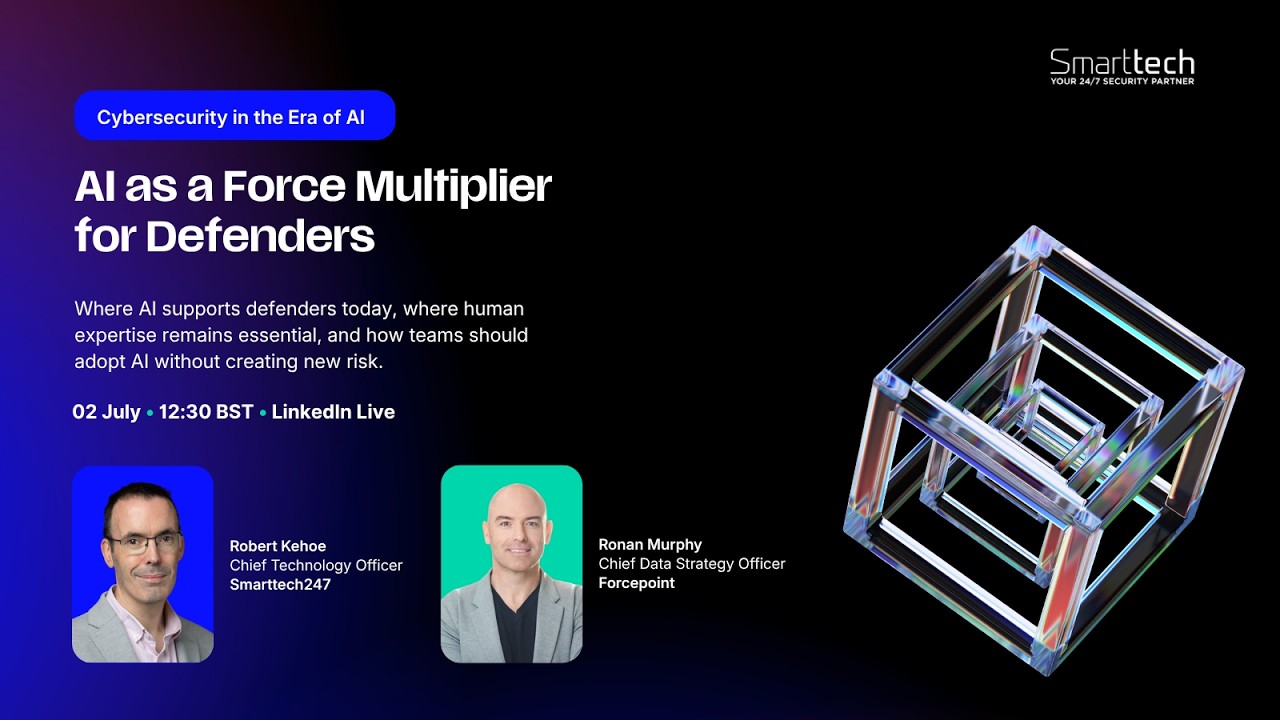
AI as a Force Multiplier for Defenders
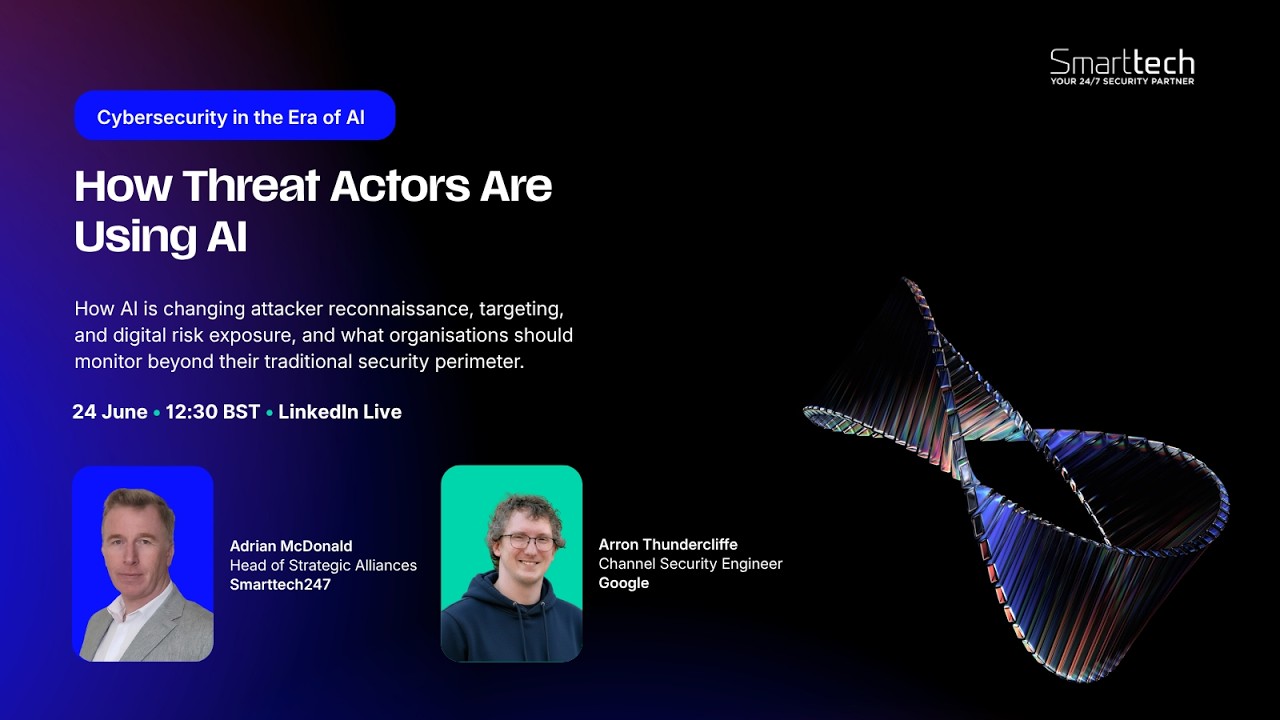
How Threat Actors Are Using AI
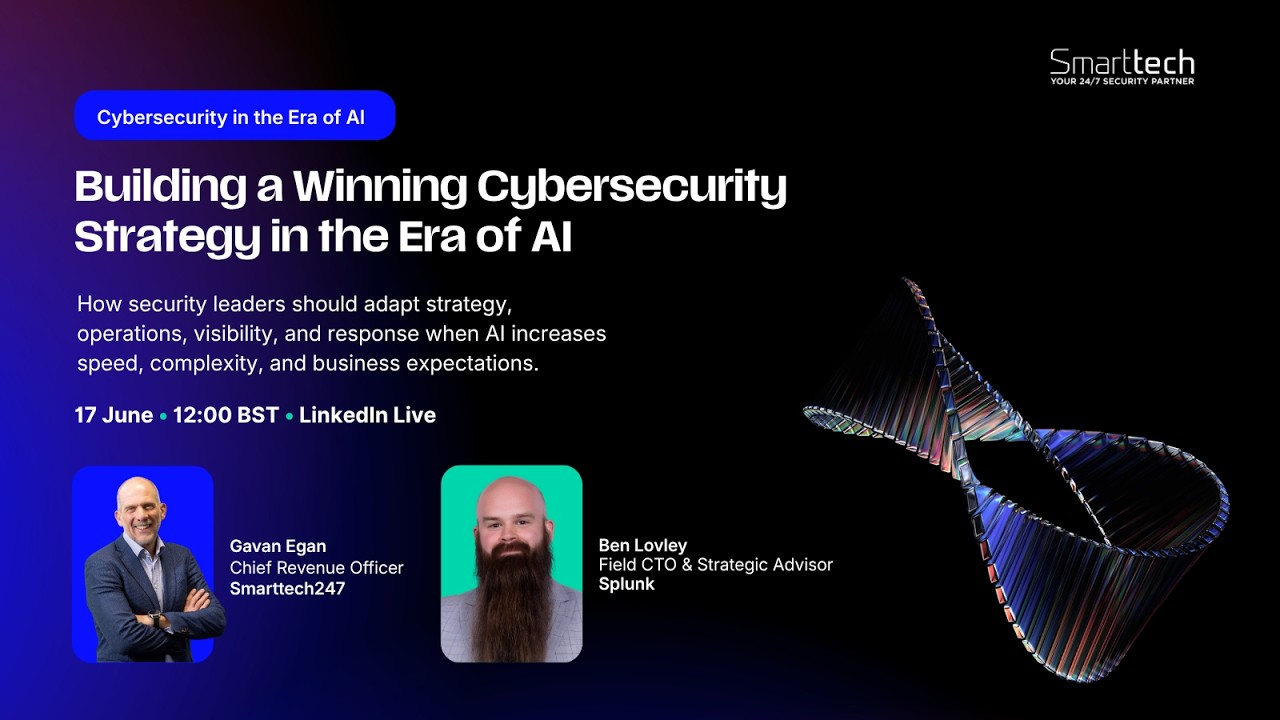
Building a Winning Cybersecurity Strategy
Ready to scale your security and compliance operations?
We protect your on-premise/cloud/OT environments - 24x7x365