

Identity Is the New Front Line How CISOs Build Identity Resilience with ITDR Webinar


In-House Specialists


External Speakers

Alex Bacik
.png)
Key Strategic Takeaways
Educational institutions remain high-value targets due to the volume of personal, financial, and research data they hold, combined with fragmented, decentralised IT environments. Despite increased investment, around 65% still face critical security gaps, with ransomware and phishing as dominant entry points. The takeaway is simple: without addressing legacy infrastructure and visibility gaps, investment alone won’t reduce risk.
Attackers are no longer breaching networks, they’re exploiting identities, with a significant portion of attacks leveraging compromised credentials and phishing. This shift makes identity and access management the most critical control layer in modern security strategies. Strengthening identity governance, enforcing least privilege, and continuously monitoring access behaviour are now non-negotiable.
Regulations like GDPR and NIS2 have pushed organisations forward, but real progress comes from adopting risk-based strategies that quantify business impact. Boards now expect clear metrics such as detection times, incident response performance, and financial risk exposure.
Security leaders are translating technical vulnerabilities into business language, enabling smarter prioritisation and more effective investment decisions.
More mature organisations are focusing on fundamentals: securing identities, endpoints, and data, while investing in continuous monitoring and faster response capabilities. At the same time, they prioritise human risk through structured awareness training and phishing resilience programmes.For smaller institutions, the priority is clear: focus on awareness, seek external expertise, and build incremental security maturity based on real risk.

- 00:00 Introduction
- 01:56 What is identity and why it matters
- 04:17 Identity-based attacks
- 06:50 Why attacks are increasing
- 08:07 Types of identities targeted
- 10:31 How attackers gain access
- 13:21 Why MFA is not enough
- 17:44 How attacks escalate
- 36:50 Identity vs traditional security
- 39:33 Validating identity security
- 46:44 Hardest attacks to detect
- 49:42 Future of identity attacks
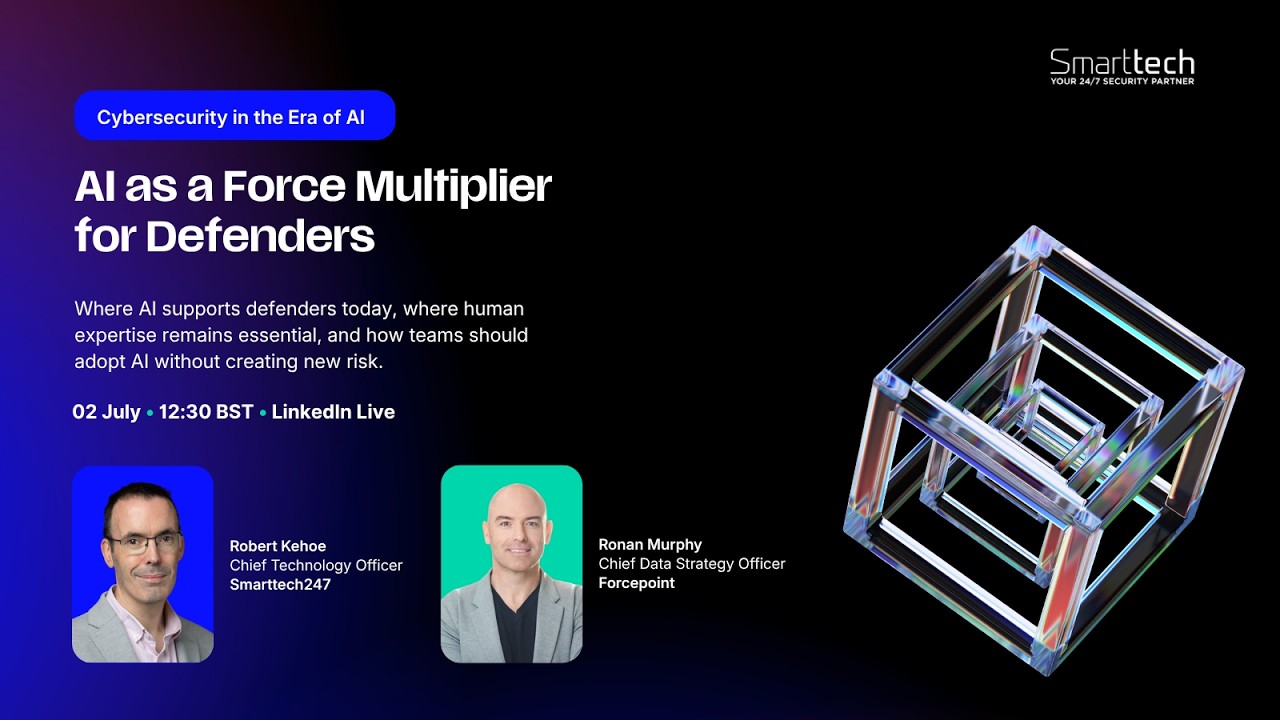
AI as a Force Multiplier for Defenders
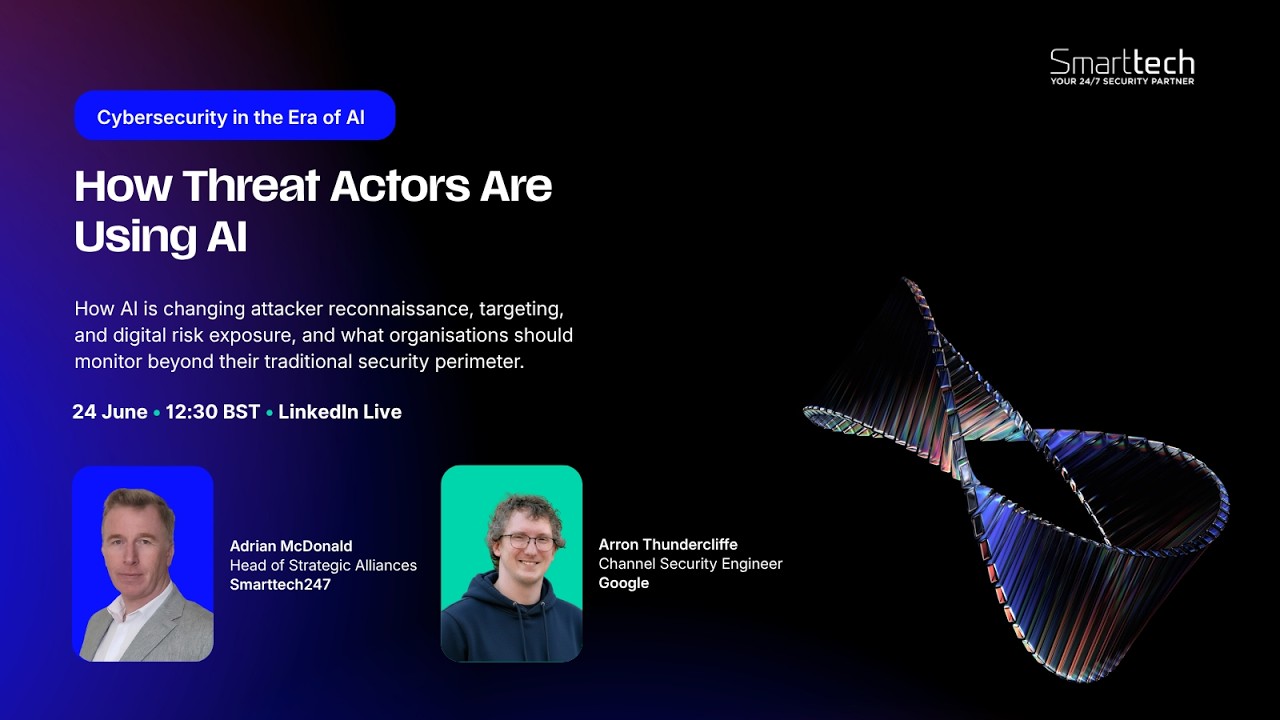
How Threat Actors Are Using AI
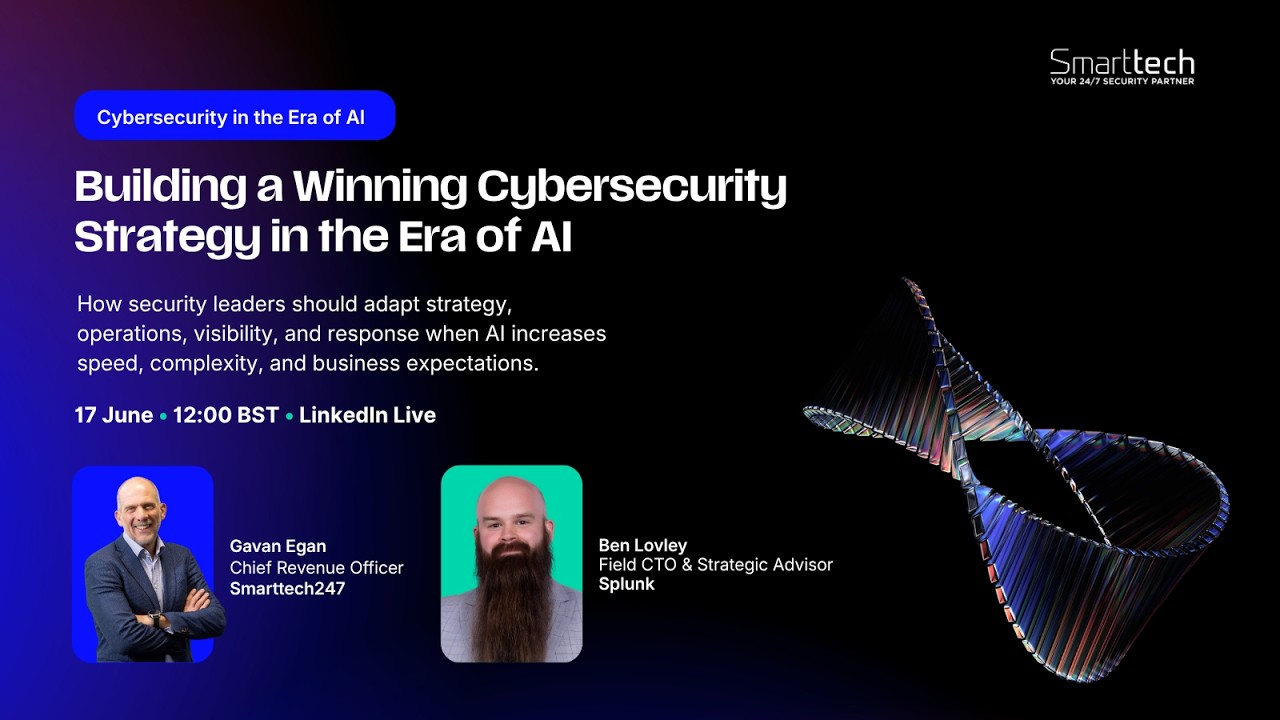
Building a Winning Cybersecurity Strategy
Ready to scale your security and compliance operations?
We protect your on-premise/cloud/OT environments - 24x7x365