

Building an Effective Security Strategy | Gavan Egan & Raluca Saceanu on Cyber Resilience


.png)
.png)
External Speakers
Key Strategic Takeaways
There are five key pillars: proactive security (hardened environments, patch management, network segmentation), identity and human layer governance, operational threat intelligence, operational resilience and incident testing, and ensuring your security strategy drives your technology choices rather than the other way around. AI is also rapidly becoming a critical sixth consideration.
AI has dramatically improved attack quality. Threat actors now craft grammatically perfect, contextually aware, and highly targeted communications, including convincing voice and video impersonations. Technical controls like MFA, conditional access policies, and zero trust principles are now essential complements to any awareness program.
MDR bridges the gap between what a security strategy says on paper and what actually happens when something fires at 2am. It provides round-the-clock expertise across hundreds of environments, enabling fast detection and containment, and delivers the evidence-based reporting needed for board-level confidence.
Key metrics include mean time to respond, mean time to contain, MFA coverage across privileged accounts, and vulnerability patching speed by severity. These are far more meaningful indicators than simply counting the number of security tools deployed.
True resilience requires mapping critical dependencies, understanding which systems or third parties would threaten operations if disrupted, and regularly testing incident response with the right people in the room, including senior leadership. Organizations that handle major incidents well are typically those that have practiced, not those with the most sophisticated technology.

- 0:00 Introduction
- 1:12 Why cyber security strategy is now business critical
- 2:48 What defines an effective security strategy
- 4:02 Importance of proactive security and reducing blast radius
- 5:18 Identity threats and governance challenges
- 6:56 AI-driven phishing and social engineering attacks
- 8:42 Why user awareness training is no longer enough
- 9:50 Zero trust, MFA, and limiting attacker movement
- 10:42 Making threat intelligence operational
- 12:02 Operational resilience and testing incident response
- 13:42 Why technology should not dictate security strategy
- 15:04 Visibility gaps and security tool complexity
- 16:07 AI as the new frontier in cyber security
- 17:18 How MDR supports operational resilience
- 18:36 Why organizations need experienced MDR partners
- 19:42 Measuring the effectiveness of a security strategy
- 20:22 Tabletop exercises and executive preparedness
- 20:50 Final thoughts and closing remarks
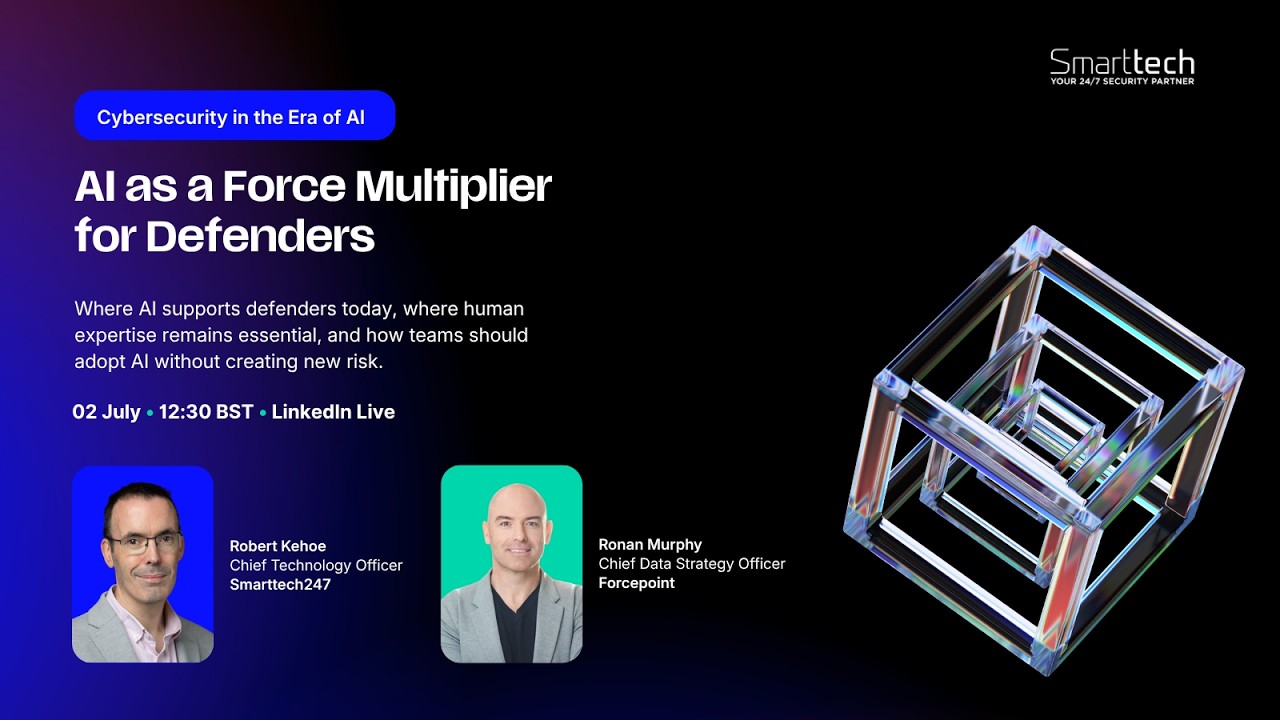
AI as a Force Multiplier for Defenders
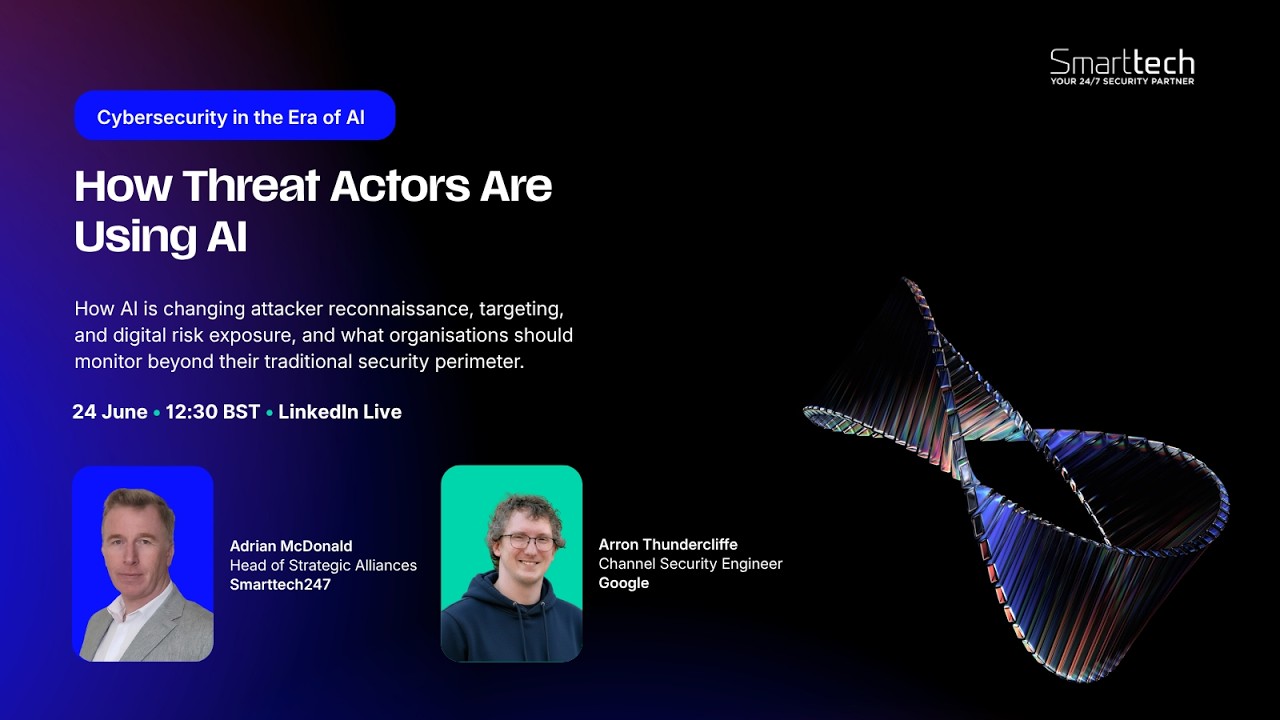
How Threat Actors Are Using AI
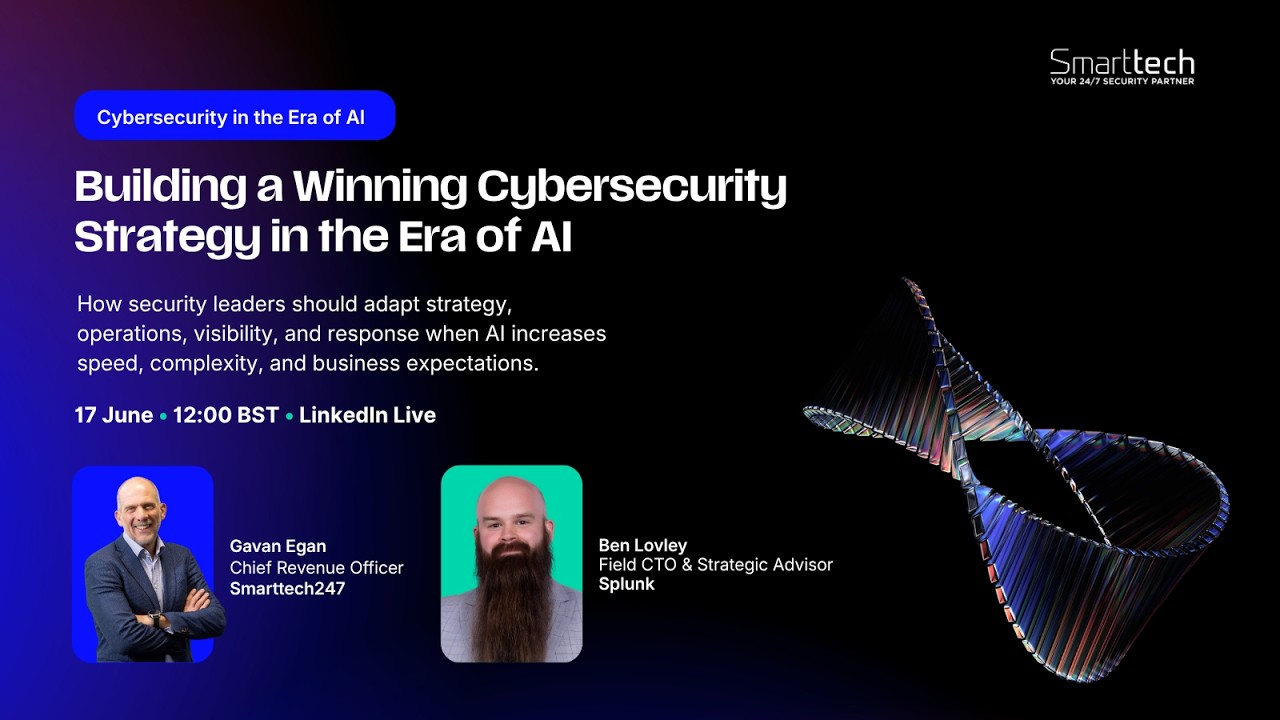
Building a Winning Cybersecurity Strategy
Ready to scale your security and compliance operations?
We protect your on-premise/cloud/OT environments - 24x7x365