

AI in Cybersecurity for Aviation Webinar




External Speakers
Key Strategic Takeaways
Recent incidents like the Collins Aerospace breach highlight how attackers can access and exfiltrate sensitive internal data, including customer information and operational systems. Even with recovery measures in place, reinfection risks and incomplete visibility can prolong impact and expose deeper weaknesses. The lesson is blunt: incident response isn’t just about recovery, it’s about knowing your environment well enough to prevent attackers from coming back.
AI is lowering the barrier for attackers, enabling faster, more automated campaigns that previously required significant time and expertise. The same technology that improves efficiency for defenders is being used to scale phishing, reconnaissance, and intrusion attempts. Organisations must assume increased attack volume and sophistication, and adapt detection and response capabilities accordingly.
AI can process vast amounts of data quickly, but it lacks context and can produce confident but incorrect outputs, which in aviation can lead to serious operational consequences. Treating AI as a replacement for human expertise introduces risk rather than reducing it. The correct model is augmentation: AI supports analysis, but humans remain accountable for validation and final decisions.
Aviation systems are deeply interconnected across airports, airlines, and countries, making strict separation between IT and OT impractical. This connectivity improves operations and customer experience but significantly expands the attack surface and reduces visibility into critical systems. Security strategies must account for this reality by improving monitoring, context-aware decision-making, and collaboration between IT and operational teams.
Many organisations assume they are prepared because they have backups, but untested recovery plans and unmanaged devices can lead to reinfection and prolonged disruption. At the same time, delayed reporting of incidents or mistakes increases impact. True resilience comes from regularly testing recovery processes and building a culture where employees report issues early, supported by awareness of both traditional and AI-driven threats.

- 00:00 Introduction to AI, cybersecurity, and the aviation industry
- 00:39 Collins Aerospace breach and what it reveals about aviation risk
- 02:26 How AI is helping attackers move faster and scale operations
- 02:55 A surprising AI use case: job applications and hiring abuse
- 04:24 EU regulation, NIS2, and the AI Act’s impact on aviation
- 05:38 AI for pilot safety monitoring and the compliance challenges involved
- 09:19 How AI is changing analyst workflows without replacing people
- 10:51 Why human oversight still matters in critical AI decisions
- 13:29 Interconnected IT and OT systems in aviation and the visibility problem
- 16:44 Lessons from real incidents: recovery, reinfection, and supplier risk
- 18:18 Why tested backups and full visibility are essential for resilience
- 19:58 Building security culture and awareness for AI-era threats
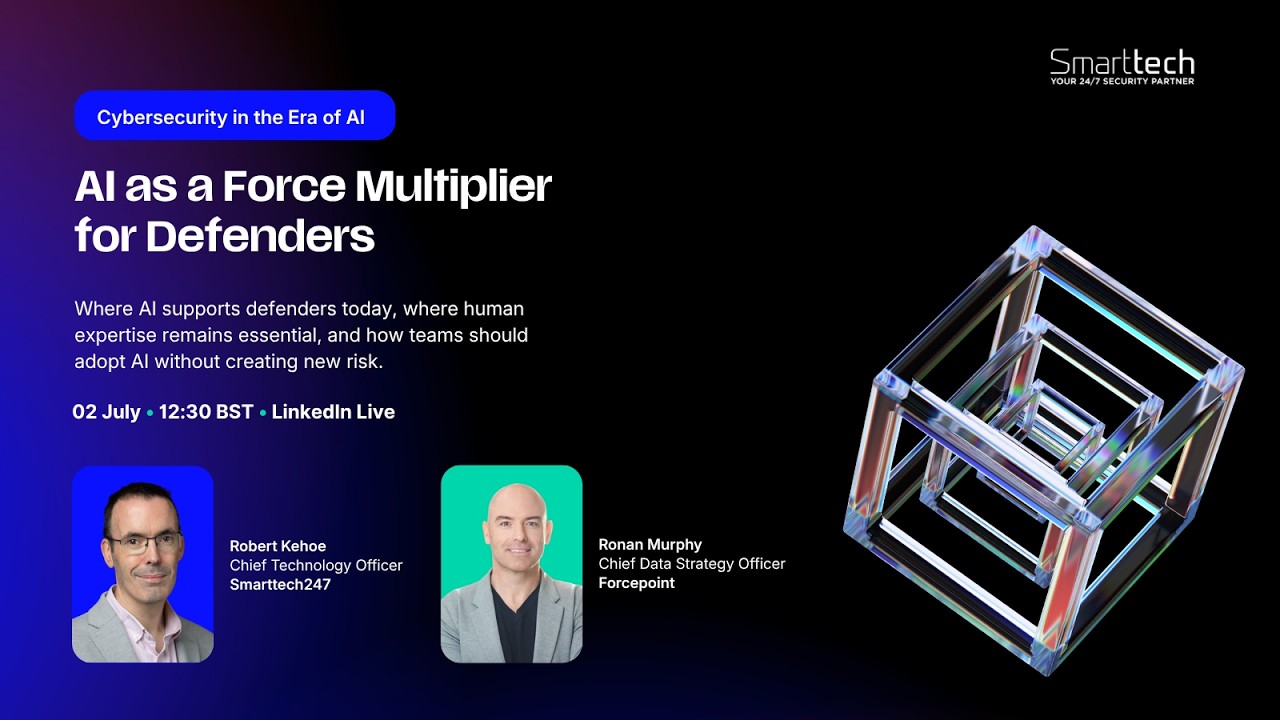
AI as a Force Multiplier for Defenders
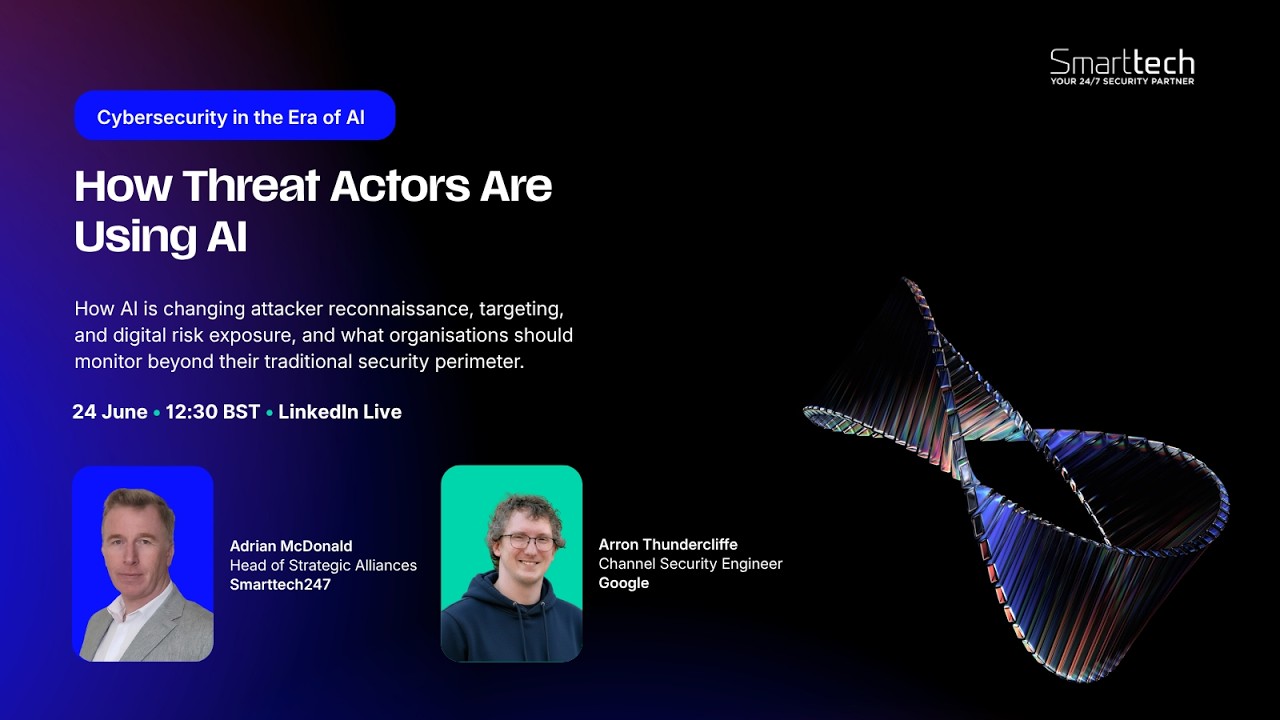
How Threat Actors Are Using AI
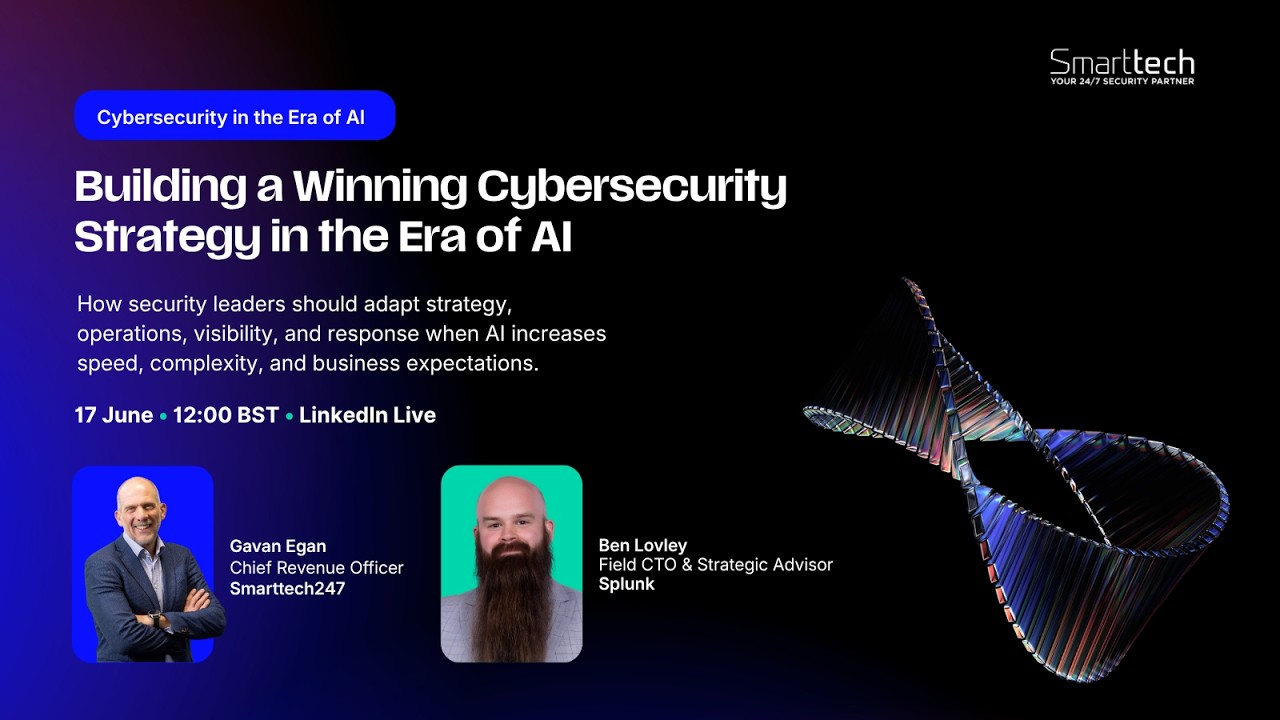
Building a Winning Cybersecurity Strategy
Ready to scale your security and compliance operations?
We protect your on-premise/cloud/OT environments - 24x7x365