

DORA identity security requirements for financial services



External Speakers

Darren Leach

Key Strategic Takeaways
DORA turns operational resilience into a regulatory obligation for financial institutions and their critical third parties. It focuses not just on security controls, but on the ability to keep services running, detect incidents quickly, classify them correctly, and respond within strict reporting timelines.
Identity has become one of the main attack surfaces in financial services. Credential theft, token abuse, and social engineering are driving many of the most damaging incidents. DORA does not always name identity directly, but strong authentication, access control, visibility, and anomaly detection are all essential to meeting its resilience expectations.
DORA pushes responsibility beyond security and infrastructure teams. Legal, operations, senior management, and business stakeholders all need to be involved because incidents are no longer just technical events, they are regulatory events with reporting, governance, and customer impact implications.
Being DORA-ready means more than deploying security tools. Organisations need stronger preventive controls, but also the ability to detect unusual behaviour quickly, investigate suspicious identity activity, and respond through integrated workflows. Prevention without visibility is not enough, and visibility without response is too slow.
DORA’s reporting obligations, including the four-hour window after classification of a major incident, require organisations to tighten their internal processes. They need clear escalation paths, tested incident response plans, and coordination across teams so that classification, response, and regulatory communication happen without delay.
Testing is a core part of DORA readiness. Organisations need to validate authentication flows, incident response plans, and access controls in practice, not just in policy documents. Protecting critical applications through a Zero Trust mindset, with context-aware rules and tighter access controls, is becoming increasingly important.
Many financial organisations have used identity technologies for years, but older deployments may no longer match today’s threat landscape or DORA’s expectations. Readiness depends on reviewing strategy, modernising controls, improving integration with SOC and SIEM workflows, and continuously reassessing whether current processes can withstand targeted attacks.
- 00:00 Introduction to DORA and session overview
- 00:49 What DORA covers and who it applies to
- 01:36 Identity threats and operational resilience risks
- 04:22 What DORA readiness looks like in practice
- 06:26 The four-hour reporting challenge and operational change
- 07:30 Why reporting and resilience now involve the whole business
- 09:25 Identity-driven attacks and why they are increasing
- 10:31 Incident response, detection, and maturity journey
- 11:45 Modernising identity technology and improving visibility
- 12:44 Testing requirements and Zero Trust for critical applications
- 15:28 AI, authentication risk, and evolving identity threats
- 17:41 Final advice for organisations preparing for DORA
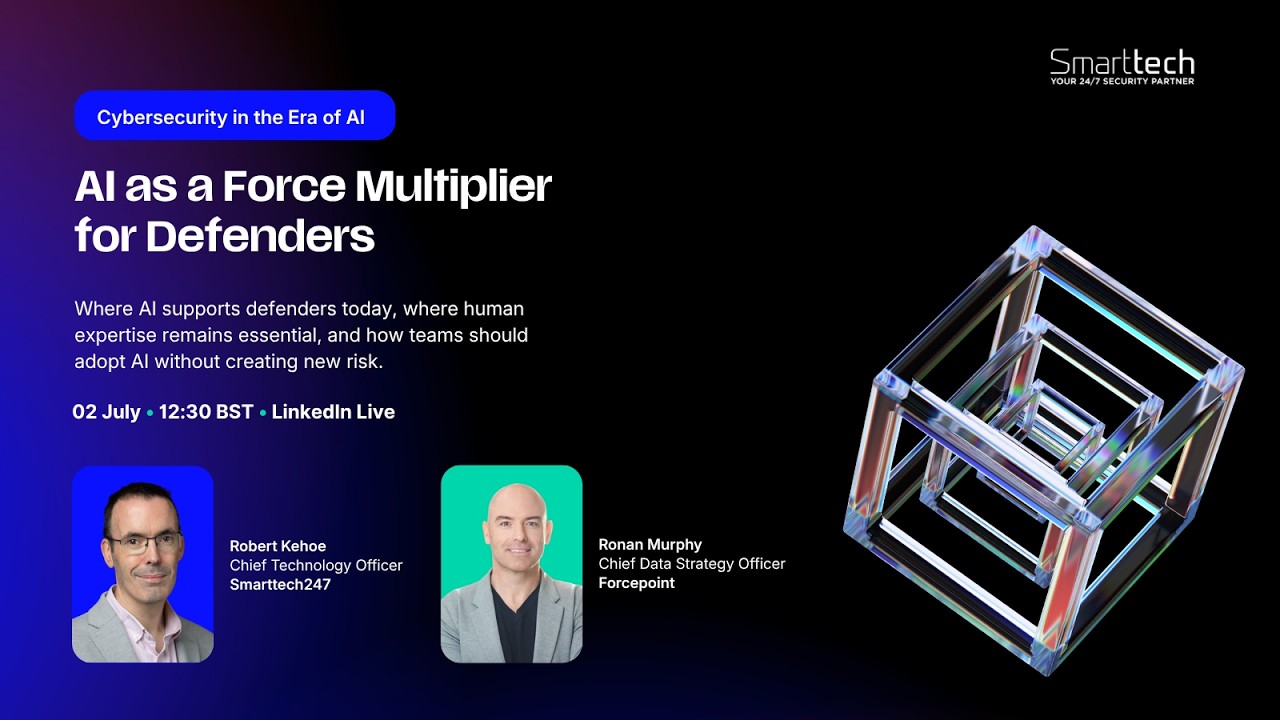
AI as a Force Multiplier for Defenders
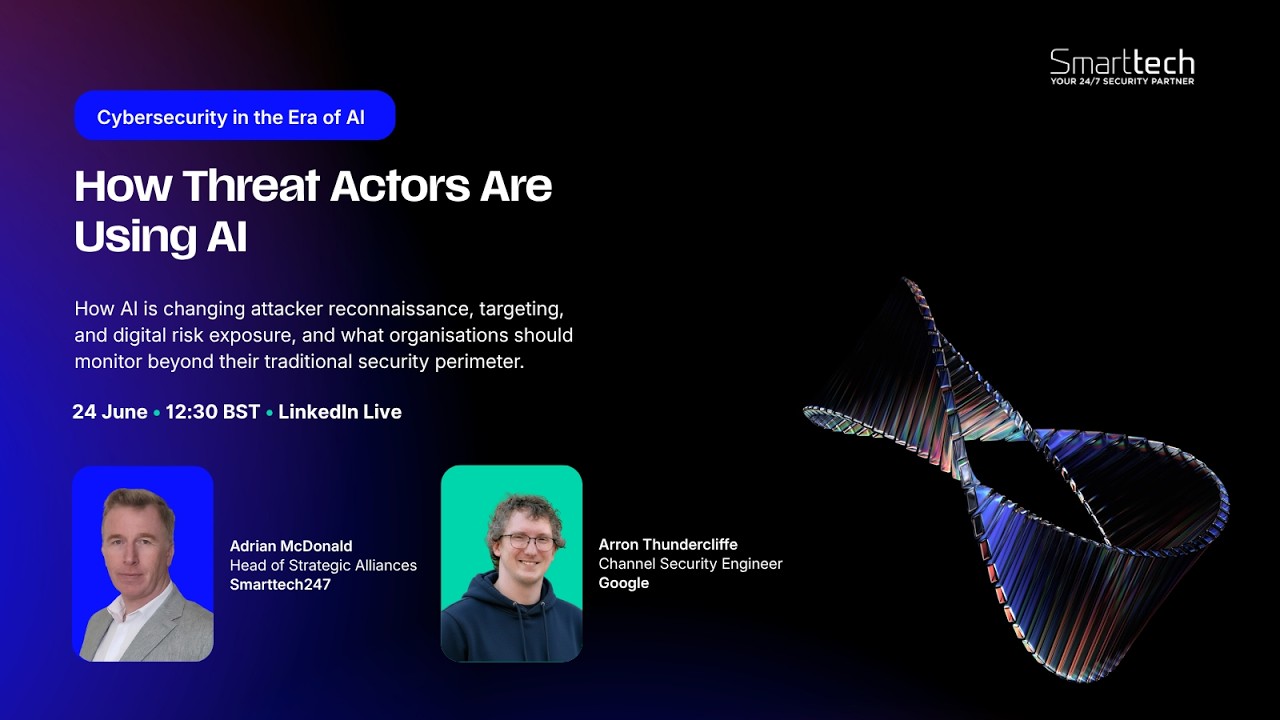
How Threat Actors Are Using AI
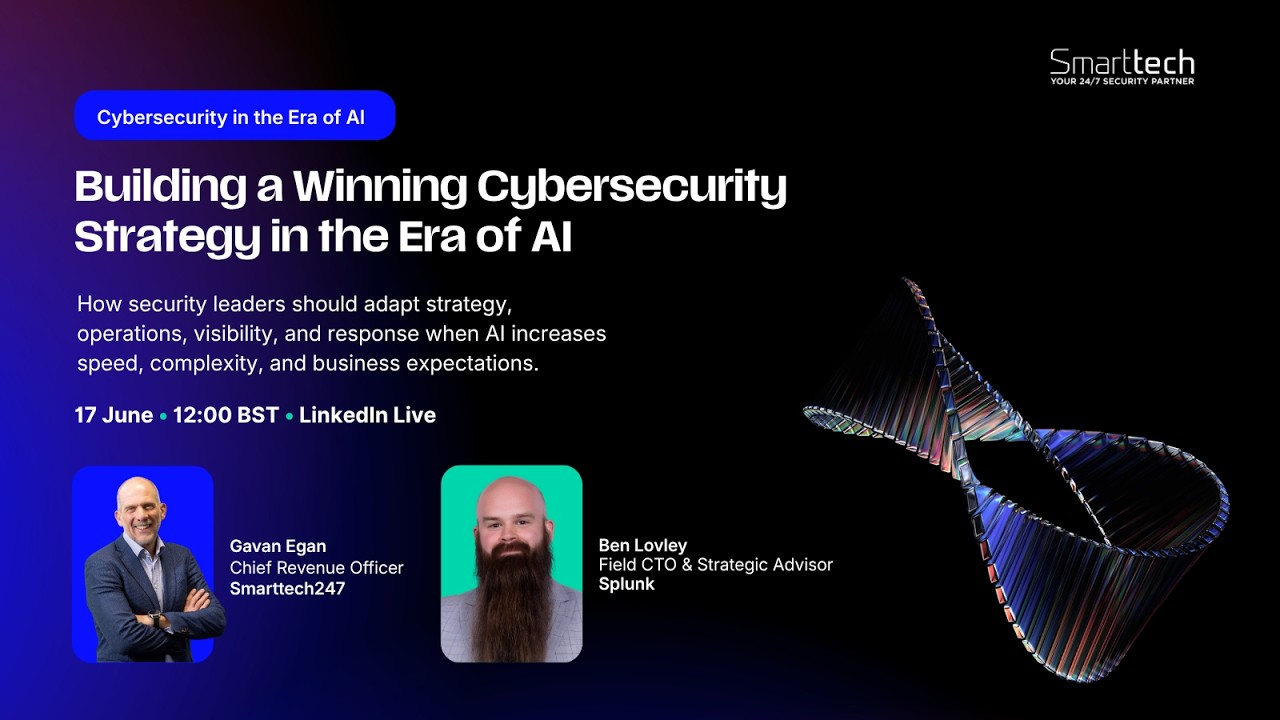
Building a Winning Cybersecurity Strategy
Ready to scale your security and compliance operations?
We protect your on-premise/cloud/OT environments - 24x7x365