

Aligning GRC and Cybersecurity for True Security Impact Webinar



External Speakers

Anthony Lyons


Tim Ayling

Key Strategic Takeaways
GRC focuses on compliance, audit evidence, and regulatory alignment, while security teams focus on real-time threats and operational defence under resource constraints. This creates tension, with one side asking for proof and the other trying to stop active attacks. Alignment starts by recognising both functions are solving the same problem, just from different time horizons.
Both governance and security ultimately care about the same thing: protecting sensitive data. However, organisations have historically secured systems and access paths while underinvesting in visibility and control at the data layer itself. A data-centric approach, knowing what data exists, where it is, and who can access it, creates a shared foundation for both compliance and defence.
Modern attacks increasingly rely on stolen credentials and API exposure rather than traditional exploits. API sprawl has created environments where organisations often cannot fully inventory or control access to sensitive data. Without visibility into identities and APIs, organisations are effectively defending an incomplete attack surface.
When a breach occurs, responsibility is often unclear because governance and security operate in silos. The real issue is not ownership titles but the lack of shared visibility into data access and behaviour. Clear accountability emerges when organisations can produce evidence of what data was exposed, how it was accessed, and what controls were in place.
Ransomware and data exfiltration impact depends on how much sensitive data attackers can reach after compromise. Without understanding data distribution and permissions, organisations cannot contain incidents or meet reporting obligations. Combining data discovery, classification, and access analysis, often supported by targeted AI models, enables faster containment and more accurate response.
- 00:01 Introduction to GRC, data security, and key industry challenges
- 02:18 Rising threats: ransomware, APIs, bots, and lack of visibility into data
- 03:48 Imperva overview: protecting data from edge to database layer
- 05:49 Getvisibility overview: AI-driven data discovery and access visibility
- 07:06 Misalignment between GRC and security teams in organisations
- 12:16 API sprawl and unknown attack surface as a growing risk
- 14:49 Ownership problem: who is accountable when data is breached
- 16:28 Real-world issue: thousands of unknown APIs discovered in organisations
- 18:25 Can the problem be solved? AI as the only scalable approach
- 25:02 Data-centric security: understanding data, access, and blast radius
- 30:46 Database security: analytics, anomaly detection, and compliance reporting
- 37:41 Insider threats and failures in data access control (Snowden example)
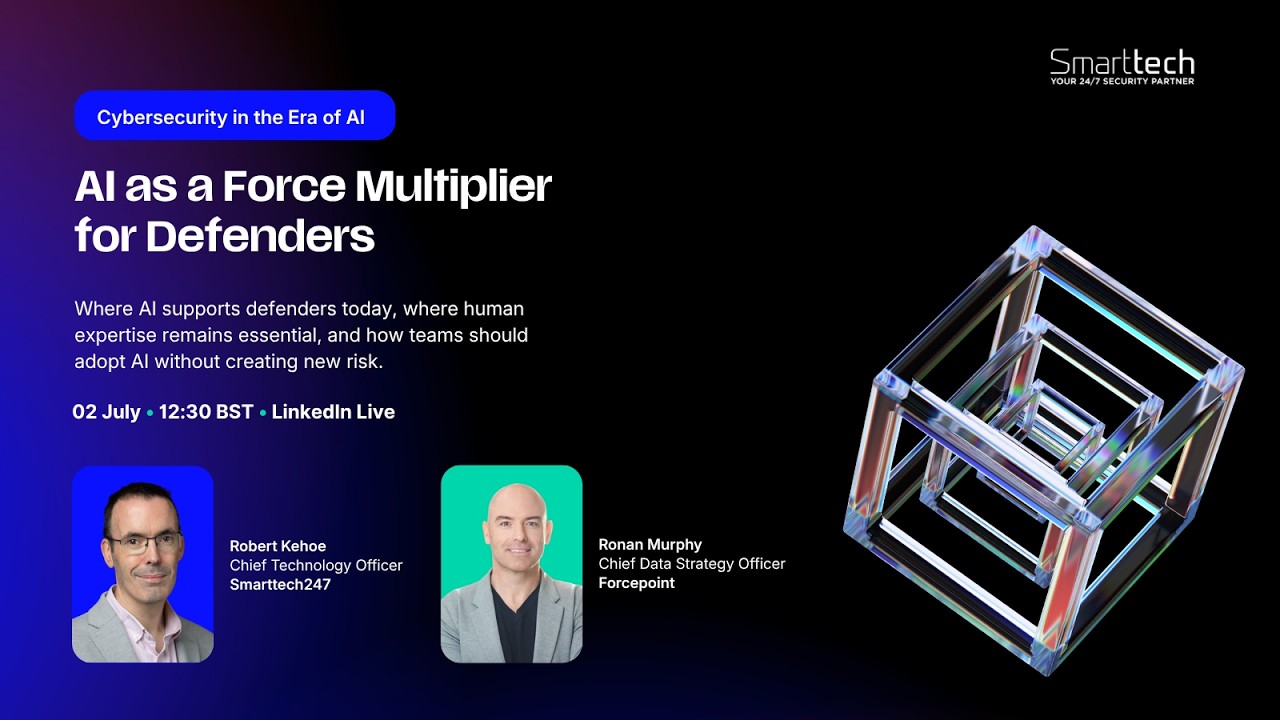
AI as a Force Multiplier for Defenders
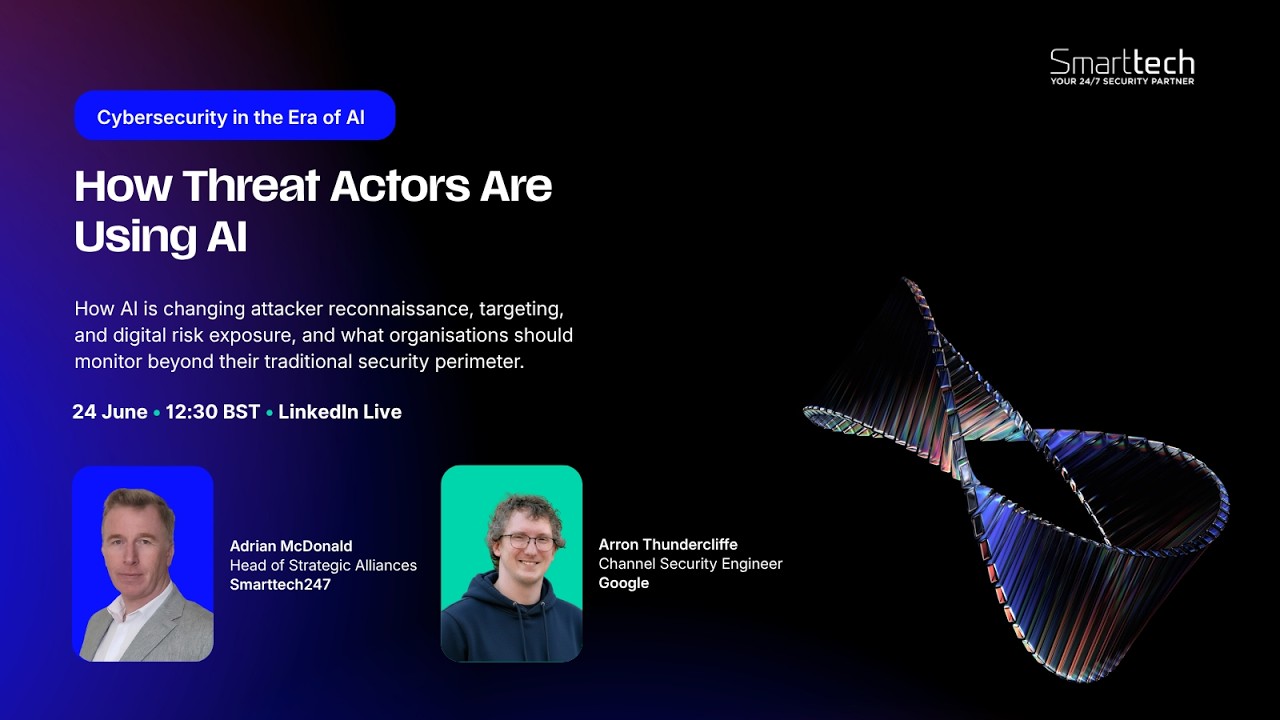
How Threat Actors Are Using AI
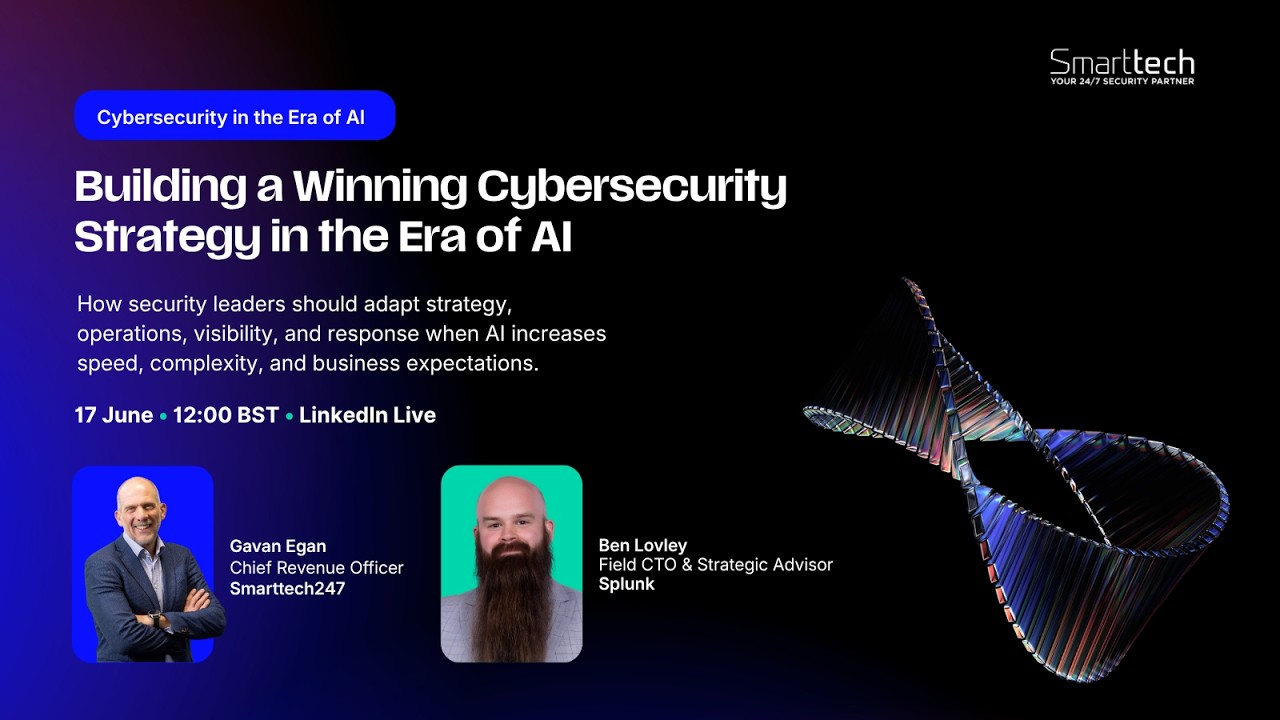
Building a Winning Cybersecurity Strategy
Ready to scale your security and compliance operations?
We protect your on-premise/cloud/OT environments - 24x7x365