

A Guide for Public Companies on SEC Cybersecurity Webinar


.png)
External Speakers

Brian Johnson


James McCarthy
.png)

Mark Brosnan

Key Strategic Takeaways
SEC rules force public companies to treat cybersecurity as a material business risk, requiring formal disclosures on how risks are identified, managed, and governed. Incidents must be assessed quickly for material impact and communicated without exposing sensitive details. Security is no longer just about protection, it’s about being able to explain risk clearly and defensibly to regulators and investors.
Meeting SEC expectations demands coordination between security, legal, executive leadership, and the board. CISOs must provide evidence of program effectiveness, legal teams determine materiality and shape disclosures, and boards must demonstrate informed oversight. Cybersecurity becomes an ongoing executive process, not a siloed technical function.
When incidents occur, leadership needs immediate answers: what data was affected, where it lived, and what the business impact is. Most organisations struggle because data is fragmented across cloud, SaaS, endpoints, and third-party environments. Without clear data mapping and ownership, disclosure becomes guesswork, increasing regulatory and reputational risk.
Data Security Posture Management provides continuous visibility into sensitive data, allowing organisations to understand risk before incidents occur. It shifts security from reactive investigation to proactive control, preventing unsafe data exposure and enabling faster, more accurate responses. This creates a defensible “source of truth” that supports both operational security and regulatory reporting.
Organisations must be ready to communicate transparently and consistently under pressure, with pre-defined incident response plans that include legal, PR, and leadership. Delayed or inconsistent disclosures can damage trust more than the incident itself. Being “SEC-ready” means rehearsing scenarios, aligning messaging, and ensuring disclosures are backed by real evidence, not assumptions.
- 00:04 Welcome and overview of SEC cybersecurity disclosure rules
- 00:25 Why these rules create pressure for public companies and incident timelines
- 01:29 Panel introductions and focus on governance, data, and security posture
- 03:13 Board responsibilities and need for cyber understanding at leadership level
- 06:44 Challenges boards face with reporting, ambiguity, and data complexity
- 09:18 Vendor responsibility to translate cyber into business outcomes
- 13:23 Operational reality: incident response, compliance burden, and reporting timelines
- 17:16 Shift from reactive security to posture management, especially for data
- 21:20 DSPM explained as a proactive approach to managing data risk
- 27:54 Importance of data inventory, ownership, and controls for disclosure accuracy
- 31:18 Aligning board, legal, PR, and security for transparent incident communication
- 45:26 Role of AI in accelerating data security posture and reducing implementation timelines
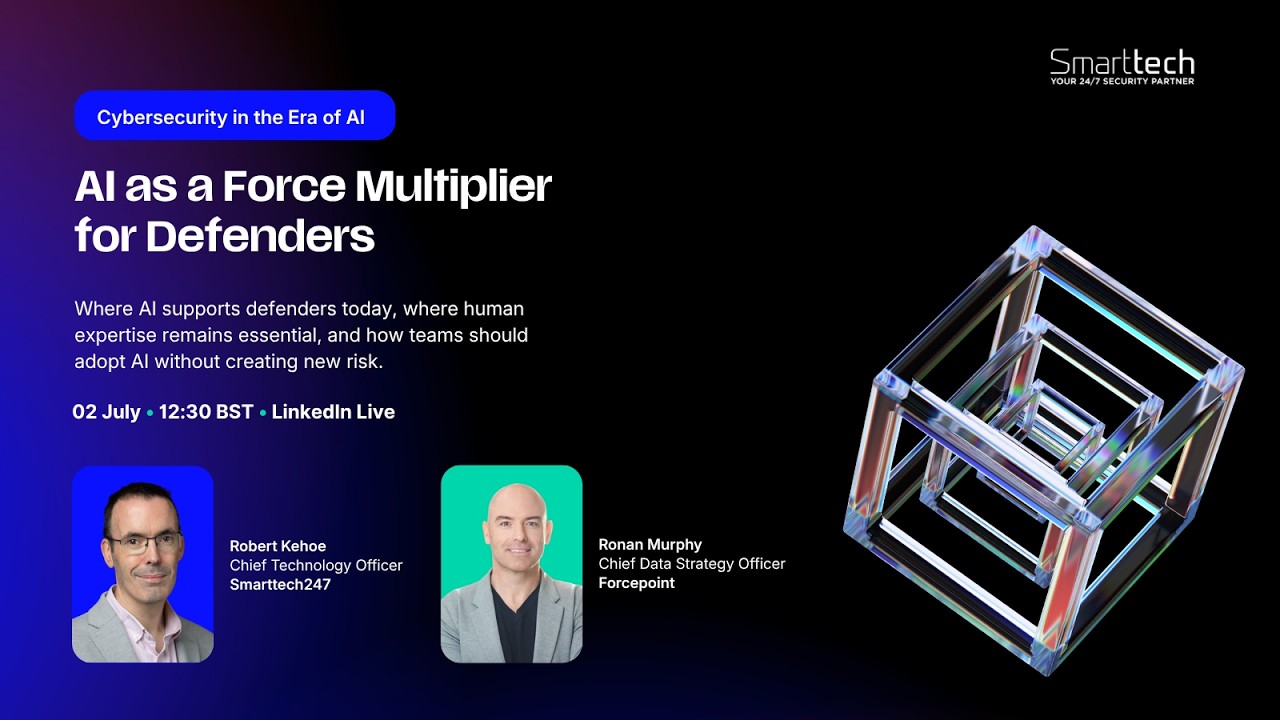
AI as a Force Multiplier for Defenders
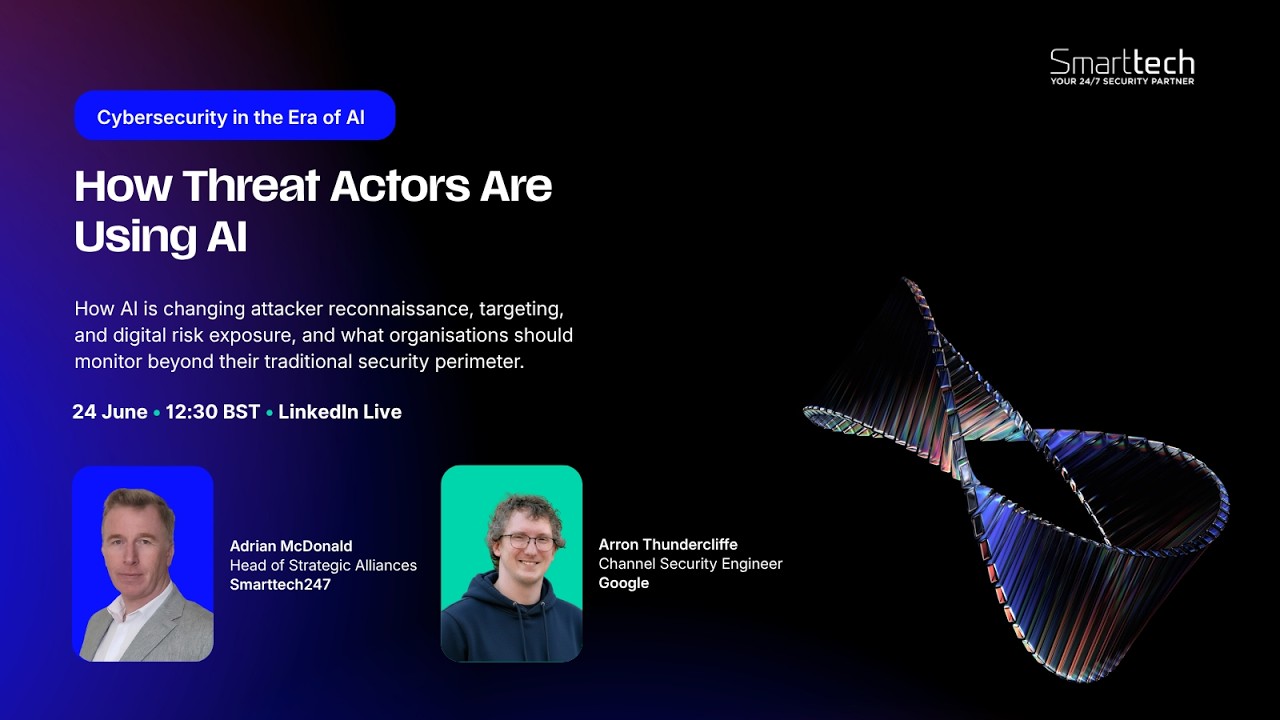
How Threat Actors Are Using AI
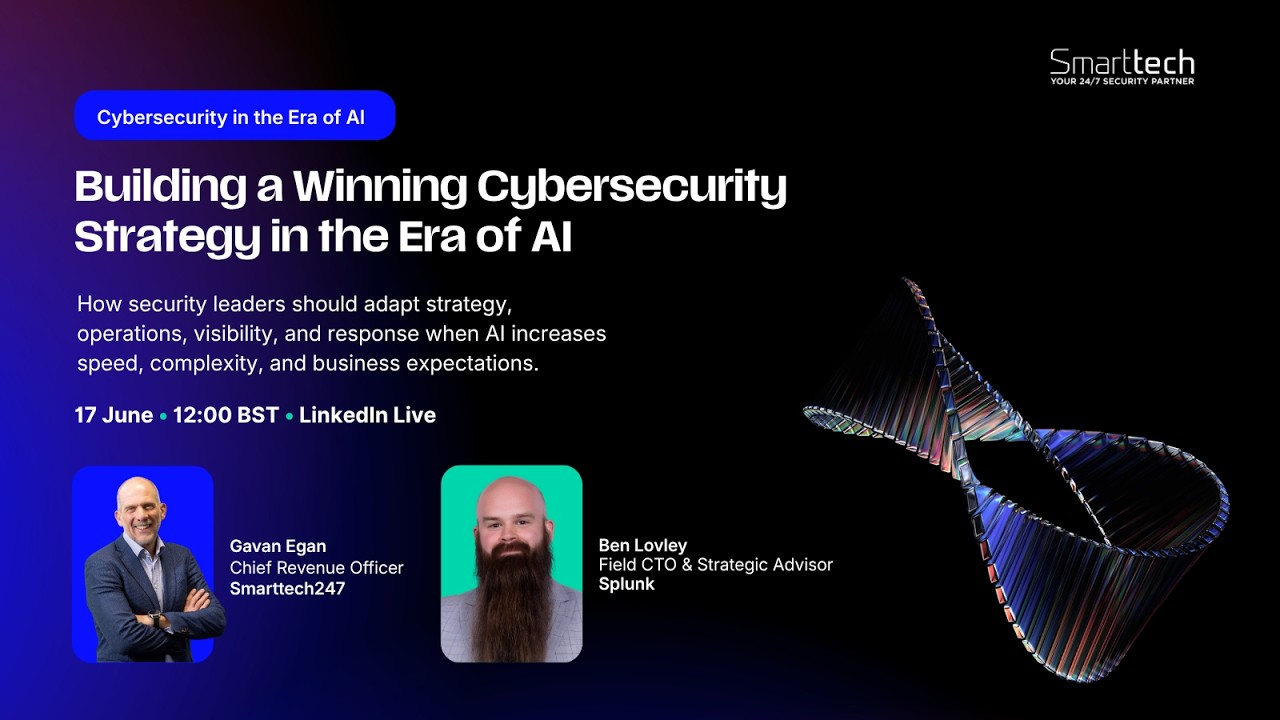
Building a Winning Cybersecurity Strategy
Ready to scale your security and compliance operations?
We protect your on-premise/cloud/OT environments - 24x7x365